Trump’s Iran Standoff: Talks Collapse Amidst Threats
U.S.-Iran talks have collapsed amid a continued naval blockade, with Iran refusing to negotiate under threat. President Trump expects renewed conflict, while Iran warns of retaliation. Conflicting reports and aggressive rhetoric create a volatile situation with global implications.

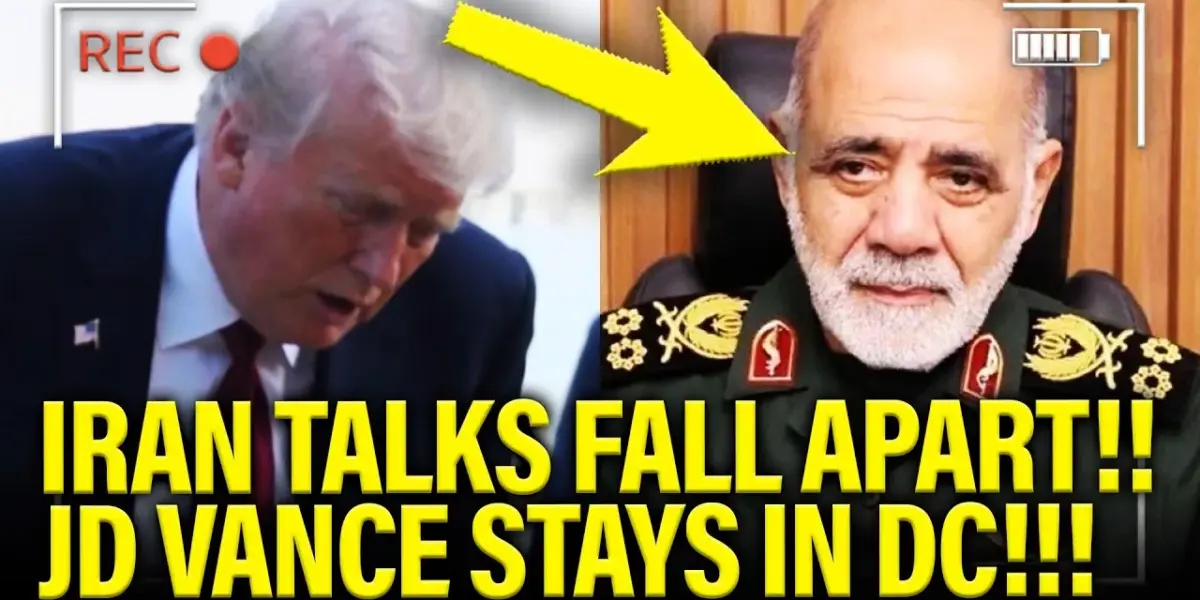
Trump’s Iran Standoff: Talks Collapse Amidst Threats
Negotiations between the United States and Iran have broken down, casting a shadow over the expiring ceasefire. The second round of discussions, expected in Islamabad, never truly began. This failure comes as the U.S. continues its naval blockade in the Persian Gulf, a move Iran states makes talks impossible.
Iran has declared it will not negotiate while under threat and facing a U.S. naval blockade. They point to continued threats against their infrastructure and a perceived inconsistency in U.S. demands. Meanwhile, President Trump has publicly stated his expectation of renewed conflict, suggesting bombs could drop soon and the ceasefire will end.
Stalled Diplomacy and Rising Tensions
A social media account linked to Iran’s parliament leader stated, “As long as the naval blockade continues, negotiations with the United States will effectively remain stalled.” This sentiment is amplified by Iran’s view that U.S. actions, such as boarding an Iranian-backed ship during the supposed negotiation period, are not conducive to productive talks.
Strategic assessments from Iran suggest the ceasefire’s end is imminent. They anticipate a U.S. strike before the deadline and warn of “unlimited retaliation” in response. Iran believes the U.S. faces significant challenges in a renewed conflict and that it would move them further from their goals.
Questions Surround U.S. Negotiating Efforts
Reports indicate the U.S. has been attempting to pressure Pakistan to mediate and extend the ceasefire by a week. However, there is little sign in Iran that a stable agreement with the U.S. is achievable under current conditions. Iranian state media has also questioned the credibility of U.S. reports regarding its own negotiating team.
For instance, U.S. media reported that JD Vance, identified as Trump’s vice president, was en route to Pakistan for talks. Yet, Iranian media notes that Vance had not even departed the U.S. days later, suggesting a disconnect between U.S. public statements and actual diplomatic movements.
Iran’s Readiness and U.S. Rhetoric
Major General Abu Dali of the Iranian Revolutionary Guard has stated that Iran is prepared for a “strong and final response” if the U.S. attacks again. This readiness comes amidst what the transcript describes as “delusional” and “psychotic” statements from President Trump.
In a CNBC interview, Trump expressed his expectation of bombing Iran and his refusal to extend the ceasefire. He also mentioned intercepting a ship with “things on it that weren’t very nice,” possibly a gift from China. Trump claimed Iran told him they “totally won the war,” a statement the transcript’s author found indicative of delusion.
The author argues that Trump’s approach to negotiation is “pathetic” and “weak,” suggesting it signals fear to Iran and makes productive talks more difficult. The transcript criticizes Trump’s rhetoric, comparing it to historical authoritarian behavior.
Historical Comparisons and International Order
The transcript draws parallels between Trump’s statements and those of historical figures, questioning his claims of easily winning wars like Vietnam, a conflict he did not serve in. It also criticizes his boast about taking over Venezuela in 45 minutes, arguing that such displays of power undermine international order and can encourage aggression from other nations towards their neighbors, like China towards Taiwan or Russia towards its neighbors.
The author suggests that bragging about military might without regard for established international norms makes the U.S. appear weak and increases the likelihood of wider conflict. This contrasts with a desire for a stable international order where power does not automatically justify domination.
Alliances and Financial Considerations
Trump has also reportedly suggested that Middle Eastern allies are superior to NATO allies. There is consideration of potential currency swaps or bailouts for the United Arab Emirates, a move criticized in the transcript given domestic economic concerns in the U.S.
The transcript questions why the U.S. would consider bailing out Middle Eastern nations while Americans struggle with healthcare costs and housing affordability. This is framed as a misplaced priority under Trump’s leadership.
Propaganda and Conflicting Reports
The transcript criticizes the nature of interviews and reports, labeling them as “ridiculous propaganda” and “market manipulation.” It highlights conflicting information regarding diplomatic efforts, such as the status of Iranian delegations traveling to Pakistan for talks.
While some reports suggest U.S. delegations have arrived, Iranian officials deny any such delegation has traveled for negotiations, calling such reports “baseless and fabricated.” This creates a murky information environment where discerning the truth about the diplomatic situation becomes challenging.
Evasion of Blockade and Information Warfare
Despite U.S. claims of stopping numerous Iranian ships, reports from sources like Tankertrackers.com suggest that Iranian oil tankers have successfully evaded the blockade. This indicates that the U.S. blockade may not be fully effective in cutting off Iran’s oil exports.
The transcript also points to Trump’s social media posts, which accuse Iran of violating the ceasefire and attack political opponents and media outlets. These posts, along with statements from figures like Pope Leo XIV calling for respect for institutions and international agreements, add to the complex and often contradictory narrative surrounding the U.S.-Iran standoff.
Why This Matters
The breakdown of talks and continued threats between the U.S. and Iran carry significant weight. It risks a return to open conflict in a volatile region, potentially impacting global energy markets and regional stability. The unclear diplomatic path and reliance on aggressive rhetoric instead of sustained negotiation create an environment of heightened risk.
This situation highlights the challenges of international diplomacy when communication is fraught with threats and contradictory signals. The effectiveness of sanctions and blockades, as well as the broader implications for global power dynamics, are brought into sharp focus. The world watches to see if a diplomatic resolution can be found before tensions escalate further.
Future Outlook
The immediate future points towards continued uncertainty. The expiring ceasefire deadline is a critical juncture. Iran’s decision on whether to engage in talks before this deadline, especially given the ongoing U.S. actions and rhetoric, will be crucial.
Without a clear de-escalation and a consistent diplomatic approach, the situation risks further deterioration. The reliance on forceful language and actions over genuine negotiation suggests a difficult path ahead for achieving lasting peace and stability in the region.
Source: Trump PANICS as Iran TALKS FAIL!!! (YouTube)

Related Articles

Iran Hides Missiles as War Clouds Gather
As a ceasefire nears its end, Iran is reportedly moving its ballistic missiles to hidden locations, signaling potential preparations for renewed conflict. The U.S. military stands ready to resume bombing campaigns if necessary, while diplomatic efforts face uncertainty with Iran's response to peace talks still pending. China's alleged involvement in supplying missile parts adds another layer of complexity to the volatile situation.
MAGA Stars Flee Trump: A Calculated Exit, Not a Moral Awakening
Prominent MAGA figures like Tucker Carlson and Megyn Kelly are distancing themselves from Donald Trump, but critics argue this is a calculated move, not a moral awakening. Leaked texts and past statements cast doubt on their sincerity, suggesting a shift driven by political expediency rather than principle. The debate questions whether these figures can ever be trusted allies.
Iran Deal: Trump’s ‘Lipstick on a Pig’ Threatens Global Stability
Former diplomat Alan warns that any Iran deal brokered by Donald Trump could be a 'lipstick on a pig' scenario, potentially worse than past agreements. The conflict has disrupted global systems, creating a new, less stable reality with no easy military solutions. Both sides face internal pressures, complicating negotiations and increasing the risk of further escalation.