Trump’s Iran Claims Under Scrutiny After False Statements
MSNBC anchor Stephanie Ruhle has called attention to several untrue statements made by President Trump regarding Iran over the past week. Ruhle's report fact-checked the President's claims, highlighting discrepancies and questioning the accuracy of information presented on a critical international issue. The segment stressed the importance of reliable information for public trust and informed decision-making.

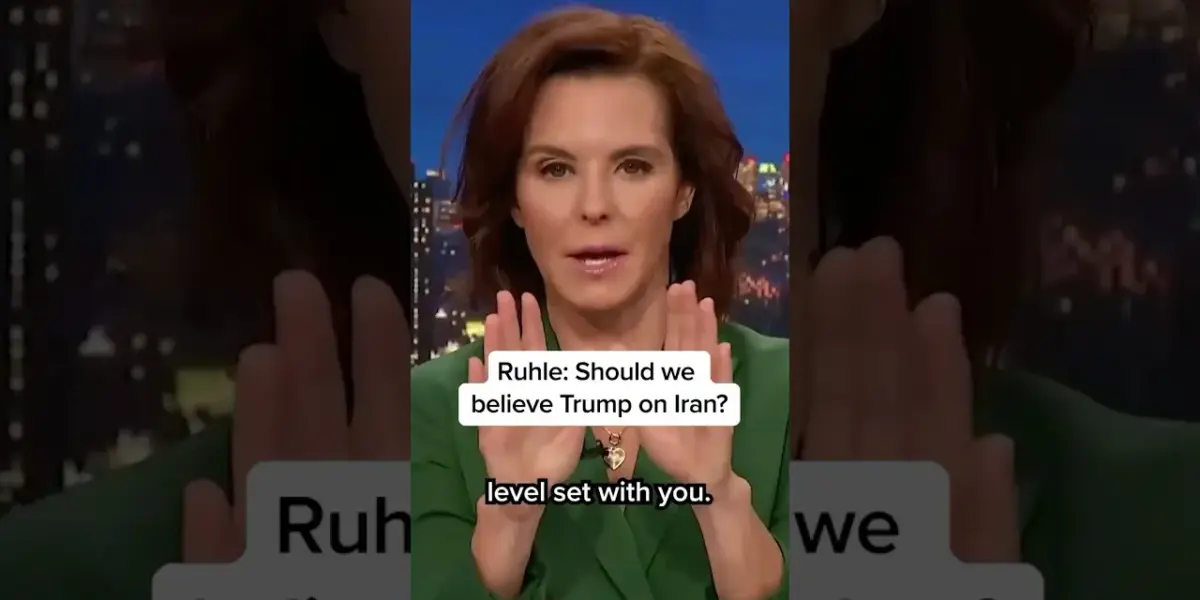
Ruhle Questions Trump’s Iran Narrative Amidst Fact Checks
MSNBC anchor Stephanie Ruhle is raising serious questions about President Donald Trump’s recent statements regarding Iran. In the past week, Ruhle highlighted several claims made by the President that have been found to be untrue. These discrepancies cast doubt on the information being presented to the public about a critical international issue.
The focus of Ruhle’s segment was on specific instances where Trump’s remarks about Iran did not align with established facts. This critical examination comes at a time when tensions between the U.S. and Iran remain high, making accurate information crucial for public understanding.
Dissecting Trump’s Statements on Iran
Ruhle presented a series of statements made by President Trump concerning Iran over the last seven days. Each statement was then fact-checked, revealing significant inaccuracies. For example, one claim involved the timing of certain military actions, which Ruhle demonstrated was factually incorrect based on available records.
Another point of contention was Trump’s description of Iran’s capabilities and intentions. Ruhle’s reporting suggested that the President’s characterization was misleading, potentially creating a false impression of the situation on the ground. This kind of misrepresentation can have serious consequences for public perception and policy decisions.
Specific Claims Examined
During her report, Ruhle specifically addressed statements made by the President regarding intelligence assessments and the rationale behind U.S. policy. She presented evidence that contradicted these claims, showing a pattern of exaggeration or outright falsehoods.
The goal was not simply to point out errors but to understand why these inaccurate statements are being made and what impact they have. Ruhle emphasized the importance of trusting the information provided by government officials, especially on matters of national security.
The Importance of Accurate Information
Ruhle stressed that when leaders make false statements, especially about foreign policy and potential conflicts, it erodes public trust. Citizens need reliable information to form their own opinions and to hold their elected officials accountable. The situation with Iran is complex, and clear, factual communication is essential.
She argued that the public deserves to know the truth, particularly when national security is involved. Misinformation, intentional or not, can lead to poor decision-making and increased public anxiety. Ruhle’s segment served as a call for greater transparency and honesty from the highest levels of government.
Broader Implications for Public Trust
The repeated instances of inaccurate statements, as highlighted by Ruhle, can have a chilling effect on public discourse. When the President himself is a source of misinformation, it becomes difficult for people to discern truth from fiction. This is especially dangerous in the context of international relations, where misunderstandings can have severe consequences.
Ruhle’s report is a reminder that critical thinking and fact-checking are vital tools for citizens. It encourages viewers to question what they hear and to seek out reliable sources of information. Holding leaders accountable for their words is a fundamental part of a healthy democracy.
Looking Ahead
As the situation with Iran continues to develop, the public will be looking for clear and accurate reporting. The pattern of questionable statements from the President demands continued scrutiny from journalists and citizens alike. Future reports will likely focus on whether this pattern of inaccuracy persists and how it impacts U.S. foreign policy decisions moving forward.
Source: Ruhle: Should we believe Trump on Iran? (YouTube)

Related Articles
Iran Talks Stall as US Vice President Awaits Flight
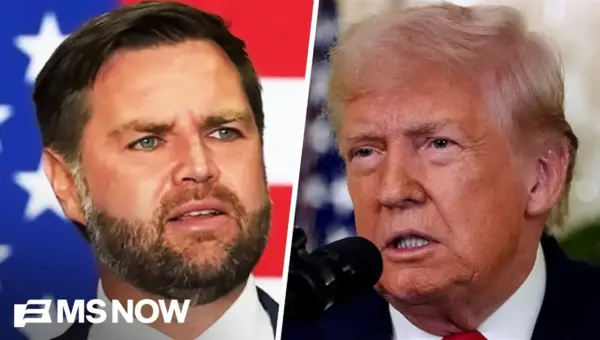
US-Iran diplomatic talks are stalled, with Iran reportedly refusing U.S. proposals related to its nuclear program. Experts suggest Iran is strategically leveraging the situation, believing its 'clock' ticks slower than the U.S. The standoff raises questions about the effectiveness of U.S. strategy amidst rising defense spending.
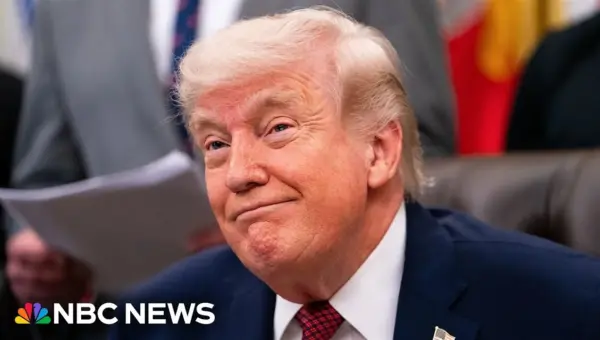
President Trump Celebrates NCAA Champions at White House
President Donald Trump hosted seven NCAA championship-winning teams at the White House, celebrating their athletic achievements and discipline. The event also served as a platform for the President to discuss his administration's reforms aimed at protecting college sports, including measures on eligibility and athlete competition.

Trump’s Cabinet Woes: FBI Director Sued, Labor Secretary Resigns
FBI Director Cash App P. Patel is suing The Atlantic over misconduct allegations, while Labor Secretary Lorie Chavez-DeRemer has resigned amid an investigation. Meanwhile, Robert F. Kennedy Jr. faces backlash for controversial remarks about Black children, and Donald Trump's claims of winning a war are questioned by lawmakers.