Memo Reveals Secret Push for UFO Czar in Trump White House
A leaked memo from Luis Elizondo to President Trump reveals a proposal for a White House 'UFO Czar' to manage emerging technologies and UAP. The document highlights concerns over drones and the need for better government coordination. Despite bureaucratic hurdles, some within the government are reportedly taking these issues seriously.

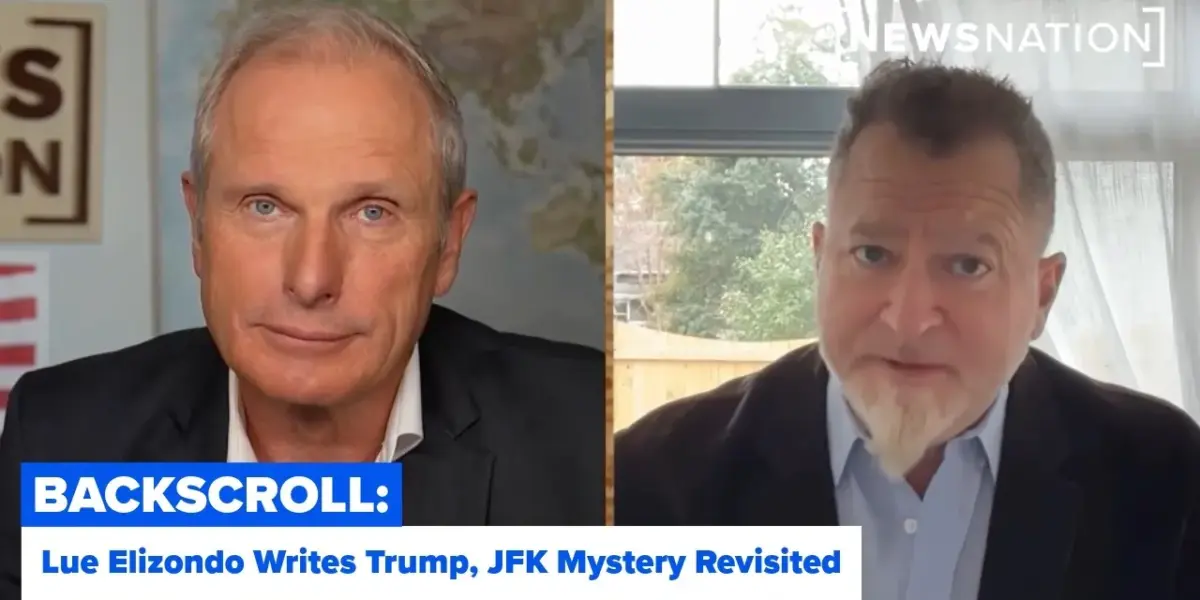
Memo Reveals Secret Push for UFO Czar in Trump White House
A recently surfaced memo, written by former Pentagon official Luis Elizondo to then-President Donald Trump, reveals a significant effort to establish a dedicated White House role focused on unidentified anomalous phenomena (UAP) and other advanced technologies. The document, titled “Prioritizing Emerging All Domain Technologies,” argues for the creation of a senior advisor, or “ZAR,” within the National Security Council. This role would be tasked with coordinating the U.S. government’s response, developing policy, and managing international outreach regarding these complex issues.
Elizondo, who previously worked on advanced aerospace threat identification programs, uses the term “Emerging All Domain Technologies” (EADT) in the memo. This broad category includes not only UAP but also advanced unmanned aerial systems (UAS) and other sophisticated systems.
These technologies operate across air, space, and sea, and are capable of intelligence gathering, surveillance, reconnaissance, and even kinetic strikes. The memo emphasizes that these technologies represent a fundamental shift in military and intelligence capabilities, posing potential risks if they fall into the wrong hands.
Drones and UAP: A Combined Threat
The memo highlights the growing concern over drones, noting that their prevalence on the battlefield is causing more casualties than traditional infantry and artillery. Elizondo points out that this technology is becoming widely accessible, even being used for illicit purposes like disrupting prison security. He argues that the government still lacks effective countermeasures against these unmanned systems, despite efforts to prevent such disruptions.
The memo criticizes the government’s handling of the UAP issue, stating that while the U.S. stigmatizes discussion, adversaries are actively pursuing this technology. Elizondo asserts that UAP can no longer be easily distinguished from UAS and other EADT, which hinders the nation’s ability to monitor and respond to threats. He also criticizes the Pentagon’s All-domain Anomaly Resolution Office (AARO) as being bogged down by bureaucracy and unable to effectively meet its mission.
Recommendations for Action
Elizondo’s memo lays out several key recommendations for the President. These include directing a national intelligence estimate on EADT, including UAP, and granting the President access to all related classified information.
The memo also suggests advising the President on declassifying UAP records and leading efforts for responsible transparency. A crucial recommendation is the enforcement of a 25-year mandatory declassification rule for UAP information, with exceptions only granted by the President on a case-by-case basis.
The memo advocates for accelerating research into advanced propulsion and technologies by engaging academic and scientific communities. It concludes by stating that many in Congress and former colleagues believe the Trump administration represents a unique opportunity for significant progress in EADT. The memo emphasizes that America can and deserves to know the truth about these emerging technologies.
The Memo’s Impact and Government Response
During an interview, Elizondo confirmed that the memo was sent to the Trump administration. While he could not confirm if the President himself read it, he expressed hope that someone in a position of authority reviewed it. Elizondo stressed the importance of establishing a single point of contact for the President and the National Security Council to address these issues efficiently.
He further elaborated on the issue of drones, citing a recent statistic that they have caused more casualties than combined infantry and artillery in the Ukraine conflict. This statistic highlights the rapidly evolving nature of warfare and the pervasive threat posed by accessible advanced technologies. The memo’s foresight is evident, as it warned of the growing drone issue that continues to be a significant concern.
Bureaucratic Challenges and the Need for Clarity
The interview also touched upon a confusing statement from a White House spokesperson regarding drones over New Jersey, which claimed they were FAA-authorized. Elizondo clarified that this information was inaccurate, as Senator Cory Booker was directly told by the FAA that the drones were not authorized. This incident highlights a broader problem within the U.S. government: a lack of efficient communication between different agencies and branches.
This bureaucratic dysfunction can lead to contradictory information being presented to the public. Elizondo emphasized that leaders cannot make informed decisions without all the facts.
He suggested that a dedicated senior advisor role would help cut through red tape, providing quick and accurate information to the President when emerging threats are detected. He drew a parallel to the intelligence failures before 9/11, where fragmented information prevented a complete picture of threats from forming.
Hope Amidst Secrecy
Despite the apparent lack of public action, Elizondo indicated that there are individuals within agencies like the FBI and the Director of National Intelligence who are taking the UAP and drone issues seriously. He described their approach as measured and thorough, though he acknowledged that the public may perceive a lack of transparency as inaction. He expressed confidence in these behind-the-scenes efforts but noted that solving these complex problems will take time and sustained focus.
Elizondo suggested establishing a national intelligence estimate and a yearly strategy to address gaps in understanding what is happening in the skies. This would help focus government efforts on plugging those holes and developing a clearer picture of aerial threats. He believes that creating a dedicated senior individual responsible for these issues would significantly improve the government’s ability to respond effectively.
Task Forces vs. Enduring Solutions
The discussion also addressed recent government initiatives like the Joint Interagency Task Force 401, which focuses on counter-small UAS capabilities. Elizondo argued that such task forces are temporary by design and lack the seniority needed for an enduring threat. He believes a more permanent and senior-level position is required to tackle the evolving challenges posed by drones, AI, swarm technology, and weaponized aerial systems.
He stressed that drones are often a symptom of a larger issue: a fundamental lack of comprehensive awareness of what is in our skies. Solving the drone problem, he argued, requires first addressing the broader challenge of maintaining persistent surveillance and understanding. Elizondo noted that even unsophisticated threats like balloons, alongside drones and UAP, continue to pose risks, with consistent reports of incursions over sensitive military sites in the U.S. and Europe where authorities struggle to track or detect the objects.
The Disclosure Dilemma
Regarding the possibility of disclosure, Elizondo acknowledged that President Trump has received briefings and has sometimes expressed interest in the topic. However, he also pointed out the significant risks involved.
Revealing information prematurely, especially if it later turns out to be related to foreign adversarial technology, could discredit the administration and undermine efforts. Presidents must carefully weigh the pros and cons of public statements on such sensitive matters.
Elizondo refrained from commenting on specific claims about Trump being briefed on non-human intelligence, stating that he cannot speak for the President. He also discussed the role of figures like Senator Marco Rubio, suggesting that individuals in high-level national security positions would likely be briefed on significant UAP-related programs. However, he noted that such officials must align their public statements with the President’s directives and may choose to keep sensitive information confidential until a clear administration stance is established.
The conversation concluded by highlighting the ongoing challenges in understanding and addressing aerial phenomena. While there are indications of serious work being done behind the scenes, the public remains largely unaware of the full scope of the issue. The memo’s existence highlights a persistent, high-level concern about emerging technologies and unexplained aerial events that continues to shape national security discussions.
Source: Reality Check: Lue Elizondo Writes Trump, JFK Mystery Revisited | Backscroll (YouTube)

Related Articles


Trump Administration Sees String of Departures Amid Scandals
The Trump administration is grappling with a wave of high-profile departures, fueled by allegations of misconduct, mismanagement, and ethical breaches. Key figures from Homeland Security, Labor, and the FBI have exited amid controversies ranging from luxury jet procurements to accusations of personal impropriety and conflicts of interest. Meanwhile, plans for new detention facilities face strong local and legal opposition.

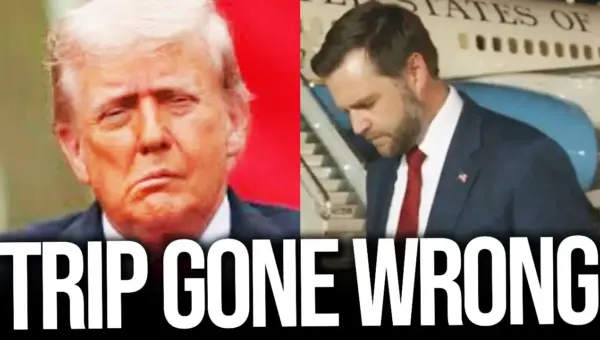
Trump’s Iran Diplomacy Falters as Vance Faces Setbacks
Vice President JD Vance's planned trip to Pakistan for Iran negotiations has been postponed amid confusion and conflicting reports. This setback highlights challenges in the Trump administration's foreign policy and internal political dynamics.
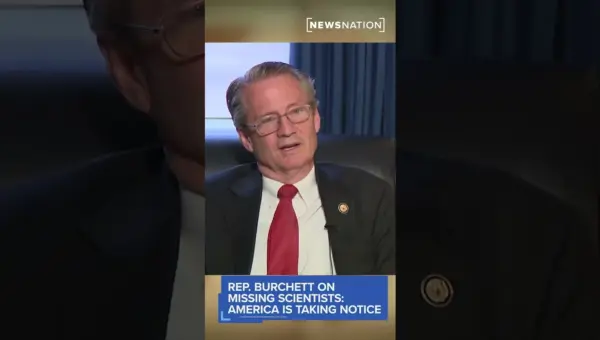
Missing Scientists Spark National Concern Over Secrets
The unexplained disappearances of scientists with high-level clearances are drawing national attention. Representative Tim Burchett notes that the public is finally noticing these concerning patterns. The secrecy surrounding their work makes the situation even more complex.