Trump Demands Fed Rate Cuts: A Challenge to Independence
President Trump has publicly urged his nominee for Fed chair, Kevin Warsh, to cut interest rates immediately upon taking office. This intervention challenges the Federal Reserve's independence, a cornerstone of its economic stability. The situation is further complicated by investigations into Fed building costs.

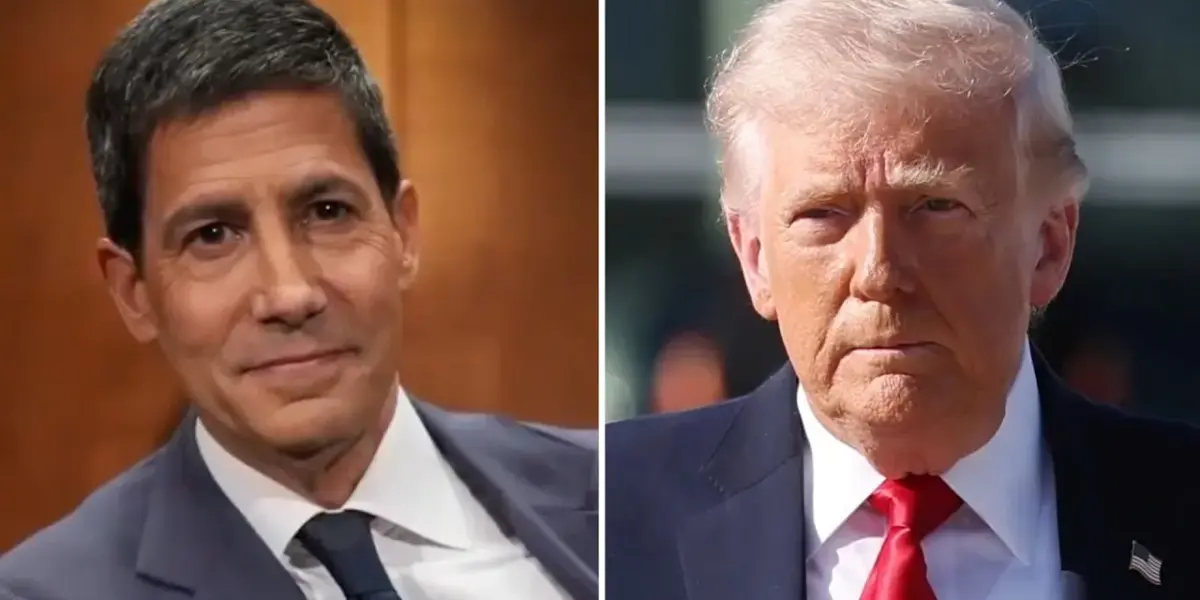
Trump Demands Fed Rate Cuts: A Challenge to Independence
President Trump recently voiced strong opinions about the Federal Reserve, specifically regarding interest rates and the potential leadership of Kevin Warsh. During his confirmation hearing, Trump expressed his expectation that Warsh, if approved as the new Fed chair, should immediately cut interest rates. This statement highlights a significant tension between the White House and the central bank.
The President’s comments, made to CNBC, suggest a desire for monetary policy to directly support his economic agenda. He stated he would be disappointed if Warsh did not lower rates right away.
This is not the first time Trump has publicly pressured the Fed. He has previously accused current Fed chair Jerome Powell of mismanagement, an accusation Powell denies.
Historical Context: The Fed’s Role
The Federal Reserve, often called the “Fed,” is the central bank of the United States. Its main job is to manage the nation’s money supply and credit conditions.
This includes setting interest rates, which influences borrowing costs for businesses and consumers. The Fed’s goal is to promote maximum employment and stable prices, meaning it tries to keep inflation in check.
Historically, the Fed operates independently from the executive branch. This independence is seen as crucial for making sound economic decisions.
It allows the Fed to set policy based on economic data rather than short-term political pressures. Presidents and administrations often disagree with Fed policy, but direct demands for specific actions are less common and can be controversial.
The President’s Concerns and Investigations
Beyond interest rates, Trump also raised questions about the Federal Reserve building’s construction costs. When asked about this, he responded, “We have to find out.” The Justice Department is reportedly investigating these matters. This adds another layer to the President’s scrutiny of the institution.
Jerome Powell, the current Fed chair, has denied any accusations of mismanagement. The ongoing investigation and the President’s public statements create a complex situation for the central bank. It raises questions about how these pressures might affect future policy decisions.
Why This Matters
The President’s direct involvement in suggesting specific monetary policy actions, like cutting interest rates, challenges the Federal Reserve’s long-standing independence. If the Fed were to consistently act based on presidential demands, it could undermine its credibility. This could lead to economic instability, as markets and businesses rely on the Fed’s objective decision-making.
The independence of the Fed is like a doctor making health recommendations without a patient telling them exactly what medicine to prescribe. The doctor uses their expertise and tests to decide the best course of action. Similarly, the Fed uses economic data to set policy, not political wishes.
Implications and Future Outlook
If Kevin Warsh were to be confirmed and immediately cut rates due to presidential pressure, it could signal a shift in how the Fed operates. Markets might become more volatile, reacting to every presidential statement. This could make long-term economic planning harder for businesses.
Conversely, if Warsh or any future Fed leader maintains independence, the market’s reaction to Trump’s comments will be key. Investors and economists will be watching closely to see if the Fed can continue its work without undue political interference. The upcoming decisions on interest rates and the outcome of the Justice Department’s investigation will be important indicators.
Source: Trump Says He'll Be Disappointed If Warsh Doesn’t Cut Interest Rates Right Away (YouTube)

Related Articles


Trump’s Economic Calls Echo: Tariffs, Rates, and a Fed Nominee
The confirmation hearing for Kevin Worsh, President Trump's nominee for Federal Reserve Chair, focused on inflation, interest rates, and Fed independence. Worsh faced tough questions about his views and his autonomy from the president. The debate highlighted differing economic strategies, with some arguing for lower interest rates to stimulate growth, while others stressed caution due to inflation concerns.
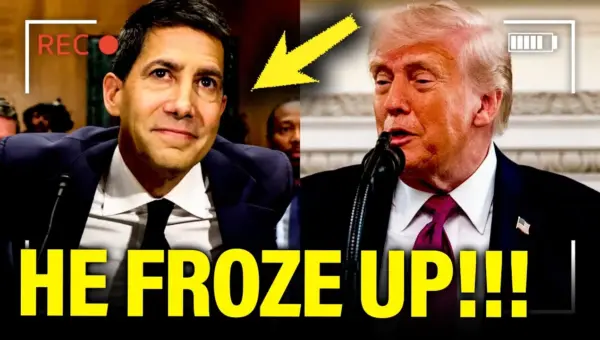
Fed Nominee Falters Under Pressure in Senate Hearing
Kevin Worsh, Donald Trump's nominee for the Federal Reserve, faced intense scrutiny during his Senate confirmation hearing. Questions about his independence, past statements, and undisclosed assets revealed a stark contrast with current Fed Chair Jay Powell, raising concerns about political influence over monetary policy.
Fed Nominee Faces Heat; Tariffs and FBI Probe Fuel Debate
Kevin Warsh's nomination to the Federal Reserve faces scrutiny over independence, while debates rage over tariff refunds and alleged FBI overreach in Operation Arctic Frost. These issues highlight tensions between political influence and institutional integrity.