Trump’s Economic Calls Echo: Tariffs, Rates, and a Fed Nominee
The confirmation hearing for Kevin Worsh, President Trump's nominee for Federal Reserve Chair, focused on inflation, interest rates, and Fed independence. Worsh faced tough questions about his views and his autonomy from the president. The debate highlighted differing economic strategies, with some arguing for lower interest rates to stimulate growth, while others stressed caution due to inflation concerns.

Trump’s Economic Vision: A Look at Tariffs and Interest Rates
The confirmation hearing for Kevin Worsh, President Trump’s pick for Federal Reserve Chair, brought economic issues like inflation and interest rates into sharp focus. Worsh faced tough questions from lawmakers about his views and his independence from the president. He acknowledged that inflation is still a concern, though less severe than in past years, and called for broader policy changes to lower costs for Americans.
Senator Elizabeth Warren pressed Worsh on his independence, asking if he would stand firm against presidential pressure. Worsh stated his belief in the election certification process, but the exchange highlighted the ongoing debate about the Fed’s autonomy. Concerns were also raised about Worsh’s past stances on interest rate cuts, with some questioning if his views aligned more with political convenience than sound economic judgment.
The Federal Reserve: Independence vs. Political Influence
A key point of contention during the hearing was the potential for political influence on interest rate decisions. While Worsh asserted that President Trump never directly asked him to cut rates, he acknowledged knowing the president’s views on the matter. This brings to the forefront the delicate balance the Federal Reserve must maintain between setting monetary policy and responding to the political climate.
President Trump himself weighed in, expressing support for Worsh and reiterating his long-held belief that lower interest rates could benefit the government, boost economic growth, and ease financial burdens on families and businesses. However, Trump also noted his past support for interest rate hikes to combat inflation, showing a nuanced approach to the issue.
A Nominee’s Record and a Senator’s Opposition
Adding another layer to the confirmation process, Republican Senator Tom Tillis vowed to block Worsh’s nomination. Tillis linked his opposition to an ongoing investigation involving a U.S. Attorney, stating he would only support Worsh if that investigation were ended. This move could prevent Worsh from advancing to a full Senate vote, potentially leaving Jerome Powell as Fed Chair.
Trump acknowledged Tillis’s stance, suggesting he might have to accept the outcome if the nomination fails. If confirmed, Worsh would play a significant role in shaping the nation’s economic policy, making his potential appointment a critical event for the economy.
Rethinking Inflation Measurement and Economic Strategy
The discussion also touched upon the very definition of inflation and how it’s measured. Worsh suggested that current data might be imperfect and that the Fed should explore new data sources to better understand the true inflation rate. He emphasized the importance of looking at underlying inflation rather than temporary price changes caused by external factors like geopolitical events or shifts in specific goods.
This idea of rethinking how we measure inflation was met with some skepticism. One panelist, a Democratic strategist, humorously admitted limited financial expertise but found Worsh’s claims of independence interesting. He warned that if Worsh truly intends to be independent, he should prepare for strong pushback from President Trump, citing past instances where Trump has publicly criticized allies who didn’t align with his wishes.
The Case for Lower Interest Rates and Economic Stimulus
Conversely, a different perspective argued that President Trump has often been right about economic policies, including tariffs and other measures. This viewpoint suggested giving Trump’s economic strategies, such as lower interest rates, the benefit of the doubt. The argument is that lower borrowing costs can stimulate the housing and auto markets, putting more money into the pockets of average Americans and benefiting the economy as a whole.
This perspective believes that simpler access to money for both individuals and businesses could help turn around key sectors. It advocates for trying something different, particularly when many Americans are feeling the pinch of current interest rates on loans and credit cards.
Why This Matters
The confirmation of a Federal Reserve Chair is a crucial event with far-reaching economic consequences. The Fed’s decisions on interest rates and inflation directly impact the cost of borrowing for everything from mortgages to business loans, affecting job growth, investment, and the overall health of the economy. The debate surrounding Worsh’s nomination highlights the tension between economic expertise, political influence, and the public’s desire for financial relief.
Implications and Future Outlook
If Worsh is confirmed, his approach to inflation measurement and monetary policy could lead to shifts in how the Fed operates. His emphasis on understanding underlying inflation and potentially using new data sources could make policy more responsive to real economic conditions. However, concerns about his independence from President Trump remain a significant factor.
The differing views on interest rates also reflect a broader economic debate: should policy prioritize controlling inflation, even if it means higher borrowing costs, or should it focus on stimulating growth through lower rates, even if it risks inflation? The outcome of Worsh’s nomination and the ongoing economic challenges will shape this discussion for years to come.
The confirmation hearing of Kevin Worsh for Federal Reserve Chair is scheduled to continue, with his nomination facing significant political hurdles.
Source: Trump Has Been Right About Tariffs, Just About Every Economic Issue, Why Not Lower Interest Rates (YouTube)

Related Articles
Fed Nominee Falters Under Pressure in Senate Hearing
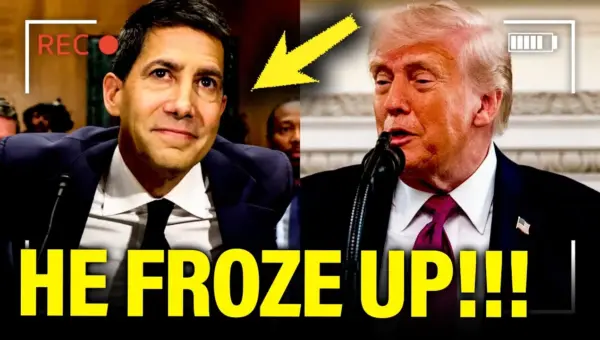
Kevin Worsh, Donald Trump's nominee for the Federal Reserve, faced intense scrutiny during his Senate confirmation hearing. Questions about his independence, past statements, and undisclosed assets revealed a stark contrast with current Fed Chair Jay Powell, raising concerns about political influence over monetary policy.

Charisma Masks Bad Ideas: A Look at Zohran Mamdani’s Politics
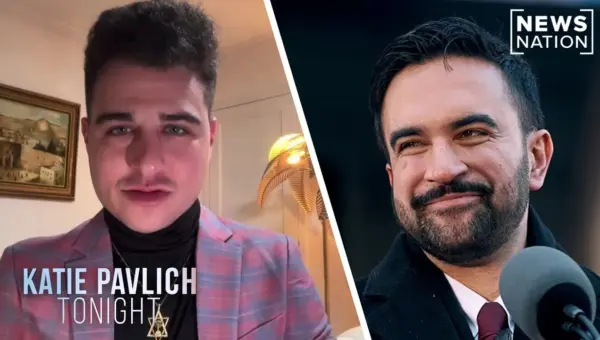
Comedian Zach Sage Fox critiques politician Zohran Mamdani's "horrible ideas" despite his "great charisma." Fox highlights Mamdani's reliance on social media and criticizes policies that could drive away wealthy contributors, impacting New York City's tax base. The discussion touches on rising anti-Semitism, socialist influences in politics, and the broader implications for urban economies.
Fed Nominee Faces Heat; Tariffs and FBI Probe Fuel Debate
Kevin Warsh's nomination to the Federal Reserve faces scrutiny over independence, while debates rage over tariff refunds and alleged FBI overreach in Operation Arctic Frost. These issues highlight tensions between political influence and institutional integrity.