Four-Time Deportee Charged With Murder After NYC Subway Attack
A four-time deportee, Byron Hernandez, now faces a murder charge after allegedly pushing two people onto NYC subway tracks, resulting in one death. The case highlights concerns about immigration enforcement and public safety, especially given his extensive criminal history and repeated re-entries into the U.S.

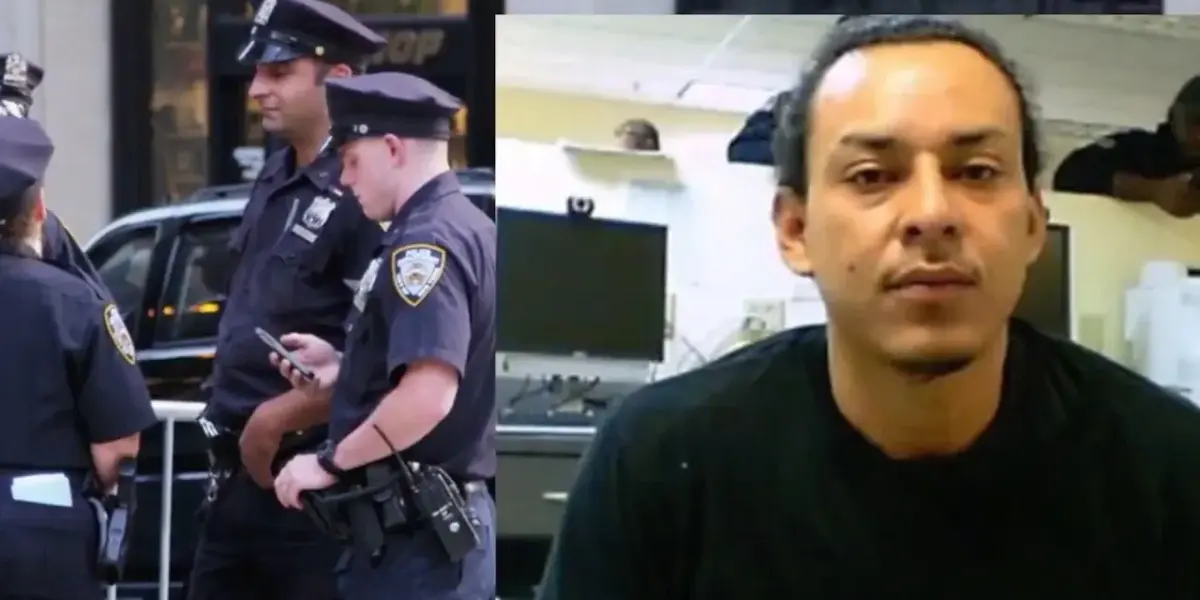
Four-Time Deportee Charged With Murder After NYC Subway Attack
A man with a history of multiple deportations and numerous criminal charges now faces a murder charge after allegedly pushing two people onto New York City subway tracks. The incident, which occurred in early March, tragically resulted in the death of an 83-year-old man who was on life support. This case highlights serious questions about immigration enforcement and public safety in major cities.
The individual, identified as Byron Alexander Posada Hernandez, a Honduran national, was initially arrested for attempted murder. His criminal record includes 15 prior charges, ranging from simple assault and obstruction of police to aggravated assault. Immigration and Customs Enforcement (ICE) placed a detainer on him following his arrest.
A Pattern of Re-entry
What makes this case particularly striking is Hernandez’s history of being deported from the United States four separate times. Despite these deportations and his criminal background, he managed to re-enter the country, leading to further alleged criminal activity. This repeated re-entry raises concerns about the effectiveness of current immigration control measures.
Officials are investigating the exact circumstances of his latest entry into the U.S. It is unclear if he used fraudulent documents or entered through means that did not involve contact with law enforcement. The fact that someone deported multiple times can re-enter the country suggests potential gaps in the system.
Questions of Systemic Failures
The Department of Homeland Security has noted that deportation does not permanently bar individuals from re-entering the United States. However, questions remain about whether Hernandez’s entry was properly vetted.
Were there failures in the screening process that allowed him to pass through? These are critical questions that need answers.
The case also brings attention to the debate around sanctuary cities and their policies. Critics argue that such policies can create an environment where individuals with criminal histories can reoffend. Mayor Eric Adams’ executive order, which some believe shields undocumented immigrants with violent records, has drawn condemnation from DHS.
Impact on Communities
While the legal proceedings unfold, there are concerns about the broader impact on immigrant communities. Some worry that the actions of one individual could lead to unfair negative perceptions of all immigrants. It is important to remember that judging an entire group based on the actions of a few is inaccurate and unjust.
Anti-ICE groups and human rights advocates have also voiced concerns, warning undocumented immigrants that airports may no longer be safe for domestic travel. This warning comes amid ongoing discussions about how to balance immigration enforcement with humanitarian concerns.
The Legal and Bail Process
Following the upgrade of the charge to murder, Hernandez was granted $100,000 bail. Without a detainer, he would be released if the bail is posted, rather than being automatically transferred to ICE custody. News outlets are seeking information from city and state authorities on whether they will honor the federal request to keep Hernandez detained.
This situation highlights the complex interplay between federal immigration enforcement and local law enforcement, especially in cities with differing policies. The outcome of the legal process will be closely watched, particularly in relation to immigration policy and public safety.
Why This Matters
This case is significant because it brings to the forefront the ongoing challenges in managing immigration and ensuring public safety. The repeated re-entry of an individual with a criminal history, culminating in a tragic death, points to potential weaknesses in the system. It fuels the debate about border security, deportation enforcement, and the impact of local policies on federal immigration efforts.
The incident also raises questions about the effectiveness of current screening processes for individuals attempting to enter or remain in the country. If someone with multiple deportations and a substantial criminal record can re-enter and allegedly commit such a violent act, it suggests a need for re-evaluation of existing protocols.
Looking Ahead
The legal proceedings against Byron Hernandez will continue, with a focus on the murder charge. Authorities will likely examine his past entries and the actions of those involved in processing immigrants. The case will undoubtedly remain a focal point in discussions about immigration reform and public safety strategies in urban areas.
As New York City and other cities grapple with these issues, the focus remains on finding effective solutions that uphold the law, protect citizens, and respect human rights. The coming months will likely bring further developments in this case and the broader policy debates it represents.
The Manhattan District Attorney’s office and the NYPD are expected to provide updates on whether they will honor the federal detainer request for Hernandez.
Source: Charge Against Violent 4 Time Deportee Bairon Hernandez Upgraded to Murder (YouTube)

Related Articles

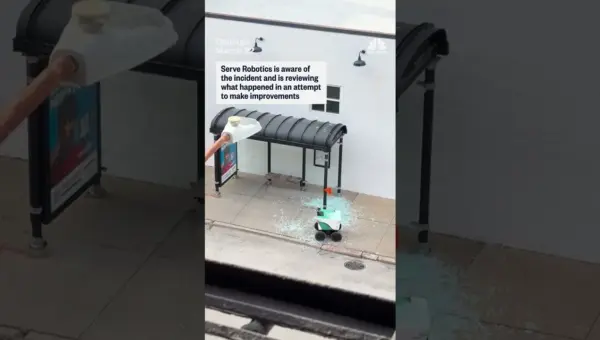
Delivery Robot Smashes Through Bus Shelter in Viral Video
A delivery robot smashed through a bus shelter's glass, with the incident captured in a viral video. The event has sparked online debate about the safety and reliability of autonomous sidewalk robots. It raises questions about the technology's ability to navigate complex urban environments safely.


ICE Detains DACA Dad; Congress Cites MS NOW Report
MS NOW's exclusive report on an ICE detention of a DACA recipient heading to see his premature baby was cited in Congress. Representative Robert Garcia used the story to highlight alleged DHS abuses, stating such cases should 'outrage every single American.' The incident raises questions about immigration enforcement priorities.

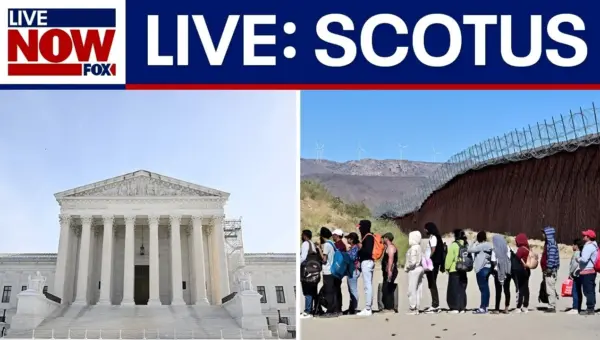
Supreme Court Hears Asylum Claims and Bankruptcy Disputes
The Supreme Court heard arguments on two critical cases: one concerning asylum seekers' rights at the U.S. border and the interpretation of "arriving in the United States," and another addressing whether attorneys' mistakes can excuse debtors from consequences in bankruptcy for undisclosed claims. The decisions could significantly shape immigration policy and bankruptcy law.