Russia Strikes Energy Grid After Easter Truce Offer
Russia launched a significant drone offensive across Ukraine, targeting energy infrastructure shortly after Kyiv proposed an Easter ceasefire. Ukrainian air defenses reported shooting down over 700 drones, with a 90% success rate, but hits still occurred in multiple regions. The strikes are seen as a direct response to Ukraine's peace initiative.


Russia Launches Drone Barrage After Easter Truce Bid
Russian forces launched a widespread drone attack across Ukraine, targeting energy infrastructure shortly after Kyiv proposed an Easter ceasefire. Air raid sirens sounded in most Ukrainian regions for extended periods, signaling the scale of the assault. Ukrainian air defenses reported a high success rate in intercepting the incoming threats.
Officials stated that Ukrainian forces shot down over 700 Russian drones in a single day. A significant portion of these were Shahed-series uncrewed aerial vehicles, often referred to as “kamikaze” drones because they are designed to crash into targets and explode. While the reported success rate for Ukrainian air defenses was approximately 90%, authorities emphasized the need for even higher interception rates to fully protect critical infrastructure.
Strikes Hit Multiple Regions, Targeting Energy Sector
Despite the high interception rate, several drone impacts were confirmed. Hits were reported in the Volyn, Zakarpattia, Ternopil, Chernivtsi, and Cherkasy regions, along with other areas.
Emergency repair crews immediately began working to restore services where damage occurred. The primary targets for these Russian strikes appear to have been Ukraine’s energy facilities.
This sustained drone offensive is seen by Ukraine as a direct response to its proposal for a ceasefire during the Easter holiday period. Kyiv had publicly offered to halt hostilities to allow for a peaceful observance of the religious holiday. Russia’s reaction, however, was a continuation of attacks, specifically employing Shahed drones against Ukrainian energy and infrastructure targets.
Strategic Context: Why Energy Targets Matter
Attacking energy infrastructure is a tactic designed to weaken a nation’s ability to sustain its war effort and maintain civilian morale. These facilities, which include power plants, substations, and fuel depots, are vital for powering military operations, supporting industry, and providing essential services like heating and lighting to the population. Disrupting them can have widespread consequences, impacting everything from factory production to hospital operations and residential comfort.
By targeting the energy sector, Russia aims to create significant economic strain and potentially undermine public support for continued resistance. It also forces Ukraine to divert resources and personnel to defensive measures and repair efforts, away from offensive operations or other critical needs. This strategy reflects a broader pattern of Russian attacks aimed at degrading Ukraine’s national capacity.
Shahed Drones: A Key Russian Weapon
The Shahed-136 drone, used extensively in this recent wave of attacks, is a long-range, loitering-munition system. These drones are relatively inexpensive to produce compared to traditional missiles, making them a cost-effective option for sustained harassment and destruction.
They are designed to fly for long periods, search for targets using onboard sensors, and then dive onto them. Their distinctive engine sound has led to them being nicknamed “mopeds” or “chainsaws” by Ukrainian defenders.
The use of a large number of these drones highlights Russia’s strategy of overwhelming air defenses through sheer volume. Even with a high percentage of interceptions, a small number of successful penetrations can still cause significant damage to critical infrastructure. This tactic forces defenders to expend valuable ammunition and resources to counter the threat.
Geopolitical Ramifications and Ukrainian Response
Ukraine’s proposal for an Easter ceasefire aimed to leverage the religious significance of the holiday to press for de-escalation. Russia’s response, a large-scale drone attack, signals its unwillingness to observe such a truce and its continued commitment to military pressure. This action could further solidify international support for Ukraine, as it demonstrates a clear instance of aggression during a period typically associated with peace.
The ongoing attacks on energy infrastructure also place additional strain on Ukraine’s resources and its partners providing aid. Western nations have supplied Ukraine with advanced air defense systems, such as the Patriot and IRIS-T, which have been credited with improving interception rates. However, the sheer number of incoming drones necessitates a continuous supply of interceptor missiles and ongoing support for maintenance and training.
Looking Ahead: Continued Defense Efforts
Ukraine’s military leadership has indicated that efforts to strengthen air defense capabilities and improve interception rates remain a top priority. The focus will continue to be on protecting civilian populations and critical infrastructure from further aerial assaults. Repair crews will work to mitigate the impact of any successful strikes, ensuring essential services are restored as quickly as possible.
The next phase of the conflict will likely see continued aerial combat, with both sides adapting their tactics. Russia’s reliance on drones suggests a strategic effort to conserve more expensive munitions while still applying pressure. Ukraine, in turn, must maintain and enhance its defensive capabilities to counter this persistent threat.
Source: Russia responds to Easter ceasefire proposal with mass drone strikes, hits energy targets (YouTube)

Related Articles

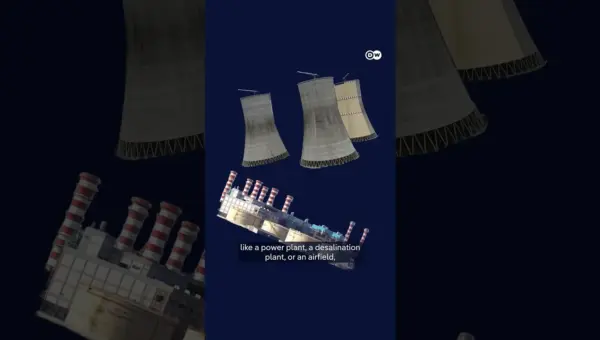
Ukraine Sells War Tech Lessons to Gulf Nations
Ukraine is leveraging its battlefield experience from the war with Russia to forge new defense partnerships in the Persian Gulf. The nation is sharing its innovative approaches to drone warfare and defense systems with countries like Saudi Arabia, Qatar, and the United Arab Emirates. These deals offer Ukraine financial support and potential energy resources in exchange for its expertise.


Bucha Massacre Anniversary: EU Vows Justice for War Crimes
Four years after the atrocities in Bucha, Ukraine, EU officials marked the anniversary by honoring victims and vowing justice. The European Union is pushing for a special tribunal to hold Russian leadership accountable for the crime of aggression, beyond individual war crimes prosecutions. This move aims to ensure those who ordered the war face justice.

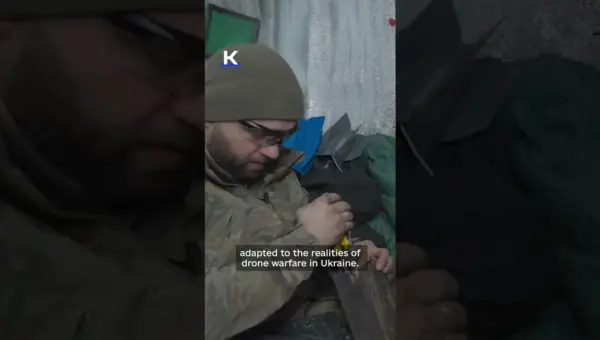
Ukraine’s ‘Baba Yaga’ Drones Strike Deep Russian Lines
Ukraine's Skyian Griffins are deploying heavy 'Baba Yaga' bomber drones equipped with 'Spear' munitions to strike Russian positions. This tactic adapts historical bunker-busting principles for modern drone warfare, aiming to degrade enemy strongholds and disrupt supply lines.