Iran Wields AI and Fake Accounts in Global Disinformation War
Iran is waging a sophisticated information war online, utilizing a network of fake social media accounts and AI-generated fake videos. Researchers have uncovered state-sponsored operations spreading disinformation across platforms like X. This digital campaign aims to influence global perceptions of ongoing conflicts.

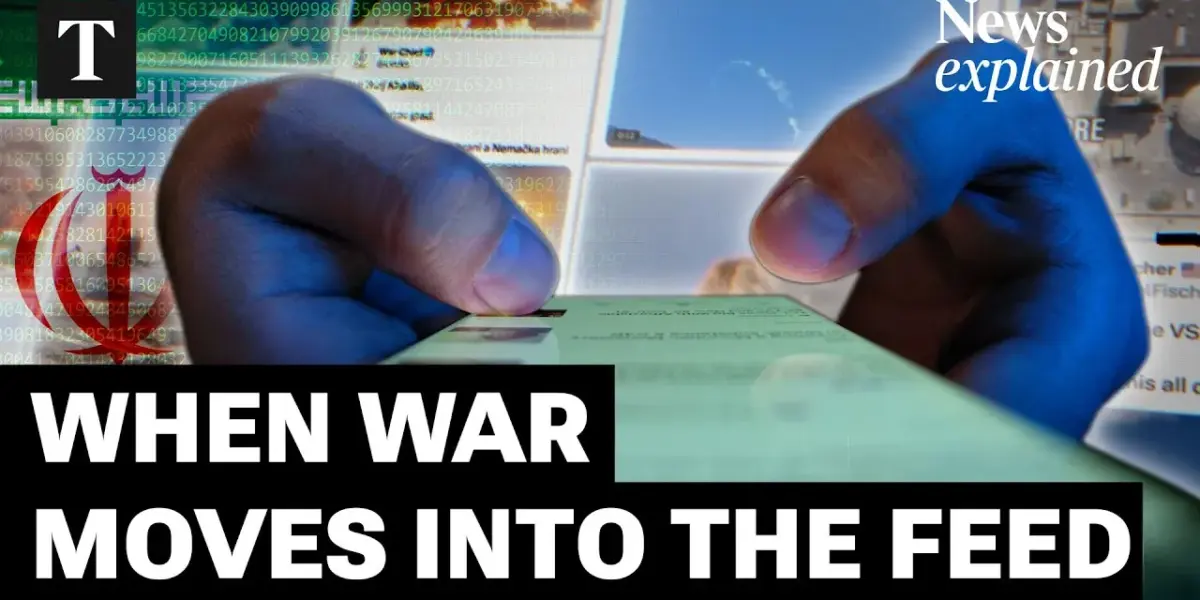
Iran’s Digital Front: An Information War Unfolds
As conflict grips the Middle East, a parallel battle for truth is raging online. Iran is actively using artificial intelligence and a network of fake social media accounts to spread its narratives globally. This sophisticated information war aims to shape international perception of current events.
Researchers from Clemson University recently uncovered a significant operation. They identified a network of fake accounts across platforms like X, Blue Sky, and Instagram. These accounts, which pretended to be from Britain, Scotland, and Ireland, were actively managed by the Iranian government.
Subverting Discourse Before the Conflict
Before the recent conflict began, these Iranian-controlled accounts worked to create division. They spread discontent regarding Scottish independence and the impacts of Brexit. This groundwork aimed to weaken Western unity and sow discord.
When the current war broke out, these accounts quickly shifted their focus. They began promoting pro-Iran viewpoints and disseminating false information. This sudden change exposed their true purpose as coordinated Iranian state-sponsored operations, often run by individuals within Iran.
AI-Generated Fabrications and False Claims
Evidence suggests Iran is also employing AI to create convincing fake video content. This technology has been used to generate fabricated footage of events that never occurred. Examples include supposed attacks on Tel Aviv and the downing of F-35 fighter jets.
The fabricated content also included false reports of attacks on Dubai and the alleged deaths of prominent Israeli leaders. These included claims about the security minister and Prime Minister Benjamin Netanyahu, who publicly affirmed his status as alive.
Social Media Platforms Under Scrutiny
Social media platforms are central to this disinformation campaign. X, formerly Twitter, has faced criticism for its handling of fake news. The platform reduced its content moderation efforts, opting for a crowd-sourced approach.
Despite these changes, X has struggled with the volume of false content. The platform even issued warnings that users posting fake news about the war could lose revenue-sharing benefits. X has also been criticized by its own oversight board for insufficient action in labeling and removing fake news.
Governments Grapple with the ‘Liar’s Dividend’
The widespread nature of fake news is forcing governments and regulators to act. Some are proposing new laws that would require AI-generated content to be labeled. Others are pushing for social media companies to strengthen their content moderation policies.
This flood of misinformation creates a phenomenon known as the ‘liar’s dividend.’ This allows those who spread fake news to easily dismiss genuine, factual reporting as fabricated. Ultimately, the constant barrage of falsehoods makes it harder for the public to discern truth from fiction.
The Path Forward: Regulation and Responsibility
As the digital information war continues, the focus is shifting towards potential regulatory measures. Discussions around mandatory AI labeling and increased platform accountability are gaining momentum. These efforts aim to combat the growing challenge of online disinformation.
The effectiveness of these proposed solutions will be closely watched. Governments and tech companies face increasing pressure to protect the integrity of online information spaces. The outcome will determine how effectively the public can access reliable news in the future.
Source: How Iran Is Waging a Fake News War on The World (YouTube)

Related Articles

Russia Tightens Digital Grip, Threatens Ukraine’s Info Flow
Russia is increasing its control over online information by blocking websites and social media, potentially impacting Ukraine's ability to reach people in occupied territories. While sabotage communications are expected to remain secure, the broader risk is increased isolation and vulnerability to propaganda for civilians.


Congressman Accused of Rape; Iran War Talks Continue
A criminal investigation has been launched into a former congressman accused of drugging and rape, as the accuser and legal experts detail the allegations. Meanwhile, diplomatic efforts continue regarding the Iran conflict, including peace talks between Lebanon and Israel, and a US blockade of Iranian ports.

Trump: AI Image Showed Him as Doctor, Not Jesus
Former President Donald Trump explained a controversial AI-generated image he posted and deleted, stating it depicted him as a doctor helping people, not as Jesus. He blamed 'fake news' for misinterpreting the image, which he claimed showed him in a doctor's coat with antibiotic lotion, not divine light.