Supreme Court Weighs Birthright Citizenship in Key Case
The Supreme Court heard arguments on birthright citizenship, focusing on the 14th Amendment's Citizenship Clause. The government argued that citizenship requires not just birth in the U.S. but also a lawful domicile and allegiance to the country. Justices questioned the historical interpretation and the implications for modern immigration.

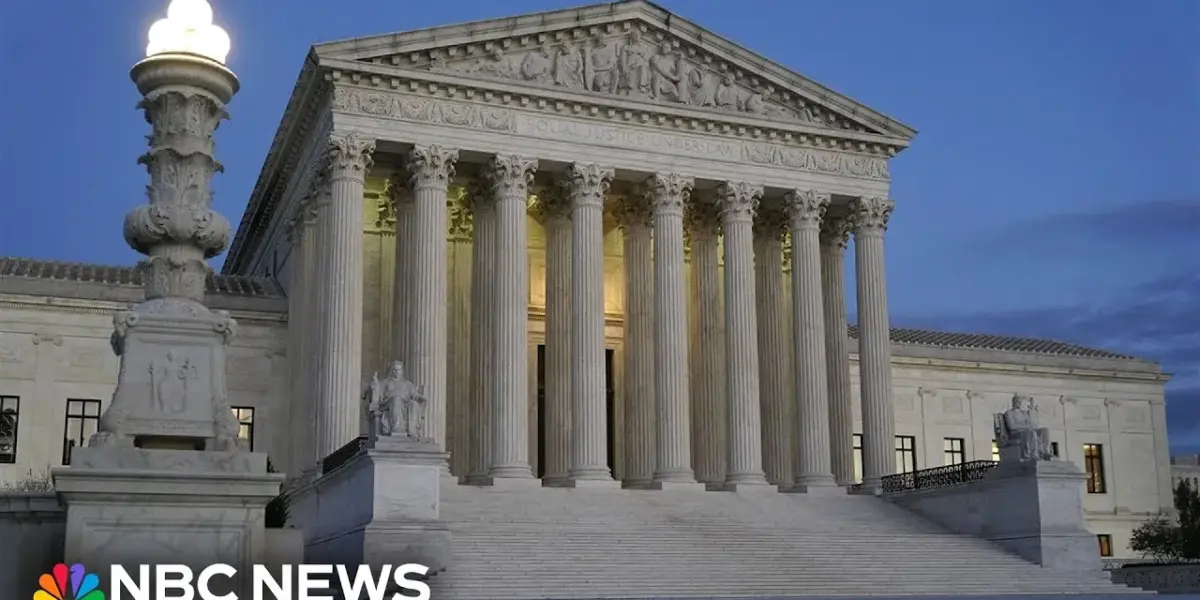
Supreme Court Hears Arguments on Birthright Citizenship
The Supreme Court recently heard arguments in a case that could potentially redefine who is considered a citizen of the United States by birth. The core of the debate centers on the interpretation of the 14th Amendment’s Citizenship Clause, specifically the phrase “subject to the jurisdiction thereof.” Lawyers for the Trump administration argued that this clause does not grant automatic citizenship to children born in the U.S. To parents who are not U.S. Citizens and are not lawfully present in the country.
The Government’s Argument: Allegiance and Domicile
The government’s legal team contended that the original meaning of the Citizenship Clause, particularly the phrase “subject to the jurisdiction thereof,” implies a requirement of owing direct and immediate allegiance to the United States. This allegiance, they argued, is tied to the concept of domicile, meaning a lawful and permanent residence. Children born to individuals without lawful domicile, such as temporary visa holders or those unlawfully present, do not meet this standard of allegiance, according to their interpretation.
During the arguments, General Sauer, representing the administration, emphasized that the Civil Rights Act of 1866, a precursor to the 14th Amendment, rejected the British concept of allegiance tied solely to birth within a territory. Instead, it focused on not owing allegiance to any foreign power. This, he argued, points to a republican conception of allegiance based on domicile.
“The clause thus does not extend citizenship to the children of temporary visa holders or illegal aliens. Unlike the newly freed slaves, those visitors lack direct and immediate allegiance to the United States.”
The argument suggested that lawful domicile is the status that creates the necessary allegiance. Without it, the text of the clause, as understood by the administration, presupposes a connection to the U.S. That temporary visitors or those unlawfully present do not possess.
Justices’ Questions: Dred Scott and Historical Context
The justices posed several challenging questions, probing the historical context and the interpretation of key phrases. Justice Thomas, for instance, asked how the Citizenship Clause specifically responds to the infamous Dred Scott decision, which denied citizenship to enslaved people. He also questioned whether the clause implies two different definitions of citizenship: national and state.
General Sauer explained that a primary purpose of the Citizenship Clause was indeed to overturn Dred Scott and establish the citizenship of freed slaves. He noted that the debates surrounding the 14th Amendment clearly indicated that freed slaves and their children had a relationship of domicile and did not owe allegiance to any foreign power, reinforcing the idea that “jurisdiction” in this context meant allegiance.
The justices also explored the meaning of “reside” within the clause, with the argument being made that it was understood to mean domicile in the 19th century. This, proponents of the administration’s view suggested, strongly supports their interpretation by showing that the clause itself presupposes that a citizen is domiciled in the United States.
Debates Over Exceptions and Modern Immigration
The discussion touched upon historical exceptions to birthright citizenship, such as the children of diplomats. Justice Alito questioned how the administration’s argument, which relied on these narrow exceptions, could be expanded to encompass the broad category of individuals unlawfully present in the country.
The government’s response pointed to the Civil Rights Act of 1866, which stated people were “not subject to any foreign power.” This, they argued, was a clear break from British common law and indicated a focus on allegiance. Senator Trumbull’s statement that “subject to the jurisdiction thereof” means “not owing allegiance to anybody else” was repeatedly cited as strong evidence.
The court also grappled with the issue of immigration itself. The administration argued that unrestricted birthright citizenship acts as a significant pull factor for illegal immigration and fuels a “birth tourism” industry. They presented estimates suggesting millions of foreign nationals come to the U.S. To give birth, creating a generation of citizens with no meaningful ties to the country.
“It has spawned a sprawling industry of birth tourism as uncounted thousands of foreigners from potentially hostile nations have flocked to give birth in the United States in recent decades, creating a whole generation of American citizens abroad with no meaningful ties to the United States.”
Focus on Domicile and Lawful Presence
A key point of contention was the definition and application of domicile. Justice Kagan questioned whether the understanding of domicile in 1868, when the 14th Amendment was ratified, should be the standard, or if modern interpretations should apply. The administration argued that the core concept of domicile has remained consistent over centuries, defined by lawful presence with the intent to remain permanently.
The administration’s argument suggested that Congress has the authority to define who can lawfully be present and, therefore, who can establish domicile. This raised concerns among some justices that such an interpretation could allow future Congresses to significantly impact citizenship, which they felt the 14th Amendment was designed to prevent.
The discussion also returned to the children of enslaved people, who were brought to the U.S. Unlawfully. The administration argued that even if their parents were brought illegally, U.S. Law in the 19th century treated their presence as lawful domicile, and their children would be citizens. This contrasted with individuals entering today, where the lawfulness of their presence is paramount.
Looking Ahead: A Decision on Citizenship’s Foundation
The Supreme Court’s decision in this case will have significant implications for immigration policy and the fundamental understanding of American citizenship. The arguments presented a deep dive into historical legal interpretations, focusing on whether the 14th Amendment requires more than just birth within U.S. Territory for citizenship, specifically examining the role of allegiance and lawful domicile. The court’s ruling, expected later in the term, will clarify the scope of birthright citizenship and its enduring meaning in contemporary America.
Source: LIVE: Supreme Court hears arguments in Trump's attempt to limit birthright citizenship | NBC News (YouTube)

Related Articles
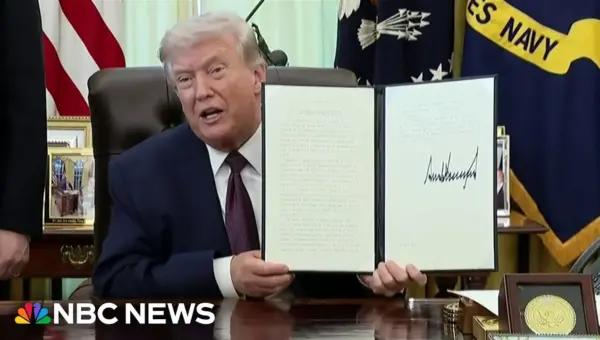
Trump Weighs Birthright Citizenship, Mail-In Voting EO
President Trump signaled his intent to attend Supreme Court arguments on birthright citizenship, a move considered highly unusual for a sitting president. Simultaneously, he signed an executive order aiming to alter mail-in ballot procedures through the Postal Service, an action expected to face legal challenges. The order targets voter verification for mail-in ballots, reflecting ongoing concerns about election integrity.


Mass Protests Signal Deep Discontent With Trump Administration
Millions of Americans have taken to the streets, signaling deep discontent with the Trump administration. This widespread public outcry, coupled with a surge in legal challenges and shifts in special election results, indicates a strong demand for change. A key legal battle over birthright citizenship at the Supreme Court is also set to define American identity.

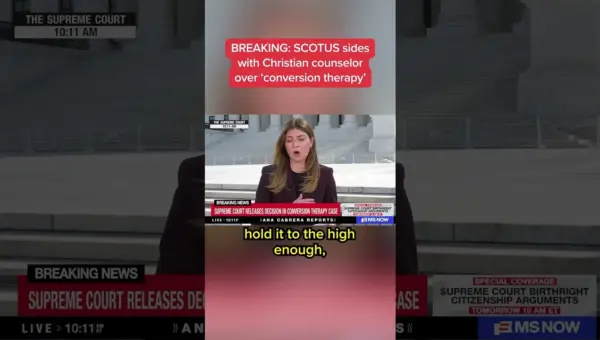
SCOTUS Protects Christian Counselor’s Speech in ‘Conversion Therapy’ Case
The Supreme Court ruled 8-1 in favor of a Christian counselor challenging Colorado's ban on 'conversion therapy' for minors. Justice Neil Gorsuch stated the state's law improperly targets speech based on viewpoint, violating First Amendment principles. The decision emphasizes the protection of speech against government-enforced orthodoxy.