Gas Prices To Hit $3 This Summer, Treasury Chief Predicts
Treasury Secretary Janet Yellen predicts gas prices could fall to $3.00 a gallon this summer. This optimistic forecast depends on successful negotiations and the reopening of the Strait of Hormuz. Lower gas prices would provide financial relief to consumers and help ease inflation.

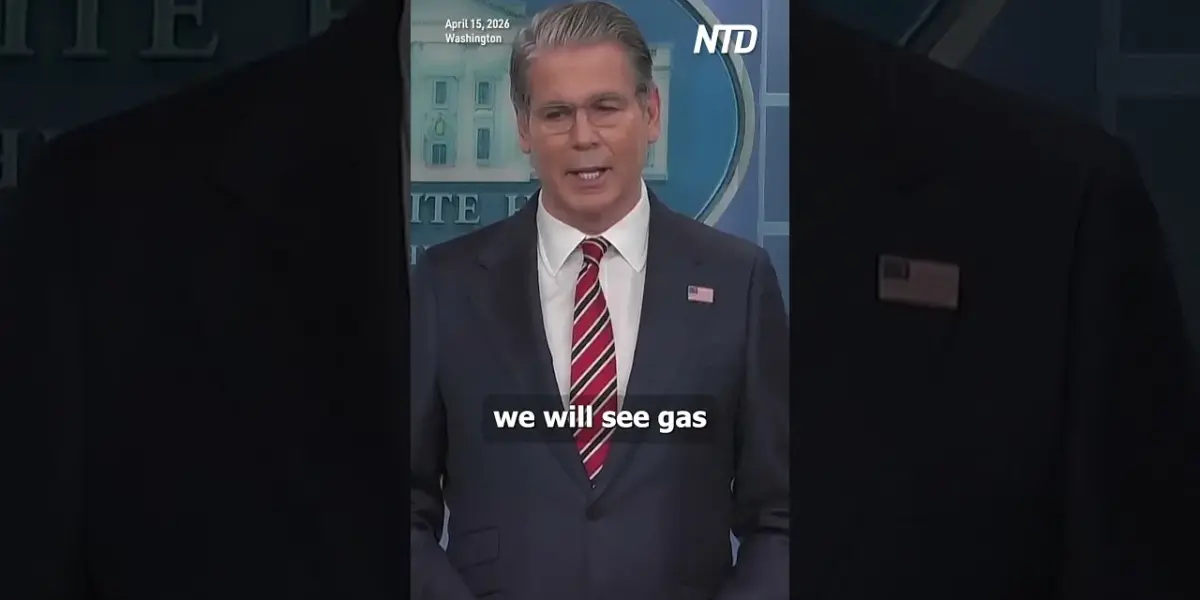
Gas Prices To Hit $3 This Summer, Treasury Chief Predicts
Americans may soon see relief at the gas pump. Treasury Secretary Janet Yellen expressed optimism that gasoline prices could drop to around $3.00 a gallon this summer. This prediction comes as key diplomatic talks and potential resolutions to international conflicts unfold.
The exact timing of this price drop hinges on ongoing negotiations and developments in the Middle East. President Trump has indicated he believes a resolution is near.
He stated that the U.S. has fulfilled its commitments regarding a ceasefire. However, the vital Strait of Hormuz has not yet been fully reopened, which is crucial for oil flow.
Diplomatic Efforts and Oil Flow
Yellen’s meetings with Middle Eastern finance ministers during Bank Week in Washington D.C. Provided insights into the situation.
These officials indicated that once the Strait of Hormuz is open, oil production can resume quickly. They suggested pumping could restart within a week of the waterway’s full reopening.
This suggests a direct link between geopolitical stability and energy costs. The Strait of Hormuz is a critical chokepoint for global oil supplies.
Any disruption there significantly impacts prices worldwide. Therefore, reopening it is a key factor for Yellen’s optimistic forecast.
Historical Context of Oil Prices
Gasoline prices have always been sensitive to global events. Historically, conflicts or instability in major oil-producing regions have led to price spikes. Conversely, periods of calm and increased production often result in lower prices for consumers.
For example, in 2008, oil prices soared to record highs due to geopolitical tensions and strong global demand. Later, increased production from countries like Saudi Arabia and a slowdown in demand helped bring prices down. The current situation echoes these historical patterns, where international relations directly affect the cost of fuel.
Why This Matters
Lower gas prices would offer a much-needed break for many households. High energy costs impact everything from daily commutes to the price of groceries. A drop to the $3 range could ease financial pressure on consumers, potentially boosting spending in other areas of the economy.
This development is also important for the broader economic picture. Inflation has been a major concern, and energy prices are a significant component of that. Stabilizing or lowering gas costs can help slow down overall inflation, making everyday goods more affordable.
Implications and Future Outlook
Yellen’s optimism, if realized, could signal a turning point in current economic conditions. It suggests that diplomatic efforts are yielding tangible results in stabilizing global energy markets. The ability of Middle Eastern nations to quickly increase production is a positive sign for supply chain resilience.
The outlook depends heavily on continued diplomatic success and the smooth operation of the Strait of Hormuz. If these conditions are met, consumers could enjoy more affordable fuel throughout the summer. However, any setbacks in negotiations or new disruptions could quickly reverse this positive trend.
The coming weeks will be critical in observing how these diplomatic and logistical factors play out. The focus remains on achieving a stable reopening of the Strait of Hormuz and the subsequent increase in oil supply.
Source: US Treasury Chief Says He Expects Gasoline to Be in $3 Range This Summer (YouTube)

Related Articles


Iran Talks Resume as Trump Faces Costly Compromise
Renewed diplomatic efforts are underway as the U.S. and Iran engage in talks aimed at de-escalating rising tensions. Reports suggest a potential deal mirroring past agreements, focusing on limiting Iran's uranium enrichment. This comes after a period of conflict that saw significant costs and damaged U.S. global standing.

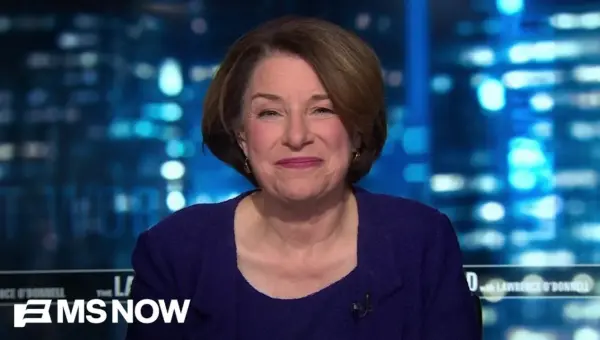
Trump’s Iran War Costly for Americans, Senator Says
Senator Amy Klobuchar argues that Donald Trump's war in Iran is directly costing Americans more money, citing rising gas prices and increased costs for goods like fertilizer. She believes the billions spent on the conflict could instead fund crucial domestic programs like healthcare extensions and affordable housing initiatives.


California Democrats’ Arrogance Fuels Political Fallout
A report reveals alleged misconduct and a pattern of behavior within California's Democratic party, leading to criticism of their silence and perceived arrogance. The state's one-party rule exacerbates these issues, while Republicans struggle to gain traction. Meanwhile, Californians grapple with high gas prices and a severe homelessness crisis, highlighting governance challenges.