Oil Shock Threatens Holiday Cheer: Costs Soar 15%
Rising oil prices due to disruptions in the Strait of Hormuz are increasing manufacturing costs for holiday goods by up to 15%. This could lead to higher prices for consumers this Christmas season, impacting everything from artificial trees to tinsel. Businesses are struggling to absorb these costs, with some anticipating significant price hikes for shoppers.


Oil Shock Threatens Holiday Cheer: Costs Soar 15%
Christmas may be months away, but concerns are already mounting over potential holiday shopping price hikes. A key shipping route, the Strait of Hormuz, faces disruptions due to conflict, leading to soaring oil prices and increased manufacturing costs. This is hitting businesses that supply holiday goods, potentially forcing consumers to pay more for seasonal items like artificial Christmas trees.
Lou Liping, who makes artificial trees for the U.S. and Europe, is already feeling the pinch. She reports that disruptions in the Strait of Hormuz have driven up oil prices, increasing her costs for essential materials.
The plastic used to make her trees, known as PET plastic, comes from oil. The price for the bags used in her products has jumped 15%, and the PET plastic for the tree needles has risen about 5%.
These rising material costs are impacting Lou’s business directly. Her revenue has fallen by an eighth because customers are holding back on placing orders. The higher costs, stemming from the issues in the Strait of Hormuz, are creating difficulties for the entire industry that produces holiday decorations.
Yiwu, often called China’s Christmas capital, is usually a busy hub this time of year. Factories there are typically ramping up production to ensure products are ready for the Christmas shopping season. However, the current situation is causing significant stress for manufacturers.
Yun Zhoumei, who produces tinsel, states that the plastic prices for her products have increased by as much as 40%. She described the timing of the conflict as particularly bad, occurring right when shipments need to be sent out. This situation is proving very difficult for those in manufacturing.
Another manufacturer, Chen Lian, anticipates even greater price increases in the near future. She explained that demand is concentrated between May and August, as this is the period when most companies need to deliver their goods. With high demand and limited shipping windows, material prices are expected to climb further.
To cope with these challenges, Lou has taken steps to adjust her business operations. She has sped up some shipments when her contracts allowed her to do so.
She is also passing on some of the increased costs to her customers. For the upcoming year, Lou plans to design and offer lower-priced artificial trees to appeal to a wider range of shoppers.
Lou predicts that American shoppers will face higher prices this holiday season. She estimates that the cost of Christmas trees in the U.S. will increase by at least 15%. She believes these price hikes are unavoidable given the current economic pressures.
Market Impact
The disruptions in the Strait of Hormuz are a significant concern for global trade, particularly for goods manufactured in Asia and destined for Western markets. The Strait is a vital waterway, allowing oil and other products to flow from the Middle East. When this route is threatened, it often leads to increased shipping costs and higher energy prices worldwide.
For consumers, this can translate into higher prices for a wide range of goods, not just holiday decorations. The increased cost of oil impacts transportation and the production of many materials derived from petroleum. This means everyday items, from plastics to fuel, can become more expensive.
Businesses that rely on international shipping and oil-based materials are most vulnerable. Manufacturers are facing a difficult balancing act: absorbing higher costs, passing them on to consumers, or finding ways to reduce expenses. The current situation highlights the interconnectedness of global supply chains and the impact of geopolitical events on consumer prices.
The timing of these cost increases, leading into peak shopping seasons, could dampen consumer spending. Shoppers may become more price-conscious, potentially leading to lower sales volumes for retailers. Companies may need to adjust their strategies to manage consumer expectations and maintain profitability.
What Investors Should Know
Investors should monitor companies that are heavily reliant on international shipping and raw materials derived from oil. Sectors like manufacturing, retail, and transportation could see their profit margins squeezed by rising costs. Companies with strong supply chain management and the ability to pass on price increases may be better positioned.
The energy sector, particularly oil producers, could benefit from higher prices. However, sustained high oil prices can also lead to inflation and potentially slow economic growth, which could negatively impact broader market sentiment. Investors might consider companies with diversified supply chains or those that use less oil-dependent materials.
The situation also highlights the importance of geopolitical risk in investment decisions. Events in key global chokepoints like the Strait of Hormuz can have far-reaching economic consequences. Understanding these risks is crucial for making informed investment choices, especially for those with exposure to international markets.
The upcoming months will be critical in observing how businesses adapt and how consumers react to potential price increases. The ability of companies to manage these rising costs and maintain demand will be a key factor for their performance.
Source: Strait Of Hormuz Crisis May Drive Up Christmas Shopping Costs (YouTube)

Related Articles

Trump Claims Iran Blockade Success Amidst Talks Uncertainty
President Trump asserted that the U.S. blockade on Iran has been a "tremendous success" amid uncertainty surrounding potential peace talks. While claiming Iran has violated a ceasefire and that the U.S. has militarily "won the war," intelligence assessments and actions on the ground suggest a more complex reality.
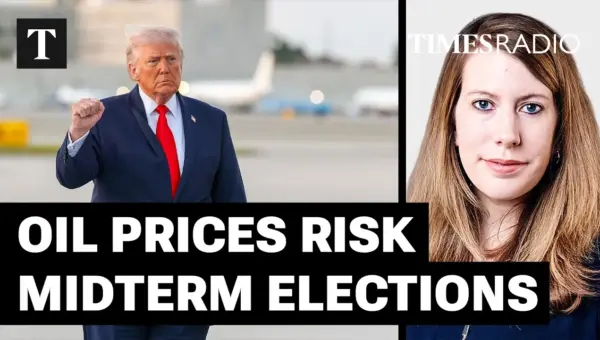
Oil Prices Pressure Trump Ahead of Midterms
Rising oil prices are creating political pressure for Donald Trump as the November midterm elections approach. The ongoing conflict in Iran is impacting the global economy, raising concerns about the cost of living for American voters. Meanwhile, Trump has also commented on UK politics, criticizing Prime Minister Keir Starmer's choice of ambassador.

Iran Talks Gain Leverage From Blockade
A U.S. blockade of Iranian oil exports is giving negotiators significant leverage in peace talks. The U.S. demands Iran abandon its nuclear program and cease actions in the Strait of Hormuz, with sanctions relief contingent on verifiable behavior change. China's role as a financial and technological supporter of Iran adds complexity to the situation.