Trump Warns of ‘Stone Age’ Attack on Iran’s Infrastructure
Former President Donald Trump has warned of severe military action against Iran, targeting its power and oil infrastructure if diplomacy fails. This could lead to significant global market volatility, particularly in oil prices, and impact various industries.

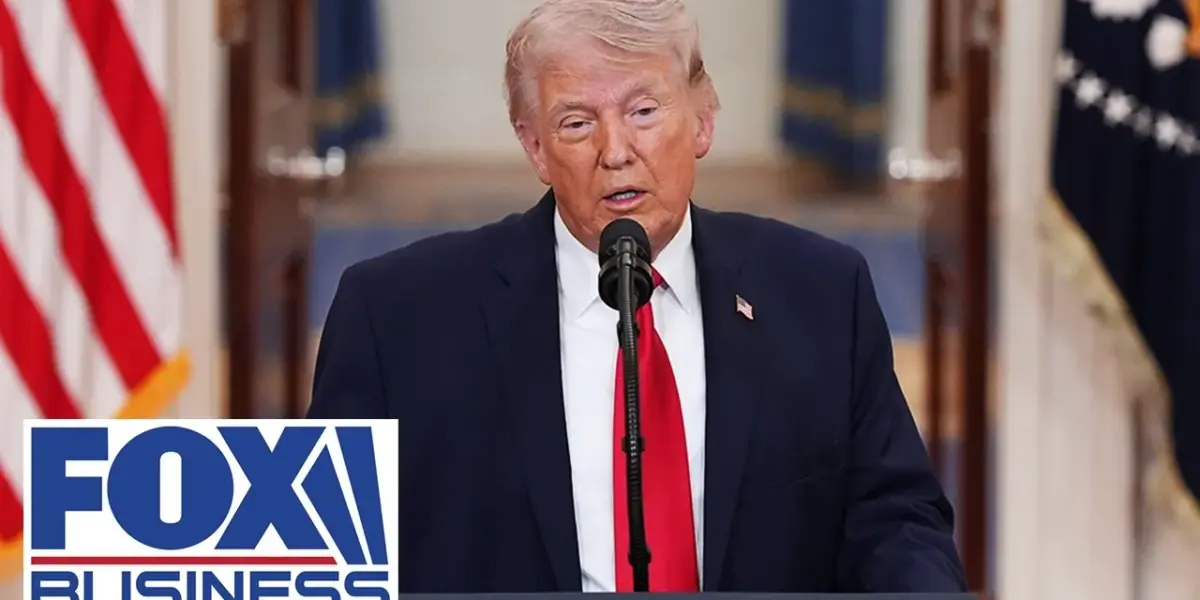
Trump Warns of ‘Stone Age’ Attack on Iran’s Infrastructure
Former President Donald Trump issued a stark warning regarding potential military action against Iran, vowing to target the nation’s power grid and oil infrastructure with extreme force if diplomatic efforts fail. He stated that America is on track to complete its military objectives very shortly, with plans to inflict significant damage over the next two to three weeks. Trump’s rhetoric suggests a strategy aimed at crippling Iran’s ability to function, pushing it back to a pre-industrial era.
The former President detailed a potential two-pronged approach to striking Iran’s energy sector. The first phase would involve hitting “each and every one of their electric generating plants very hard and simultaneously.” This aggressive move is designed to cause widespread and immediate disruption to Iran’s power supply.
Following the disruption of the power grid, Trump indicated a further escalation by targeting the nation’s oil infrastructure. He described oil as “the easiest target of all,” implying that such strikes would be relatively simple to execute but devastating in their impact. The stated goal of these actions is to leave Iran with “not a small chance of survival,” a chilling phrase highlighting the severity of the proposed military response.
What Investors Should Know
The prospect of military conflict, particularly involving major energy producers like Iran, can have significant ripple effects across global financial markets. Increased geopolitical tensions often lead to heightened volatility in oil prices, as supply concerns rise. Investors typically watch these developments closely, as energy costs impact everything from transportation to manufacturing, influencing inflation and corporate earnings.
Should such military actions occur, the immediate impact would likely be a surge in crude oil prices. This price jump could affect airlines, shipping companies, and industries heavily reliant on fuel.
Conversely, energy producers might see increased revenues. The broader economic consequences could include higher inflation and slower consumer spending due to increased costs for goods and services.
Beyond the energy markets, a conflict involving Iran could also disrupt global trade routes, especially in the Middle East. This could affect supply chains for various goods, leading to shortages and further price increases. Investors might seek safer assets, such as gold or government bonds, during periods of heightened uncertainty.
Sector and Index Implications
The energy sector, including oil and gas companies, would be the most directly impacted. Companies involved in oil exploration, production, and refining could see their stock prices rise due to higher commodity prices. However, companies that are major consumers of oil, such as airlines and logistics firms, could face increased operating costs.
Major stock market indices like the S&P 500 and Dow Jones Industrial Average could experience increased volatility. Geopolitical instability often leads to broader market downturns as investor confidence wanes. However, specific sectors, such as defense contractors, might see increased investment as governments potentially boost military spending in response to regional conflicts.
Long-Term Considerations
While short-term market reactions to geopolitical events are often dramatic, the long-term implications depend on the duration and scale of any conflict. A prolonged conflict could lead to sustained high energy prices and significant shifts in global economic power. It could also accelerate the transition to alternative energy sources if fossil fuel supplies become unreliable or too expensive.
The stability of the Middle East region is crucial for global energy security. Any prolonged instability could deter foreign investment and hinder economic development in the region and beyond. Investors will be watching diplomatic efforts and the actions of international powers closely for signs of de-escalation or further conflict.
Future economic policies and energy strategies worldwide could be influenced by the outcomes of such events. The emphasis on energy independence and diversification might increase across many nations. This could lead to greater investment in renewable energy technologies and other sustainable solutions over the coming years.
The ongoing discussions mentioned in the transcript suggest that diplomacy remains a possibility. However, the aggressive tone indicates that military options are being seriously considered. The world will be watching closely as these events unfold in the coming weeks.
Source: 'SMALL CHANCE OF SURVIVAL': Trump’s CHILLING warning raises stakes (YouTube)

Related Articles


Trump’s Iran Speech: Key Exit Strategy Missing, Analysts Say
President Donald Trump addressed the nation on the Iran conflict, claiming military success and nearing completion of operations. However, critics noted a significant lack of detail regarding the U.S. exit strategy and the potential for a ground invasion.
Hayes Critiques Trump’s Iran War Speech, Fact-Checks Claims
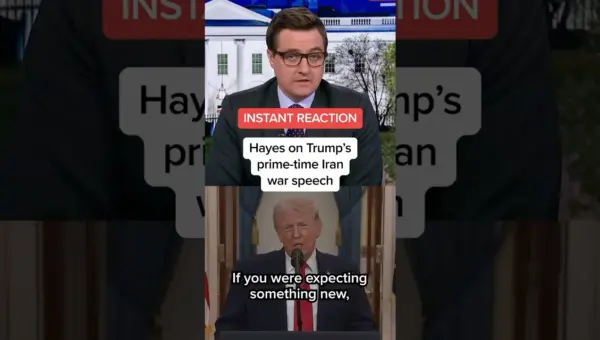
Chris Hayes fact-checked former President Donald Trump's recent prime-time address on Iran, questioning the accuracy of his claims about the Strait of Hormuz and the necessity of military action. Hayes argued that Trump's rhetoric oversimplified a complex geopolitical situation and could hinder diplomatic solutions, urging viewers to seek factual reporting.

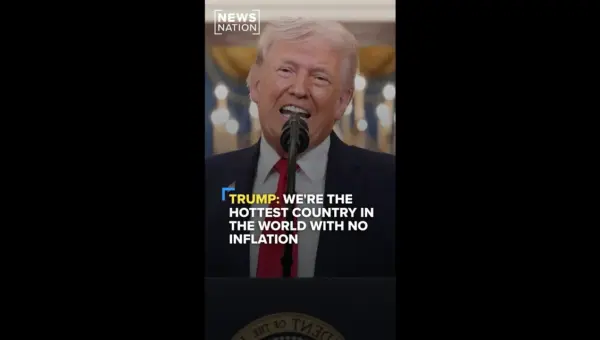
Claim: US Economy Is ‘Hottest’ With ‘No Inflation’
Donald Trump recently declared the U.S. economy the "hottest in the world" with "no inflation." He cited record investments and stock market highs as proof of his administration's success. This analysis examines his claims against economic data and historical context.