US Blockade Tightens on Iran Amidst Peace Talks
The U.S. has imposed a naval blockade on Iranian ports in the Strait of Hormuz, halting all ship traffic. Despite the military pressure, diplomatic talks facilitated by Pakistan are showing signs of progress, with both sides potentially meeting again next week. The U.S. strategy appears to be applying economic pressure, akin to waiting for Iran to "tap out" before offering incentives for a deal.

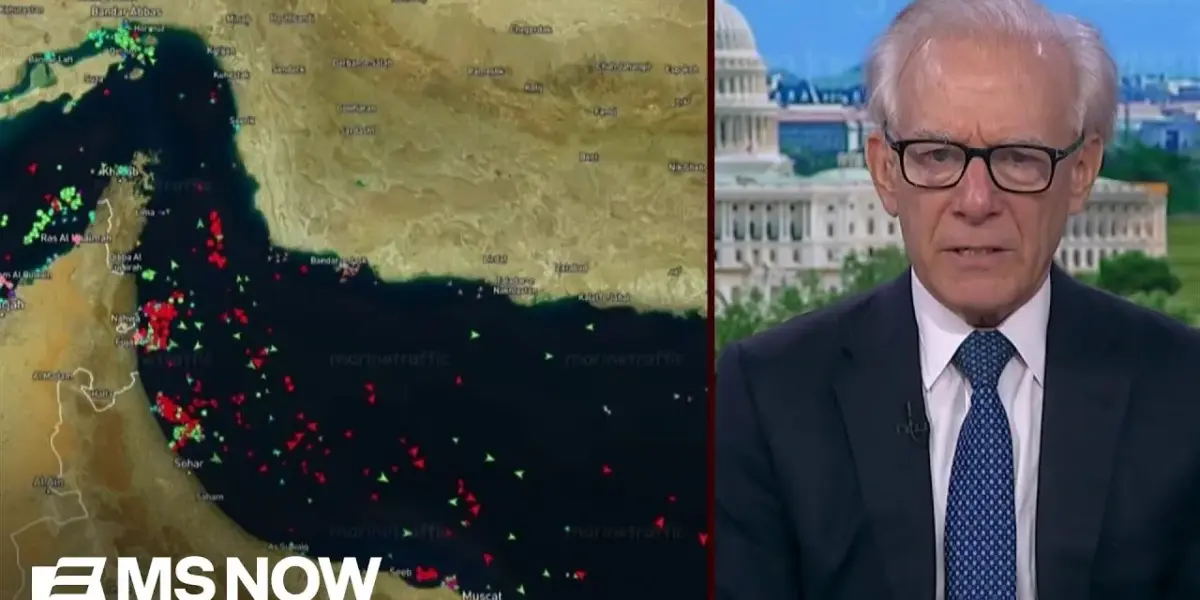
US Tightens Grip on Iran with Naval Blockade
The United States has initiated a naval blockade of Iranian ports along the Strait of Hormuz, a critical waterway for global oil trade. U.S. Central Command (CENTCOM) reported that the operation, which began Monday morning, has successfully prevented any ships from passing through. Nine vessels reportedly turned back within the first 48 hours after receiving warnings from U.S. forces.
CENTCOM released audio recordings of the warnings issued to approaching ships. The messages clearly stated that attempting to breach the blockade would result in boarding, interdiction, and seizure of vessels. U.S. Navy forces are prepared to use force to ensure compliance with the blockade, emphasizing that any vessel transiting to or from an Iranian port must turn around and prepare for inspection.
Signs of Optimism in US-Iran Negotiations
Despite the military pressure, diplomatic efforts to de-escalate tensions with Iran are showing signs of progress. Senior Pakistani officials have indicated that a second round of talks between the U.S. and Iran is likely to occur next week. Pakistan, which has been a key mediator, is expected to host these discussions once again.
A White House official confirmed that future talks are under discussion, though no specific date has been set. This follows a high-level meeting in Islamabad between Pakistan’s Army Chief and Iran’s Foreign Minister, aimed at easing tensions. White House Press Secretary Caroline Levitt expressed cautious optimism, stating, “We feel good about the prospects of a deal.”
Trump’s Strategy: The “Tap Out” Approach
Veteran journalist David Ignatius described President Trump’s strategy as a form of negotiation where he simultaneously plays both “good cop” and “bad cop.” He believes the U.S. blockade is a low-risk, high-reward tactic designed to put time on America’s side, rather than Iran’s. This approach aims to create an economic chokehold, similar to a fighter in mixed martial arts (MMA) applying a submission hold.
“Donald Trump is waiting for Iran to tap out,” Ignatius explained, suggesting that the U.S. is prepared to offer significant economic aid and other incentives once Iran agrees to terms. This strategy is intended to guide Iran toward a future where it behaves more like other modern Gulf states.
“President Trump continues to negotiate in this way where he plays both good cop and bad cop at the same time. And it’s sometimes confusing. He’s adding even more force to the Middle East at a moment where it’s clear he wants to get the exit ramp from military action.”
Iran’s Internal Dynamics and Economic Pressure
Ignatius highlighted that while there has been a leadership change in Iran, true regime change has not occurred. The current top leader, described as pragmatic, has reportedly faced significant domestic opposition to deals with the West. The internal political situation in Tehran remains opaque to outsiders.
However, the U.S. administration believes they are close to a deal that would significantly curb Iran’s nuclear program and integrate the nation into the global community. The economic pressure from the blockade is seen as crucial, as Iran desperately needs revenue. The U.S. views Iran as having been in a “military version of COVID,” with little economic activity.
Market Resilience Impacts Negotiations
The resilience of global financial markets has played a role in strengthening the White House’s negotiating position. Iran may have anticipated that holding the Strait of Hormuz hostage would cause significant market disruption and pain for President Trump. Instead, stock markets have reached record highs, and oil prices have remained relatively stable, hovering at or below $100 per barrel.
This market stability effectively devalues Iran’s primary economic weapon. By imposing its own blockade, the U.S. has shifted the problem to Iran, which has a limited window to secure needed revenue. This economic reality is a key factor driving the optimism within the White House.
Broader Geopolitical Context and Future Outlook
The U.S. military operation has achieved many of its initial objectives, though there have been some tragic mistakes. Alongside the military actions, the blockade has been a significant political move, seemingly shifting the regional dynamic. Allies in the Gulf region have noted that this action leaves Iran with little choice but to engage in serious negotiations with the United States.
While the war remains unpopular domestically, the success of the blockade is seen as a positive development. A potential ground assault, which was considered a riskier option for President Trump’s political standing, appears less likely for now. The focus remains on the economic pressure exerted by the naval blockade.
What to Watch Next
Attention will be on whether Iran agrees to further talks and what terms might be discussed. The duration of the blockade and its continued impact on global oil markets will also be closely monitored. The U.S. administration’s ability to secure a deal that caps Iran’s nuclear program and promotes regional stability remains the central objective.
Source: David Ignatius: Trump is waiting for Iran to tap out when it comes to blockade (YouTube)

Related Articles
US Navy Blockades Iran, Offers Deal Amid “Operation Epic Fury”
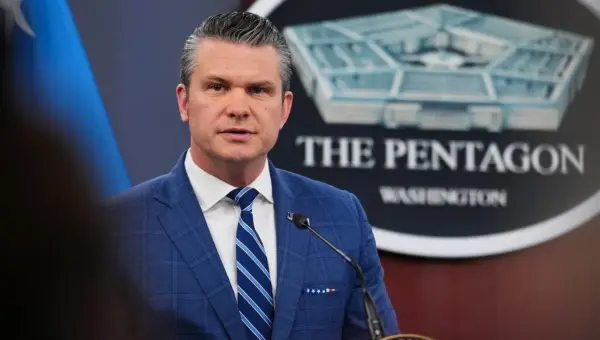
The U.S. Navy has initiated a blockade of Iran's ports and coastline as part of "Operation Epic Fury," aiming to pressure the regime into accepting a deal. The operation involves thousands of personnel and numerous vessels, supported by Treasury's "Operation Seamless" to cut off financial aid. Iran faces a choice between a peaceful future or severe consequences.
US Navy Enforces Strict Blockade on Iran Amidst Operation Epic Fury
The Pentagon has provided a detailed update on Operation Epic Fury, highlighting the ongoing U.S. naval blockade of Iran. Officials issued stern warnings to Iran's leadership regarding military disparities and the consequences of non-compliance. Alongside military pressure, Operation Economic Fury aims to maximize economic sanctions against the nation.
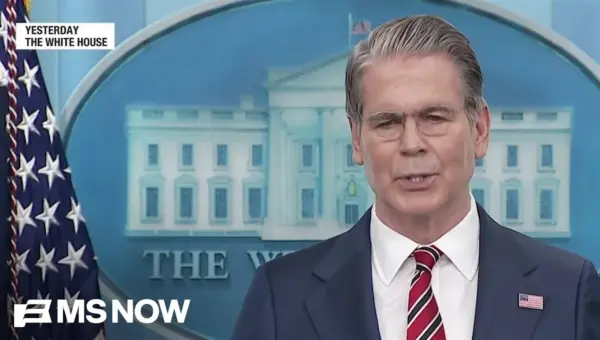
US and Iran Edge Toward Peace Talks Amidst Tensions
United States and Iran are reportedly nearing a second round of peace talks, with Pakistan mediating the discussions. This diplomatic push occurs amidst a U.S. naval blockade of Iranian ports and ongoing economic pressure. While signs of optimism emerge, significant tensions and domestic political considerations remain.