Trump Claims Iran Blockade Success Amidst Talks Uncertainty
President Trump asserted that the U.S. blockade on Iran has been a "tremendous success" amid uncertainty surrounding potential peace talks. While claiming Iran has violated a ceasefire and that the U.S. has militarily "won the war," intelligence assessments and actions on the ground suggest a more complex reality.

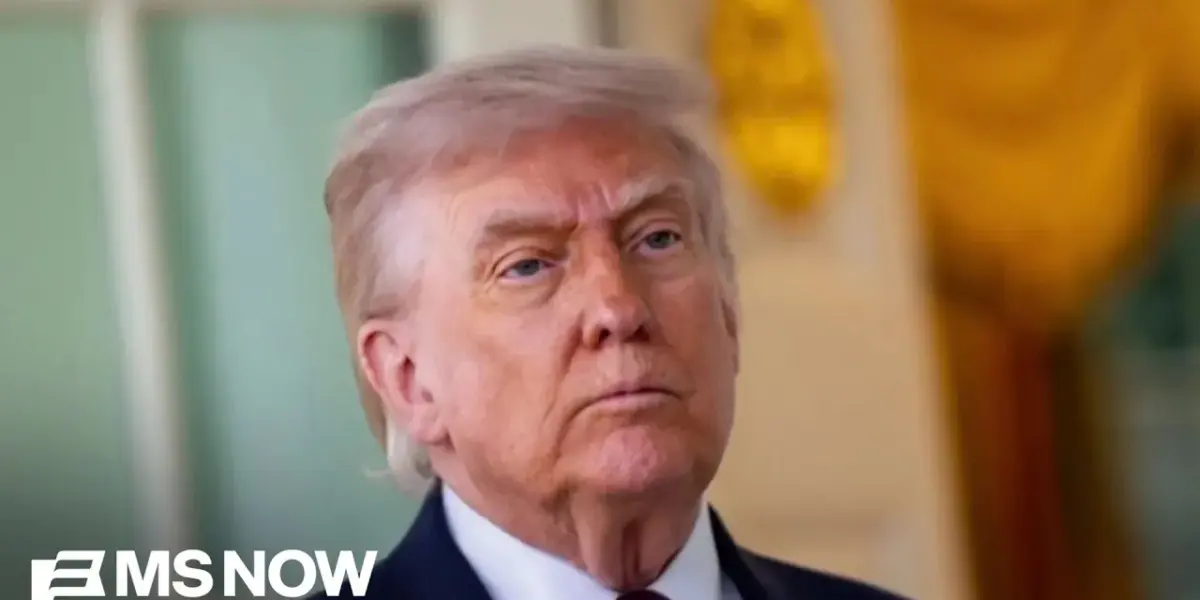
Trump Asserts Iran Blockade Success Amidst Shifting Talks
Uncertainty surrounds potential new talks between Iran and the United States as a two-week ceasefire nears its end. Vice President J.D.
Vance is expected to participate in these negotiations, reportedly held again in Pakistan. A foreign diplomat in Tehran, close to the discussions, told MSNBC that an Iranian delegation, including the country’s parliamentary speaker and foreign minister, would travel to Islamabad for talks today, but only if Vance is present.
President Trump weighed in on the situation via social media, stating that Iran has violated the ceasefire multiple times. This comes shortly after the Defense Department announced that U.S. forces had boarded an oil tanker previously sanctioned for smuggling Iranian crude oil in Asia. In a separate interview on CNBC, President Trump discussed the potential peace talks.
Trump’s Stance on Negotiations and Military Strength
During the CNBC interview, President Trump expressed confidence in reaching a favorable agreement. “We’re going to end up with a great deal,” he stated, adding that Iran has “no choice” but to negotiate. He detailed his administration’s actions, asserting, “We’ve taken out their navy, we’ve taken out their air force, we’ve taken out their leaders.”
While acknowledging that removing leaders complicates matters, Trump characterized the current Iranian leaders as more rational. He described his indirect approach as achieving regime change, something he hadn’t initially stated as a goal but felt he had accomplished. Trump believes the U.S. is in a strong negotiating position, capable of doing what other presidents should have done over the past 47 years.
“The blockade has been a tremendous success. They said two days ago, we will open the strait. I said, no, we’re not going to open the strait.”
He specifically highlighted the success of the blockade, contrasting it with Iranian claims about opening the Strait of Hormuz. Trump firmly stated, “We totally control the strait,” addressing what he called “fake news.”
Ceasefire Deadline and Negotiation Strategy
The deadline for the current ceasefire is tomorrow. When asked about extending the ceasefire if talks show progress, Trump indicated he was not inclined to do so, citing time constraints. He noted that both parties have just received approval to proceed with negotiations, suggesting they had no other option.
Trump believes Iran can regain a strong position by making a deal. He described the Iranian people as incredible but suggested their leadership is “bloodthirsty” and led by “very, very unfortunately tough people,” implying this toughness is detrimental. He stressed the need for reason and common sense, stating that Iran could become a great, legitimate country not based on death.
Concerns Over Iranian Leadership and Military Actions
Regarding potential Iranian threats to bridges and the electric grid, Trump acknowledged these but felt the regime might not care about the consequences. He noted that such actions would hurt some of the people the U.S. aims to protect, making it a last resort. However, he also stated these actions would hurt Iran militarily, as they use bridges for weapons and missile movements.
When pressed about resuming bombing if a deal isn’t reached by tomorrow, Trump stated, “I expect to be bombing, because I think that’s a better attitude to go in with.” He asserted that the U.S. military is ready and has “totally won the war” militarily. He claimed that if the U.S. left now, it would take Iran 20 years to rebuild, and their nuclear program was obliterated by B-2 bombers.
Fact-Checking Trump’s Claims
Several of President Trump’s statements from the interview have been subject to fact-checking. U.S. intelligence assessments suggest Iran’s new leaders are actually more hardline than their predecessors, contrary to Trump’s claim of them being more reasonable. While the U.S. maintains a naval blockade, Iran has demonstrated significant influence over the Strait of Hormuz, including firing on vessels attempting to cross recently.
Trump’s assertion that he would have won the Vietnam War if he had been president was also noted. White House correspondent Jeff Mason, who interviewed Trump the previous day, confirmed that much of what Trump said on CNBC echoed their conversation. Mason observed that Trump expressed an optimistic tone regarding negotiations but also indicated he was “not in a rush to get a deal,” a shift from previous White House sentiment that a deal was nearly done.
Shifting Dynamics and Political Considerations
Mason also noted that Trump repeated his stance on not opening the Strait, which he sees as not lifting the blockade. The situation presents a complex picture, with Trump claiming victory while Iran appears to maintain control over the Strait of Hormuz and has not undergone regime change. The ongoing negotiations in Pakistan, potentially involving Vice President Vance, aim to extend the current ceasefire.
The effectiveness of Trump’s messaging strategy, which often relies on assertive statements, is being tested. While his claims have sometimes swayed public opinion, Iran has directly fact-checked him in real-time through various media. The uncertainty surrounding the talks continues, with mixed messages from Iran and President Trump’s strong pronouncements.
Political Stakes and Future Outlook
The conflict carries significant political risk for President Trump, particularly concerning high gasoline prices and their potential impact on Republican candidates in upcoming midterm elections. Trump is reportedly eager to end the conflict but is also determined not to accept a “bad deal,” as this is central to his identity as a dealmaker. He has previously shown concern about political fallout, such as quickly refuting claims that gas prices would remain high.
Mason noted that any suggestion of Iran having more leverage than the U.S. agitated the President. Those around Trump are reportedly concerned about the political implications and are closely monitoring public opinion and polling data. As the ceasefire deadline approaches, the prospect of a deal remains uncertain, with analysts suggesting a ceasefire extension is likely but a long-term agreement is less probable.
Source: 'The blockade has been a tremendous success': Trump weighs in on Iran (YouTube)

Related Articles

Senate Hearing Uncovers ‘Arctic Frost’ Allegations
A Senate Judiciary Committee hearing delved into allegations of 'Operation Arctic Frost,' a supposed government campaign targeting former President Trump and the Republican party. New documents and witness testimony fueled claims of lawfare and the weaponization of federal powers, while opposing views defended the investigations as legitimate responses to election-related events.
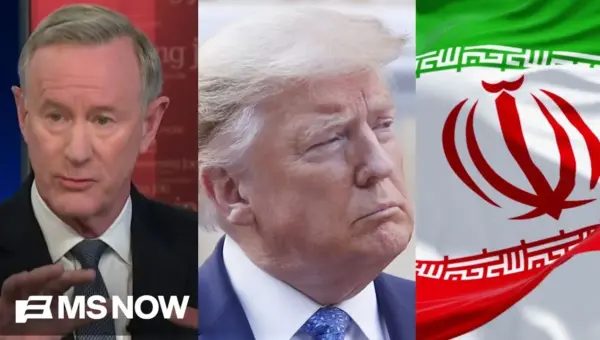
Admiral McRaven: US Not Better Positioned on Iran
Admiral William H. McRaven expressed doubts about the U.S. strategic position on Iran, questioning if recent actions have improved the situation. He highlighted the ongoing threat posed by Iran and suggested diplomacy as the most viable path forward. McRaven also discussed his new book, emphasizing the enduring American spirit and the importance of individual action.
Oil Prices Pressure Trump Ahead of Midterms
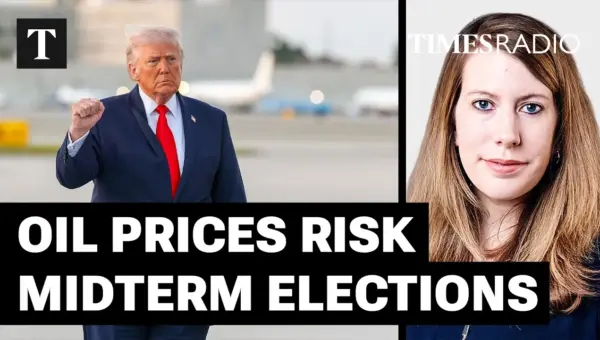
Rising oil prices are creating political pressure for Donald Trump as the November midterm elections approach. The ongoing conflict in Iran is impacting the global economy, raising concerns about the cost of living for American voters. Meanwhile, Trump has also commented on UK politics, criticizing Prime Minister Keir Starmer's choice of ambassador.