Oil Prices Pressure Trump Ahead of Midterms
Rising oil prices are creating political pressure for Donald Trump as the November midterm elections approach. The ongoing conflict in Iran is impacting the global economy, raising concerns about the cost of living for American voters. Meanwhile, Trump has also commented on UK politics, criticizing Prime Minister Keir Starmer's choice of ambassador.

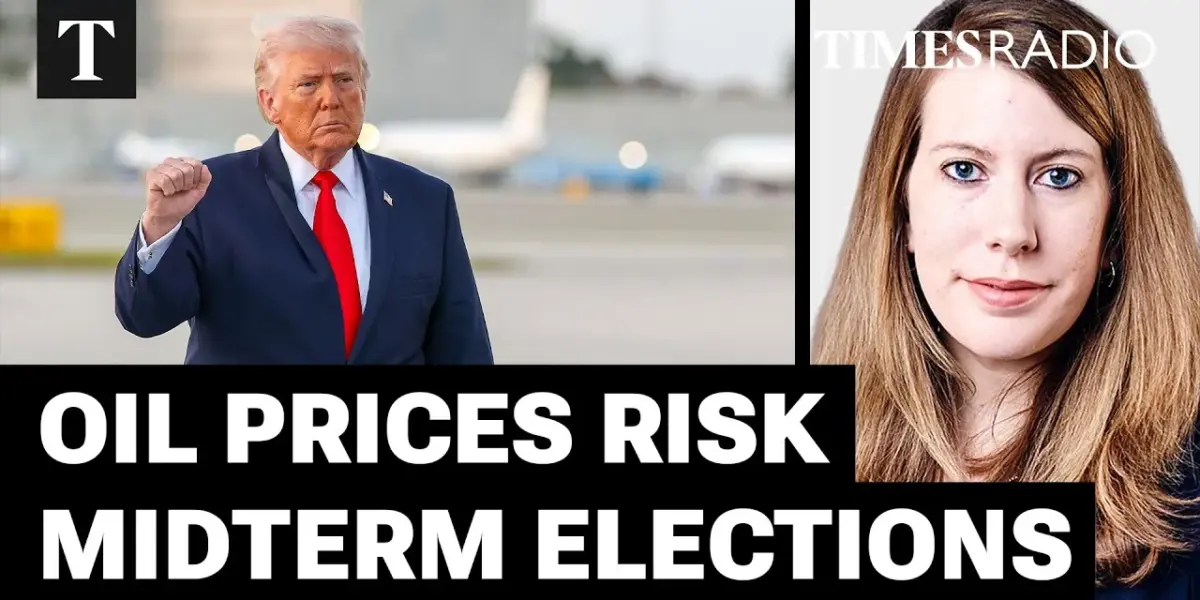
Oil Prices Threaten Trump’s Midterm Hopes
As Donald Trump faces a critical deadline for Iran to agree to a ceasefire, neither side shows signs of backing down. Iran’s tough talk suggests Trump may also dig in, rather than compromise.
While negotiations are expected to happen in Pakistan, the exact details and timing remain unclear. This uncertainty, fueled by strong rhetoric from both sides, creates a tense atmosphere.
Despite the appearance of impending breakdown, Trump’s administration has a history of navigating such high-stakes negotiations. Sources indicate the President wants the conflict to end sooner rather than later. However, the global impact of the conflict, particularly on oil prices, is adding significant pressure.
Economic Fallout Hits Home
While Trump might claim the oil price issue is more of a problem for other countries, the impact on the U.S. economy is what truly concerns him. Figures close to the administration believe the rising cost of oil is a major political challenge, especially with the November midterm elections approaching. If the conflict drags on for months, voters may hold the White House responsible for the rising cost of living.
Democrats have been campaigning on affordability, and Republicans hoped to present a narrative of economic recovery. The ongoing conflict in Iran makes this message harder to deliver. The war complicates the administration’s efforts to show that the economy is improving.
Risk of Escalation Looms
If Iran does not agree to a ceasefire, a return to high-intensity conflict could be politically damaging for Trump. The U.S. faced limited public support for the war initially, and there was no significant “rally around the flag” effect afterward. While some supporters still trust Trump’s judgment, a full-blown war, potentially involving U.S. troops, would be difficult for his base to accept.
The longer the conflict continues, the greater the risk of complications, such as a hostage situation, similar to the recent rescue of two U.S. service members. This adds to the pressure on Trump to find a resolution quickly, both from an economic standpoint and from his political base.
Trump Weighs in on UK Politics
Amidst the international tensions, Donald Trump also commented on UK politics, criticizing Prime Minister Keir Starmer’s choice of ambassadors to Washington. Trump suggested that Starmer made a poor decision in selecting his representatives.
This public commentary highlights a perceived rift, even between figures who were once thought to be allies. The appointment of Peter Mandelson as ambassador was intended to build strong ties, but Trump’s remarks suggest this relationship has soured.
Confusion Over UK Ambassador Appointment
There appears to be confusion surrounding the appointment of the UK’s ambassador to Washington. Initially, there was pushback from the White House regarding Peter Mandelson’s potential role, with some figures preferring Dame Karen Pierce to remain. Reports suggest that individuals close to Donald Trump expressed a preference for Pierce.
Chris Zitus, a co-chair of Trump’s presidential campaign, publicly stated that Mandelson was a poor choice, implying that Pierce should have been kept on. This indicated that the Trump administration harbored suspicions about Mandelson’s suitability from the outset.
Mandelson’s Tenure and U.S. Relations
Despite initial reservations, Peter Mandelson eventually took up his post in Washington D.C. He reportedly worked hard to establish connections within the administration. Trump’s comment about liking Mandelson’s accent during discussions about a UK-U.S. trade deal seemed to ease relations.
While some in the administration may not have personally favored Mandelson, they acknowledged his effectiveness in his role. His tenure saw progress on issues like the Chagos Islands deal and a tech partnership, though the latter eventually collapsed. Mandelson was seen as adept at applying pressure behind the scenes, maintaining a decent working relationship with figures like Scott Besson, although communication has reportedly decreased since Besson’s departure.
Starmer’s Political Gamble Backfires
Keir Starmer’s decision to appoint a political figure like Mandelson, rather than a career civil servant, was a calculated risk. Starmer likely believed that someone with Mandelson’s deal-making experience and political background was necessary to effectively engage with the Trump administration. However, this strategy appears to have backfired significantly for Starmer.
Many observers at the time believed that having a political appointee in such a role offered advantages over a traditional diplomat. This approach to diplomatic appointments is where the current controversy seems to have originated.
Epstein Scandal’s Limited Impact in Washington
Despite the ongoing revelations surrounding Jeffrey Epstein and his associates, there seems to be a notable lack of significant fallout in Washington. This is surprising, given the President’s past ties to Epstein and questions surrounding the First Lady’s relationship with him.
Concerns within the White House regarding Peter Mandelson’s appointment were reportedly more focused on potential links to China and other business dealings, rather than the Epstein connection. This suggests that the Epstein scandal, while significant, has not been the primary driver of political consequences in the U.S. in the same way it has elsewhere.
Differing Standards for Scandal
The differing reactions to scandals in the U.S. and the UK are striking. For instance, Howard Lutnick, the trade secretary, faced scrutiny after a misleading interview about cutting ties with Epstein. Files revealed he visited Epstein Island after claiming to have ended contact, yet he remains in his position.
In contrast, some U.S. officials, like Democratic Congressman Ro Khanna, believe the UK has been more proactive in pursuing consequences for those involved in the Epstein affair. Khanna, a key figure in the Epstein Act, has suggested that the U.S. has a different threshold for what constitutes a career-ending scandal.
Source: Oil Prices Threaten To Lose Trump Midterms | Katy Balls (YouTube)

Related Articles
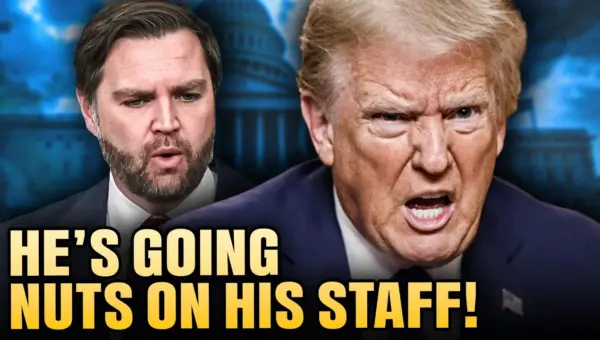
Trump’s ‘Manly’ Cabinet: A Clown Show of Insecurity
Donald Trump reportedly criticizes his cabinet for not being "manly enough," a focus on appearance over competence that breeds insecurity and hinders effective governance. This obsession with superficial traits highlights a deeper problem of unqualified individuals struggling to perform their duties.
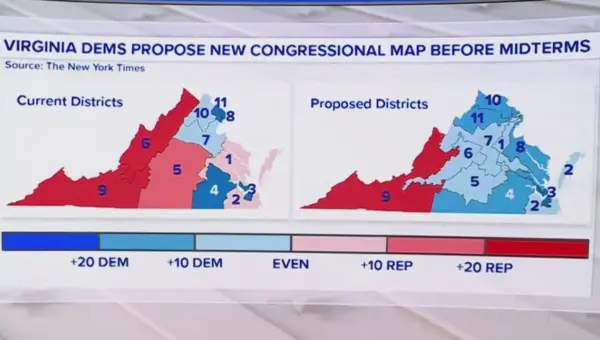
Gerrymandering Battle Heats Up: Virginia Vote Could Shift Power
Virginia Democrats are pushing for a vote on a new congressional map that could shift political power. This redistricting effort is part of a larger national strategy by both parties to gain an advantage. The practice, however, raises concerns about increased partisanship and its impact on democracy.
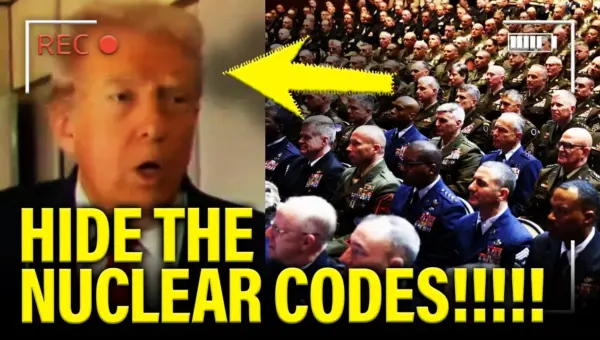
Generals Block Trump from Nuclear Codes Amidst Global Tensions
A report claims top generals blocked Donald Trump from accessing nuclear codes, citing his erratic behavior. This alleged incident, coupled with Trump's controversial statements on resuming nuclear testing, raises serious concerns about national security and global stability.