Trump Allies Panic Over Polls, Try Damage Control
Top Trump allies are reportedly panicking over falling poll numbers and are holding secret meetings to strategize damage control. This comes as the party grapples with unpopular legislation and rising gas prices, while legal challenges and Democratic investigations add to the pressure.

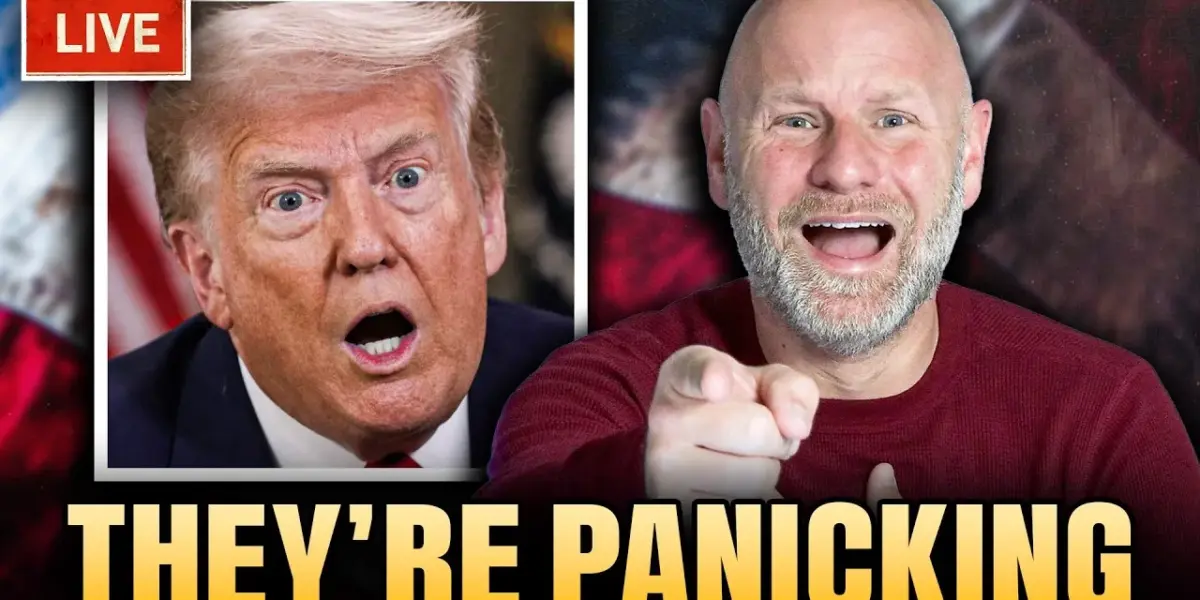
Trump Allies Panic Over Polls, Try Damage Control
Recent events show top figures in Donald Trump’s circle scrambling to manage public perception. White House Chief of Staff Susie Wilds called a secret meeting with about 30 Republican strategists. The goal was to discuss strategy for the upcoming midterm elections.
The meeting, described as a “super secret private meeting,” did not include Donald Trump himself. However, Wilds’s aim was clear: to boost support and control the narrative. She urged attendees to present a united front, warning that a failure to do so could lead to Democratic victories and even another impeachment attempt.
The “Big Red Panic Button”
The Daily Beast characterized the situation as Trump’s team hitting a “big red panic button.” This suggests a growing concern over Trump’s standing with the American people. The meeting appears to be an effort to spin negative outcomes and make unpopular decisions more acceptable to voters.
The core issue, as suggested by the analysis, isn’t just the consequences of policies. It’s also about the leader himself. The argument is that without addressing Trump’s personality traits, like narcissism, any strategy will likely fail.
Renaming Unpopular Legislation
Another point of contention is the naming of a major piece of legislation. Republicans had quietly renamed the “One Big Beautiful Bill Act” to the “Working Families Tax Cut Bill.” This change was an attempt to make the law more appealing to voters.
However, Donald Trump continues to refer to it by its original, unpopular name. This habit frustrates Republican lawmakers who believe the new name better reflects their goals. The original bill is widely disliked, with reports suggesting it negatively impacted low-income Americans and cut essential services.
Gas Prices and Public Blame
Rising gas prices are a significant concern for voters. When the Energy Secretary suggested prices would remain high through the year, Donald Trump publicly disagreed, calling his own secretary an “idiot.” Trump insisted gas prices were cheap and would get cheaper.
The analysis points out that oil prices are set on global markets, not just domestic production. Even with increased U.S. production, oil is often exported. Therefore, domestic drilling alone doesn’t guarantee lower gas prices for Americans.
Polls indicate that a majority of the public blames Trump for the rising cost of gasoline. This public sentiment is causing panic among his allies and staff. The situation is described as a major factor contributing to the Republican party’s disarray.
Legal Battles and Defamation Suits
Cash Patel, a former official, has filed a $250 million defamation lawsuit against The Atlantic. He is suing over a story that corroborated information from nearly a dozen FBI sources. The chosen lawyer for Patel, Jesse Benal, has a history of losing defamation cases.
Critics argue that Benal’s track record suggests a lack of success in similar legal battles. The lawsuit faces challenges, particularly regarding proving “actual malice” and demonstrating financial losses, which are key elements in defamation cases.
Democrats Seek Accountability
In a separate development, 11 Senate Democrats have sent a letter to the Pentagon. They are demanding answers from Defense Secretary Pete Hegseth regarding cuts to civilian harm prevention programs. They also question recent civilian deaths in Venezuela and Iran.
While Democrats currently lack the power to impeach Hegseth, these actions are seen as groundwork for future accountability. By gathering evidence now, they aim to be prepared for potential impeachment proceedings if they regain a majority in Congress next year.
Why This Matters
These events highlight a party in turmoil, struggling with public approval and internal divisions. The frantic damage control efforts suggest a deep concern about electoral prospects.
The continued focus on Trump’s personal actions and rhetoric, rather than policy substance, indicates a challenge in unifying the Republican base. The legal battles and the Democrats’ strategic pursuit of accountability suggest ongoing political conflict and potential repercussions.
Implications and Future Outlook
The upcoming midterms will be a crucial test for the Republican party. Their ability to present a cohesive message and regain public trust remains uncertain.
The legal challenges and the Democrats’ investigative approach signal a prolonged period of political and legal scrutiny for figures associated with the Trump administration. The effectiveness of these strategies will shape the political landscape moving forward.
Historical Context
The analysis draws parallels to past legislative battles and the complexities of global oil markets. The discussion of impeachment and the 25th Amendment also references historical precedents for removing a president from office.
The challenges faced by the current administration echo concerns about leaders with business backgrounds running countries. This raises questions about whether a focus on profit and cents can truly serve the needs of citizens.
Looking Ahead
The Democrats’ strategic move to gather information now, ahead of potential control of Congress, shows a long-term planning approach. If they regain a majority, they will be better positioned to act swiftly on investigations and potential impeachment.
The next steps involve continued public scrutiny of legislative impacts, ongoing legal proceedings, and the unfolding midterm election campaigns. The effectiveness of the Republican damage control efforts and the Democrats’ pursuit of accountability will become clearer in the coming months.
Source: Panicked Trump Aides Hold Secret Damage Control Meeting (YouTube)

Related Articles
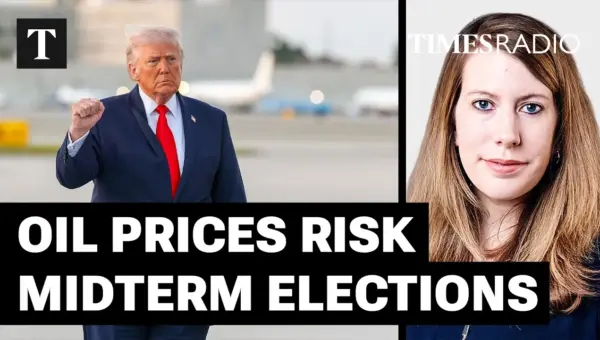
Oil Prices Pressure Trump Ahead of Midterms
Rising oil prices are creating political pressure for Donald Trump as the November midterm elections approach. The ongoing conflict in Iran is impacting the global economy, raising concerns about the cost of living for American voters. Meanwhile, Trump has also commented on UK politics, criticizing Prime Minister Keir Starmer's choice of ambassador.
Trump Uses Wartime Powers to Boost Energy
President Trump is using the Defense Production Act, a wartime law, to boost U.S. energy production and infrastructure. The move aims to ensure reliable, affordable, and secure energy, citing national security concerns amidst rising global energy prices.
Gerrymandering Battle Heats Up: Virginia Vote Could Shift Power
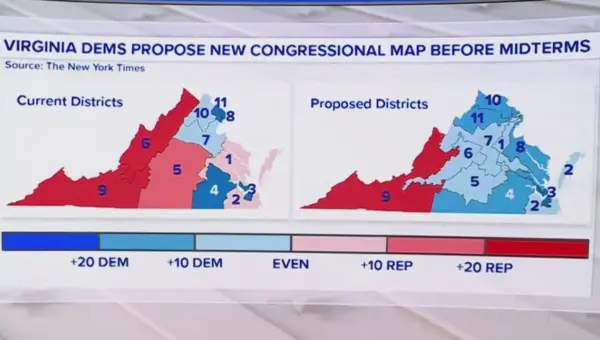
Virginia Democrats are pushing for a vote on a new congressional map that could shift political power. This redistricting effort is part of a larger national strategy by both parties to gain an advantage. The practice, however, raises concerns about increased partisanship and its impact on democracy.