Iran Talks Gain Leverage From Blockade
A U.S. blockade of Iranian oil exports is giving negotiators significant leverage in peace talks. The U.S. demands Iran abandon its nuclear program and cease actions in the Strait of Hormuz, with sanctions relief contingent on verifiable behavior change. China's role as a financial and technological supporter of Iran adds complexity to the situation.

Iran Talks Gain Leverage From Blockade
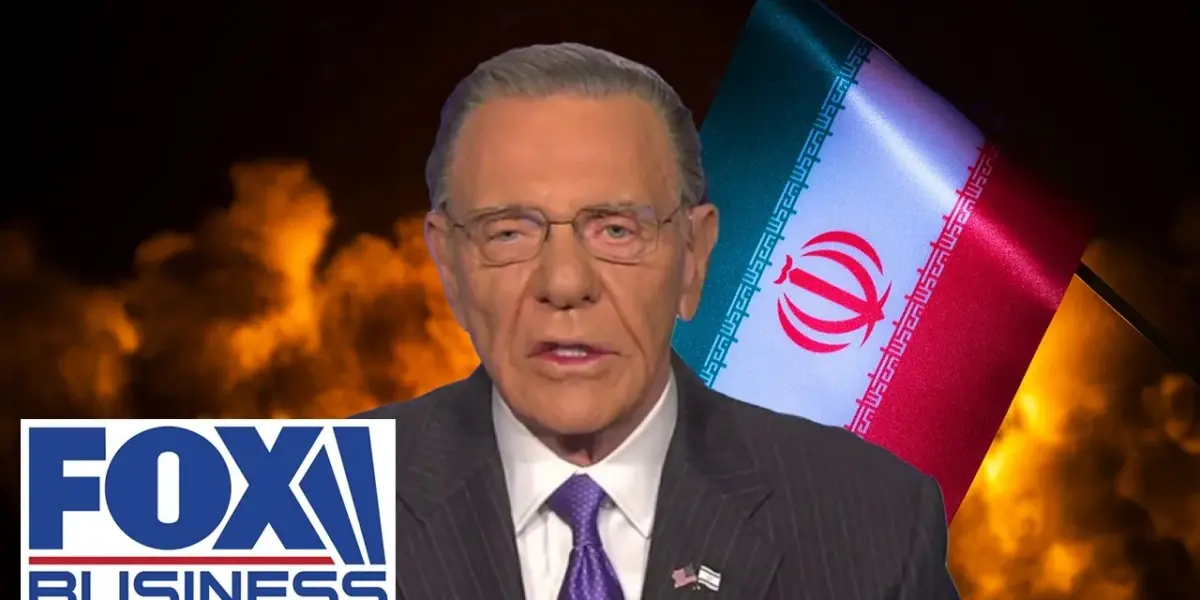
New peace talks between the United States and Iran are gaining traction, with a key U.S. strategy appearing to give negotiators significant leverage. A blockade of Iran’s oil exports, which began on April 13, has hit Iran’s revenue hard, impacting 80% of its income. General Jack Keane, a senior strategic analyst, highlighted this blockade as a “really significant” factor in the ongoing discussions.
The U.S. has also threatened to return to full combat operations if a deal isn’t reached, a move that would keep the blockade in place. This dual pressure – economic and military – is intended to push Iran towards making meaningful concessions.
The U.S. demands are clear: Iran must give up its enriched uranium and dismantle its ability to enrich it. Verification of these steps is a top priority for the United States.
U.S. Demands and Verification
The U.S. position is firm on preventing Iran from developing nuclear weapons. The core demand is a complete halt to any nuclear enterprise, meaning no uranium enrichment capabilities within Iran. For civilian nuclear power needs, Iran would need to obtain enrichment from another country, similar to other nations in the region.
Beyond nuclear concerns, the U.S. also wants Iran to publicly declare an end to its hold on the Strait of Hormuz. This waterway is critical for global oil transport. The U.S. is emphasizing that sanctions will not be lifted until Iran demonstrates a verifiable change in its behavior, a process expected to take time and require direct observation.
China’s Role and Concerns
China’s involvement is a significant point of discussion. U.S. intelligence suggests Beijing is providing Iran with advanced X-band radar systems, which could improve Iran’s ability to track threats. This technological support, coupled with China being the primary buyer of Iranian oil (about 90% of exports), makes China a key financial backer for Iran.
A recent incident involved the U.S. Navy seizing an Iranian cargo ship loaded with dual-use materials. These materials could be used in the production of ballistic missiles. President Trump reportedly sent a letter to China’s President Xi asking him not to send weapons to Iran, to which Xi responded he would not.
Market Impact and Investor Outlook
The blockade has already affected global oil and gas prices, though the full impact is still unfolding. For investors, the situation highlights the geopolitical risks in the energy sector. Iran’s ability to export oil is a major factor influencing global supply and prices.
The ongoing negotiations and the potential for a deal or a breakdown carry implications for regional stability and energy markets. If Iran agrees to dismantle its nuclear program and cease disruptive actions in the Strait of Hormuz, it could lead to a gradual easing of sanctions. This might allow Iran to re-enter global markets, potentially increasing oil supply over the long term.
Conversely, a failure to reach an agreement could prolong the blockade and increase tensions. This scenario might lead to further volatility in oil prices and heightened geopolitical risk premiums in financial markets. The U.S. administration’s stance suggests a willingness to maintain pressure until its demands are met, indicating a potentially prolonged period of uncertainty.
The next key date to watch is May 14, when further discussions are expected. The U.S. strategy appears focused on creating economic and military pressure points to achieve its objectives in the negotiations.
Source: Gen Jack Keane: That is REALLY significant (YouTube)

Related Articles
US and Iran Trade Mixed Signals Amid Peace Talk Hopes
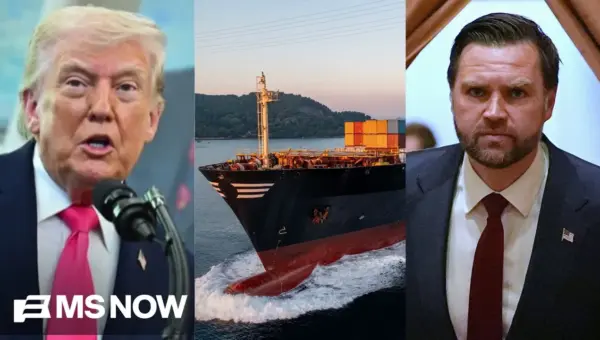
The United States and Iran are sending conflicting signals ahead of potential peace talks as a ceasefire deadline approaches. While some diplomatic channels appear open, escalating rhetoric from both sides creates uncertainty. Key issues on the table include the Strait of Hormuz and Iran's nuclear program, complicated by internal divisions and international concerns.

Trump’s Twitter Storm Fuels Iran War Fears
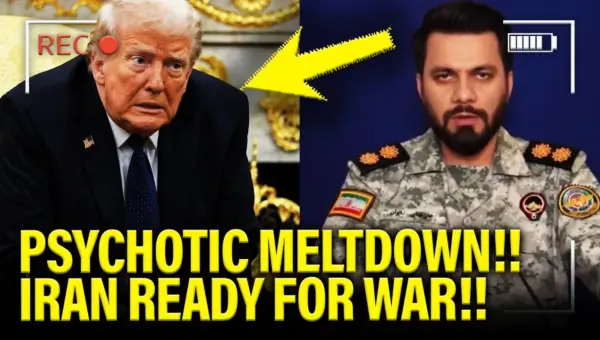
Donald Trump's late-night social media posts are fueling concerns about escalating tensions with Iran. Amidst unusual air traffic and diplomatic warnings from Iran, Trump's conflicting statements about military actions and negotiations create confusion and mistrust.
Ex-Official: Trump Risks War Crimes with Iran Threats
A former U.S. National Security official warns President Trump's threats against Iran risk war crimes and show a misunderstanding of the nation's government and people. The expert highlights the complexities of ongoing negotiations and the escalating situation around the Strait of Hormuz. A sustainable resolution is deemed necessary to avoid further economic fallout and potential conflict.