Hungary’s Media Dominance: Orban’s Soft Authoritarianism
Prime Minister Viktor Orban's government in Hungary has heavily influenced the media, a tactic described as "soft authoritarianism." While avoiding overt repression, this strategy saturates the information space with government propaganda, creating an uneven playing field for independent media and potentially facing public discontent.

Hungary’s Media Landscape Under Scrutiny
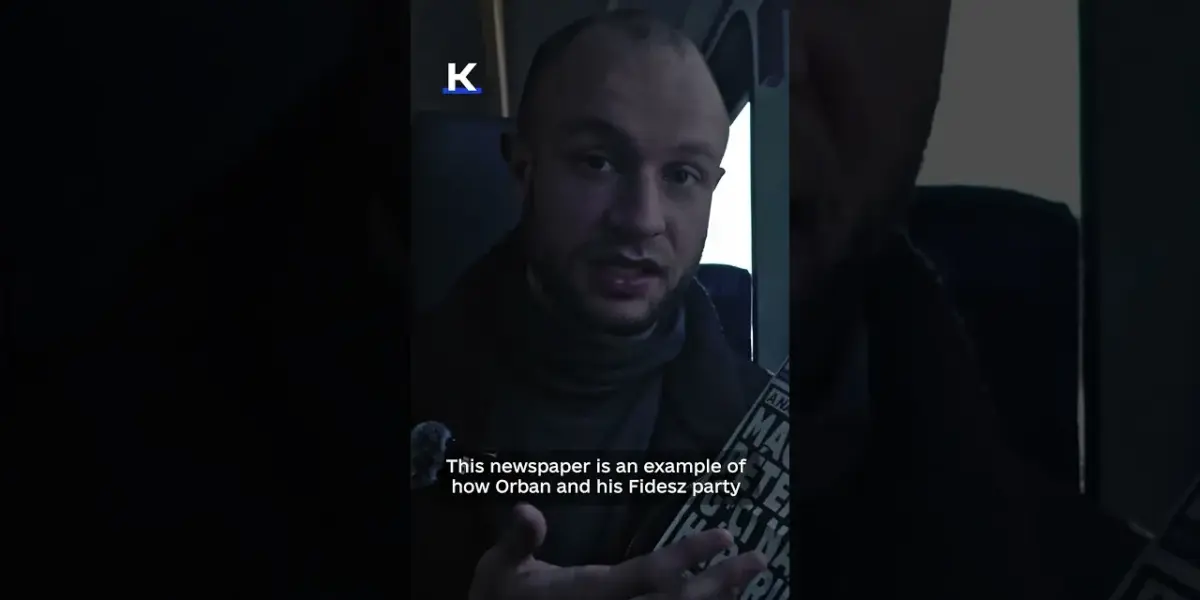
Hungary’s media environment presents a complex picture, marked by government influence and widespread propaganda. Recent observations from public transport reveal a media landscape heavily shaped by the ruling Fidesz party and Prime Minister Viktor Orban. This dominance is a key element of what some describe as Orban’s “soft authoritarianism.” The strategy avoids overt repression but establishes an uneven playing field for political discourse.
Free newspapers available on public transport offer immediate insight into the prevailing narratives. Headlines often reflect the government’s agenda, with one prominent example highlighting a focus on Hungarian families and the affordability of groceries and utilities. This emphasis serves to reinforce the government’s image as a protector of national interests and everyday citizens.
Orban’s Media Strategy Explained
Unlike traditional dictators who suppress opposition through arrests or violence, Orban’s administration has employed a different approach. While allegations of minor election irregularities exist, the primary tool for control has been the media. Independent and private media outlets have faced significant pressure, making it difficult for alternative viewpoints to gain traction.
The government’s strategy involves creating an information environment saturated with state-aligned messaging. This constant stream of propaganda aims to shape public opinion and maintain political power. The goal is to present a unified narrative that favors the ruling party’s policies and leadership.
The Impact of Government Propaganda
This strategy has resulted in a media ecosystem heavily dominated by government-backed content. Independent journalism struggles to compete with the resources and reach of state-influenced media. This creates a significant challenge for citizens seeking unbiased information and diverse perspectives on national issues.
The long-term effect is a public potentially exposed to a skewed version of reality. This can influence perceptions of government performance, corruption, and the overall direction of the country. The reliance on propaganda rather than open debate raises concerns about democratic health.
Public Dissatisfaction and Potential Change
However, the effectiveness of this strategy may be waning. When citizens experience mounting evidence of corruption or feel the negative impacts of government policies, propaganda can lose its persuasive power. Growing public dissatisfaction can lead to a reevaluation of the government’s narrative.
The transcript suggests that a point of saturation may be approaching. If the public perceives a disconnect between the government’s messaging and their lived experiences, the foundation of its control could weaken. This discontent is a critical factor in assessing the future of Hungary’s political and media landscape.
Strategic Implications
Orban’s approach to media control is a modern example of consolidating power without resorting to overt dictatorship. It highlights how control over information can be a potent tool in shaping a nation’s political trajectory. This method allows a government to maintain a veneer of democratic legitimacy while subtly influencing public discourse.
The strategy’s success hinges on the public’s continued acceptance of the official narrative. When citizens begin to question that narrative, particularly in the face of economic hardship or perceived corruption, the government’s information advantage diminishes. This dynamic is crucial for understanding potential shifts in Hungarian politics.
Historical Parallels
This situation draws parallels to other historical instances where governments have sought to control public opinion through state-sponsored media. In various regimes, the manipulation of information has been a consistent tactic to maintain power. However, the digital age presents new challenges and opportunities for both control and dissent.
The key difference today is the potential for information to bypass traditional gatekeepers. While Orban’s government dominates mainstream media, alternative channels and social media can still provide alternative perspectives. The battle for influence is now fought across multiple platforms.
The future of Hungary’s media landscape will likely depend on the public’s ability to access diverse information sources and critically evaluate the content they consume. The ongoing tension between government propaganda and independent reporting remains a central theme.
Source: Inside the vote that reclaimed Hungary’s future (YouTube)

Related Articles

Hungary’s Orbán Loses Kremlin Ally Amid EU Sanctions Probe
Hungary's alignment with Russia is under scrutiny following accusations of document shredding related to EU sanctions. This development, coupled with ongoing Russian influence efforts elsewhere in Europe, signals a potential setback for Moscow. Meanwhile, optimism surrounding Ukraine peace talks is tempered by strategic messaging and unresolved territorial disputes.
Hungary Ousts Putin Ally; Russia Loses Key EU Voice
Hungary's recent election saw Viktor Orban ousted after nearly two decades in power, sparking widespread celebrations and marking a significant shift in European politics. The outcome signals a potential loss of a key ally for Russia within the EU, with the new government promising a move away from pro-Russian policies and a crackdown on corruption.
Historian: Orbán Linked Putin and Trump, Weakening Democracy
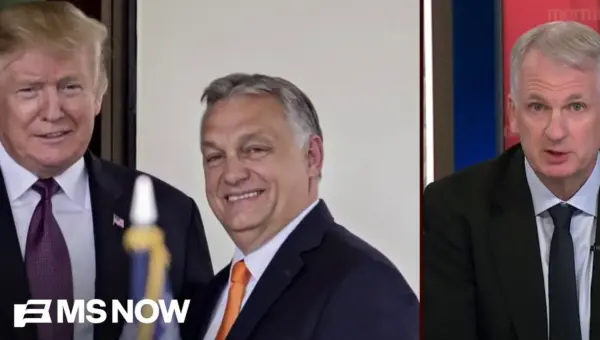
Historian Timothy Snyder warns that Viktor Orbán has played a key role in connecting Vladimir Putin and Donald Trump, strengthening international right-wing networks. Snyder criticizes Trump's rhetoric and argues that the U.S. is losing its moral standing on the world stage. He points to the recent Hungarian election as a potential model for combating corruption and defending democracy, but stresses the need for continuous citizen engagement.