Trump’s “Hyper-Masculinity” Hinders Iran Compromise
Former President Donald Trump believes a new deal with Iran is achievable, but "hyper-masculinity" and past actions like withdrawing from the JCPOA complicate negotiations. Meanwhile, the BBC is considering relaxing rules on mobile phone use at the Proms to attract younger audiences, sparking debate about tradition versus modern engagement.

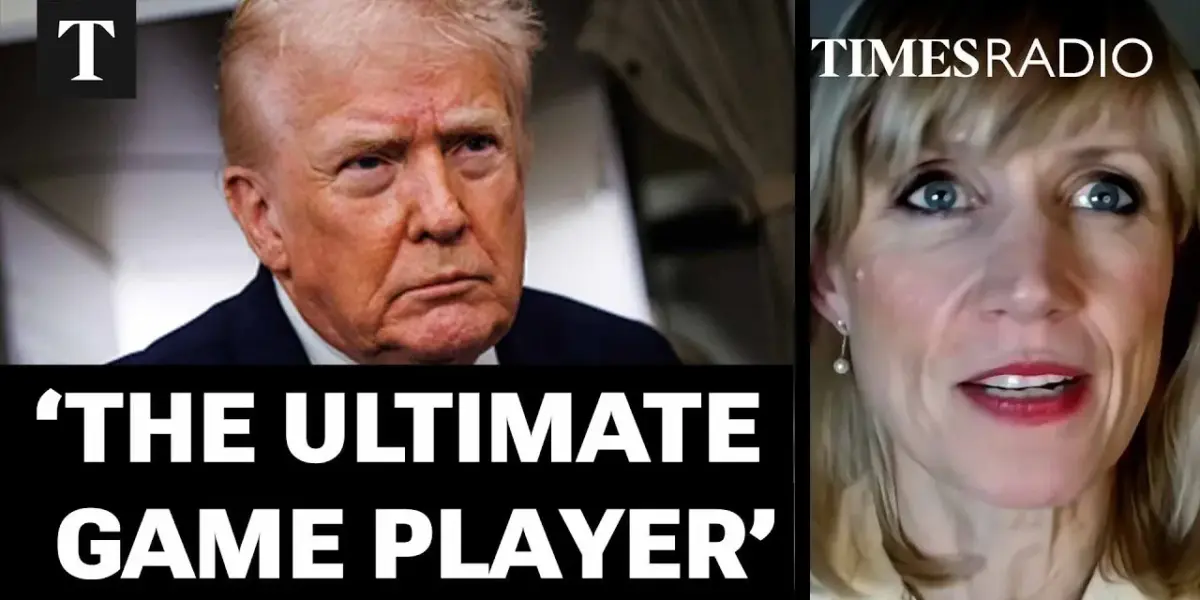
US-Iran Tensions Rise Amidst Diplomatic Stalemate
A potential deal with Iran is claimed to be within reach by former President Donald Trump, yet complex diplomatic challenges persist. Trump, who previously withdrew the U.S. from the Joint Comprehensive Plan of Action (JCPOA) in 2018, now suggests a new agreement could be finalized quickly and be far superior to the original deal. However, Iran remains unhappy with the blockade of the Strait of Hormuz and the recent seizure of an Iranian cargo ship, indicating a tense atmosphere ahead of potential talks.
The current U.S. administration is described as having “attention deficit disorder,” struggling to negotiate anything beyond a temporary ceasefire. This situation is exacerbated by a perceived era of “hyper-masculinity” in international relations, characterized by brinkmanship and a reluctance to engage directly. The analysis suggests a need for more nuanced, broad-based compromise, drawing a contrast with the perceived directness and decisiveness associated with monarchy.
The Shadow of the JCPOA and “Sunset Clauses”
A key concern for the Trump administration is avoiding an agreement that too closely resembles the old nuclear deal. Trump heavily criticized the JCPOA, particularly its “sunset clauses.” These clauses allowed certain restrictions on Iran’s nuclear program to expire over time. Trump argued that even if Iran adhered to the deal initially, these expiring provisions would eventually allow the country to pursue nuclear weapons.
The current discussions, potentially involving a time-limited moratorium on uranium enrichment, appear to echo the very criticisms Trump leveled against the original deal. This creates a complex situation where a proposed solution might be seen as a step backward by those who initially opposed the JCPOA.
Challenges to Reaching an Agreement
Both the U.S. and Iran face significant hurdles in reaching a lasting agreement. While both sides may desire an end to the current tensions, neither wants to appear weak or lose face. This is especially true for Donald Trump, who has built a political persona around strength and decisive action.
Adding to the complexity, Iran has not yet formally committed to attending talks. Meanwhile, the U.S. has reportedly moved additional aircraft carriers to the region, a move that could be interpreted as a show of force or a tactic to gain leverage. The situation remains fluid, with projections of potential developments within days.
The Role of Brinkmanship and Grandstanding
The diplomatic approach is often characterized by game-playing and brinkmanship. This involves delaying decisions until the last moment and projecting an image of indifference to pressure the other side. This strategy aims to make the opponent believe that one party is not desperate for a deal, thereby strengthening their negotiating position.
Statements from political figures can be difficult to interpret, as they often involve grandstanding and may not reflect the true intentions or possibilities. The outcome of negotiations often depends on observing actual actions, such as delegations arriving for discussions, rather than relying solely on public statements.
Iran’s Internal Dynamics and Large Delegations
Past negotiations, such as peace talks held in Pakistan on April 11th and 12th, have involved substantial Iranian delegations. One such delegation reportedly consisted of 80 people, with 30 designated as decision-makers. This large number suggests a complex internal decision-making process within Iran, where multiple voices and interests must be considered.
In contrast, U.S. delegations in similar talks have been much smaller, typically numbering between five and ten individuals. This disparity highlights potential differences in how each nation approaches diplomatic engagement and consensus-building.
Debate Over Mobile Phone Use at the BBC Proms
In a separate discussion, the BBC Proms boss, Sam Jackson, has suggested that audiences should be more relaxed about mobile phone use during performances. He argues that stricter rules risk alienating potential new attendees, and that classical music should embrace and celebrate all concert-goers, even those who may exhibit disruptive behavior like using phones or clapping between movements.
This proposal has sparked debate, with some finding it ironic given broader societal efforts to reduce screen time for young people. The idea of screens being more present in the formal setting of the Proms contrasts with the traditional audience, often perceived as older and more reserved. The discussion touches on generational differences and the potential for classical music to serve as a bridge between different age groups.
Differing Views on Phone Etiquette
While some believe that phone use and bright screens are inherently distracting in performance settings like cinemas, others see a strategic benefit. The argument is made that allowing phone use, particularly for younger audiences, can help spread awareness and generate excitement around events through social media sharing. This can create a sense of “contagion,” drawing more people, especially young people, to classical music events.
This approach aims to promote events and encourage self-promotion among attendees. It suggests a shift towards modern methods of engagement, recognizing that social media plays a significant role in how younger generations consume information and connect with cultural experiences.
Generational Divide and Cultural Adaptation
The debate over phone use at the Proms highlights a broader cultural adaptation happening within traditional institutions. The challenge lies in balancing the preservation of established etiquette with the need to attract new and diverse audiences. The question is whether relaxing rules around technology can help classical music remain relevant and accessible today.
Ultimately, the goal is to find common ground where different generations can connect through music. The effectiveness of such adaptations in bridging generational divides and fostering wider appreciation for classical music remains a subject of ongoing discussion and observation.
The next steps will involve observing whether the U.S. and Iran can move beyond brinkmanship and establish a formal dialogue, and how the BBC’s stance on mobile phone use at the Proms impacts attendance and audience perception.
Source: Trump’s Hyper-Masculinity Is Standing In The Way Of Compromise With Iran | Tessa Dunlop (YouTube)

Related Articles

Trump Claims Iran Blockade Success Amidst Talks Uncertainty
President Trump asserted that the U.S. blockade on Iran has been a "tremendous success" amid uncertainty surrounding potential peace talks. While claiming Iran has violated a ceasefire and that the U.S. has militarily "won the war," intelligence assessments and actions on the ground suggest a more complex reality.

Senate Hearing Uncovers ‘Arctic Frost’ Allegations
A Senate Judiciary Committee hearing delved into allegations of 'Operation Arctic Frost,' a supposed government campaign targeting former President Trump and the Republican party. New documents and witness testimony fueled claims of lawfare and the weaponization of federal powers, while opposing views defended the investigations as legitimate responses to election-related events.

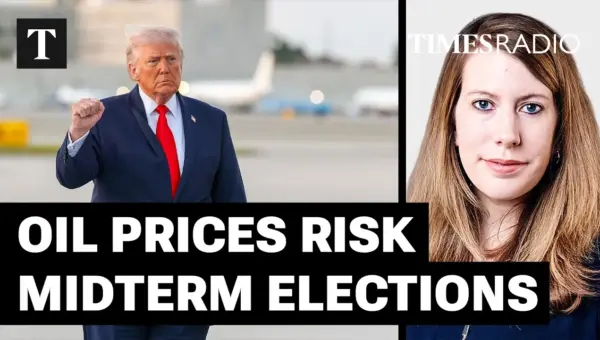
Oil Prices Pressure Trump Ahead of Midterms
Rising oil prices are creating political pressure for Donald Trump as the November midterm elections approach. The ongoing conflict in Iran is impacting the global economy, raising concerns about the cost of living for American voters. Meanwhile, Trump has also commented on UK politics, criticizing Prime Minister Keir Starmer's choice of ambassador.