Oil Prices Drop 11% As Trump’s Iran Strategy Succeeds
Oil prices plummeted 11% to $82 a barrel, defying predictions of a surge to $200. This market shift followed President Trump's successful strategy to reopen the Strait of Hormuz. Major stock indices like the S&P 500 and Nasdaq also reached record highs amid the positive developments.

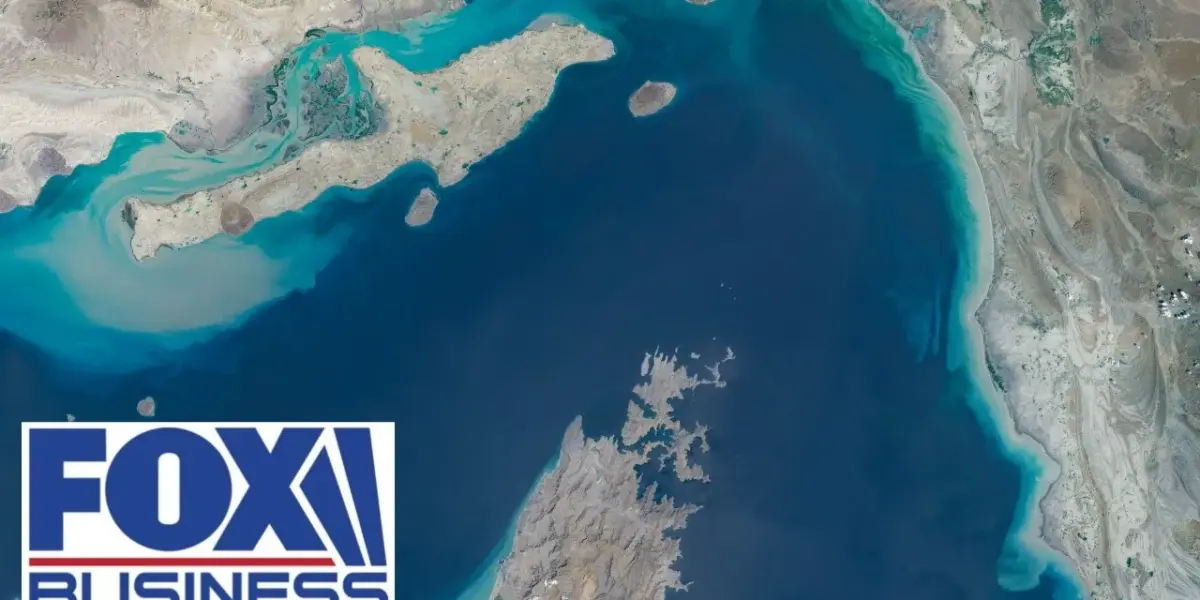
Oil Prices Tumble 11% as Trump’s Strategy Reopens Strait
Oil prices have seen a significant drop, falling about 11% to $82 a barrel. This market movement comes after initial concerns that the conflict in the Middle East could send oil prices soaring as high as $200 per barrel.
Analysts had warned that the closure of the Strait of Hormuz could cause the largest supply disruption in the history of the global oil market. However, a strategic move by President Trump appears to have reversed these dire predictions.
The International Energy Agency had previously highlighted the war in the Middle East as a major cause of supply disruptions. This situation was also linked to increased gasoline prices for American consumers.
Some critics had described the conflict as a “war of choice” that destabilized the region and cost American lives and resources. These concerns fueled fears of a major economic impact driven by oil price hikes.
Market Reacts Positively to Trump’s “Blockade” Strategy
The markets have responded favorably to President Trump’s approach, with major stock indices reaching new heights. The S&P 500 and the Nasdaq both hit record highs, while the Dow Jones Industrial Average closed up around 900 points. This surge in market performance is attributed by supporters to President Trump’s actions, which they claim have removed a major global supporter of terrorism and stabilized international oil markets.
Congressman Greg Steube, a U.S. Army veteran, stated that President Trump’s strategy worked “100%.” He believes this has led to the reopening of the Strait and a positive market reaction. Steube pointed to the removal of a key global supporter of terrorism as a significant achievement that no other president has managed in decades. He contrasted this with previous administrations, mentioning that Barack Obama provided billions of dollars to Iran, while Trump’s actions have curbed their ability to fund terror.
“Brilliant Play” on Iranian Ports
Brett McGurk, who has served under multiple U.S. presidents, described the blockade on Iranian ports as a “smart play.” He explained that Iran believed its leverage was increasing and that economic pressure would particularly affect President Trump. McGurk noted that Iran thought time was on its side to benefit from the situation.
By flipping the script and stating that Iranian ships would not be able to leave, President Trump applied significant pressure. This move aimed to prevent Iran from benefiting from any perceived advantage or disrupting global trade through the Strait of Hormuz. The strategy was designed to counter Iran’s expectations and create economic consequences for the nation.
Strait Reopens Under Strict Terms
The blockade is reportedly set to remain in place until President Trump’s terms are fully met. A key concern has been Iran’s enriched uranium program, which has the potential to create nuclear weapons. The possibility of preventing Iran from obtaining a nuclear warhead is a primary objective of this strategy.
There is also discussion about the potential for U.S. personnel to be present in Iran to oversee the extraction of its enriched uranium. Such an accomplishment, if achieved, would be seen as a historic feat. It would signify a drastic change in Iran’s global approach, which supporters believe would be highly beneficial for the United States and the Middle East.
Market Impact and Investor Takeaways
The recent drop in oil prices, a 11% decrease, provides immediate relief to consumers and businesses reliant on energy. This downward trend contrasts sharply with earlier predictions of prices exceeding $200 per barrel. The positive performance of major stock indices like the S&P 500, Nasdaq, and Dow Jones suggests growing investor confidence, potentially linked to perceived stability in energy markets and geopolitical developments.
For investors, the swift reversal in oil price predictions highlights the volatility and responsiveness of energy markets to geopolitical events and strategic actions. The market’s reaction suggests that a resolution or de-escalation of tensions, even through assertive measures, can lead to significant positive economic outcomes. The focus now shifts to whether the current terms for the Strait’s operation will hold and what the long-term implications will be for global energy supply and international relations.
The situation involving Iran’s nuclear program remains a critical point of attention. Any developments regarding the extraction of enriched uranium or the prevention of nuclear proliferation will likely have a substantial impact on global markets and geopolitical stability. Investors will be watching closely for further actions and statements from international leaders and energy agencies in the coming weeks.
Source: You are now seeing oil prices go DOWN: Rep Greg Steube (YouTube)

Related Articles
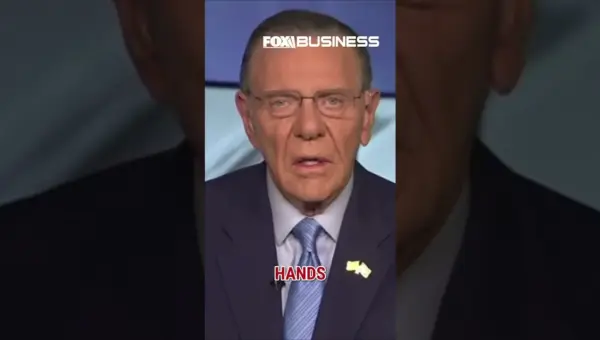
Iran’s Oil Blockade: US Seizes Economic Lifeline
The U.S. has implemented a blockade on Iran's oil exports, a move General Keane describes as placing the nation's economic viability in American hands. This strategy aims to cripple Iran's finances by cutting off its primary source of income. Investors are watching global energy markets closely for potential price volatility and shifts in geopolitical strategy.

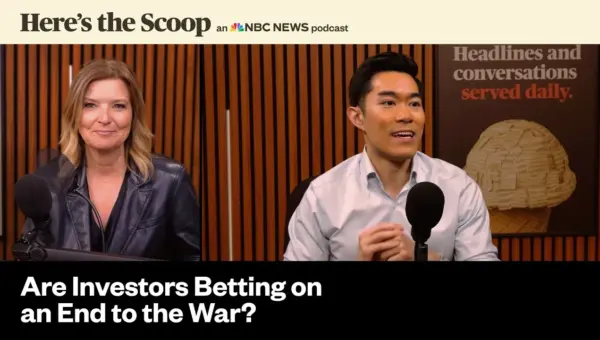
Stocks Surge as Iran Reopens Strait of Hormuz; Challengers Outraise Incumbents
Stock markets surged to record highs as Iran reopened the Strait of Hormuz, signaling an end to recent geopolitical tensions. However, consumers continue to face lingering economic pain from higher energy and goods prices. Meanwhile, within the Democratic Party, primary challengers are outraising incumbents, driven by a generational divide and a desire for new leadership ahead of the midterm elections.
Iran Deal Hinges on Strict Verification, Not Just Words
General Jack Keane stresses that any deal with Iran must prioritize strict verification over mere promises. He highlights Iran's history of deception and the need for unrestricted inspector access. The U.S. must maintain economic pressure and military readiness until all terms are met.