Iran Deal Hinges on Strict Verification, Not Just Words
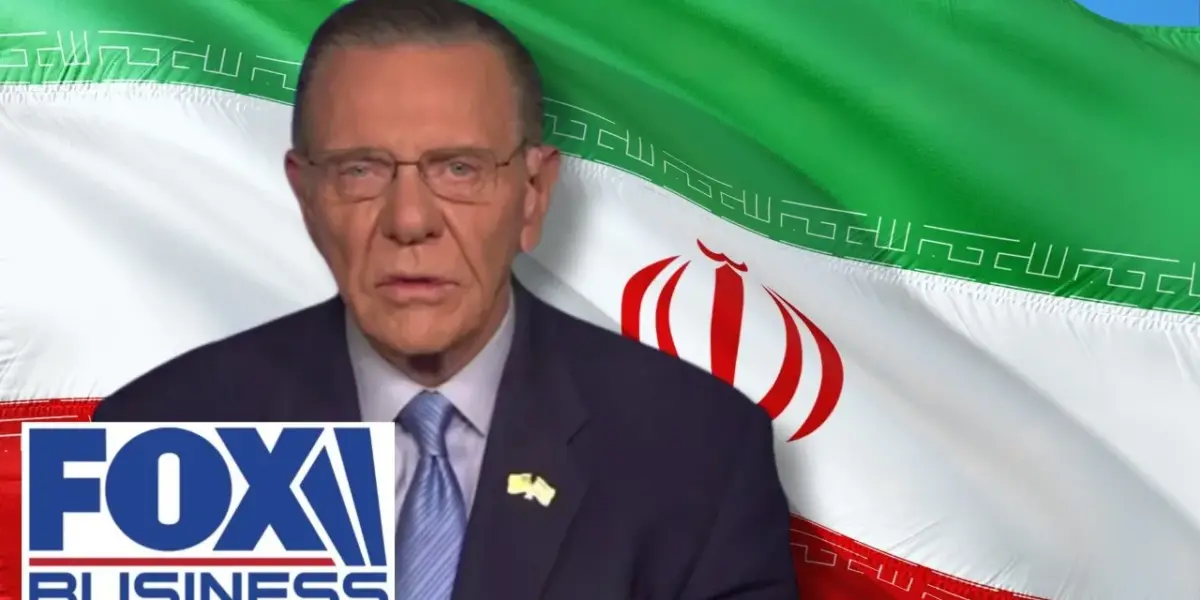
General Jack Keane stresses that any deal with Iran must prioritize strict verification over mere promises. He highlights Iran's history of deception and the need for unrestricted inspector access. The U.S. must maintain economic pressure and military readiness until all terms are met.

Iran Deal Hinges on Strict Verification, Not Just Words
The United States has placed Iran in a position of significant economic vulnerability by implementing a naval blockade. This action directly impacts Iran’s ability to distribute its oil, the lifeblood of its national economy.
General Jack Keane, a senior strategic analyst, noted that Iran is 100% dependent on oil revenue, making this blockade a powerful tool. While this puts the U.S. on a “very good path,” Keane urges caution due to a long history of distrust with Iran.
Iran has a 47-year history of making promises that differ from their actions. Keane emphasizes that negotiators must distinguish between what Iran says it will do and what it actually executes.
Iran’s past behavior shows a tendency to prolong negotiations, using ceasefires as a tactic to delay and complicate matters. The goal should be to push Iran to finalize agreements by a set deadline.
Verification is Key
A critical component of any agreement with Iran must be a robust verification process. This means granting inspectors unrestricted access to any location within Iran at any time.
This level of access has historically been denied, even to the International Atomic Energy Agency (IAEA). Breaking this cycle of control and deception is essential, as the current regime has not changed its fundamental ideology or self-interest.
Intelligence sources confirm Iran is actively working to recover its ballistic missile program and launch capabilities. They possess approximately 1,000 unused missiles and 100 launchers, with efforts underway to rebuild their arsenal. This pursuit suggests a long-term strategy, indicating a lack of fundamental change in their intentions.
“We have to be really careful of what we’re doing here with them knowing who we’re dealing with.”
Keane cautions against becoming overly optimistic about Iranian assurances. He views their statements as mere words until concrete actions, such as the transfer of highly enriched uranium to American hands, are verified. This transfer, along with other key verifications, represents the true substance of any agreement.
Maintaining Pressure
The naval blockade must remain in effect until all transactions with Iran are fully completed. This control is vital not only for cutting off finances but also for ensuring the verification process is thoroughly worked through. The proposed transfer of enriched uranium from Iran to the U.S. is an unprecedented step that requires meticulous planning and execution.
Combat troops and the existing embargo must stay in place until this entire operation is finished. The military presence and the blockade are the “muscle” that brought the U.S. to this point. Exuberance in finalizing a deal should not overshadow the need for discipline and diligence in forcing Iran to deliver on its commitments.
The Trump Factor
President Donald Trump’s decisive actions, including ordering the blockade and securing the Strait of Hormuz, have been instrumental. While preparations were underway for further action to secure the strait, recent indications suggest Iran may cease intimidating ships. This de-escalation, if sustained, could prevent the need for further military operations.
Iran’s opening of the Strait of Hormuz is being linked to a ceasefire with Israel. However, Iran’s history of adding conditions means constant vigilance is necessary.
Maintaining control over the Persian Gulf, the Strait of Hormuz, and the Gulf of Oman is paramount. There is no rush to finalize this transaction; it must be handled with extreme care.
Clarifying Misunderstandings
A recent presidential tweet addressed concerns about Israeli bombing of Hezbollah. Keane clarified that the ceasefire agreement in Lebanon permits Israel to conduct defensive operations if Hezbollah initiates an offensive. This right to self-defense includes air and ground power, a capability Israel has utilized effectively in recent weeks.
The misunderstanding likely stemmed from an earlier offensive operation in Beirut where apartment buildings were hit. These were reportedly used as operation centers by Hezbollah, leading to civilian casualties as collateral damage. The President is now aware of this misleading information.
The situation requires a careful balance of pressure and diplomacy, with verification as the non-negotiable cornerstone. The U.S. must maintain its leverage until all terms are met, ensuring that Iran’s actions align with its signed commitments.
Source: Gen Keane: We must be VERY careful… (YouTube)

Related Articles

Pope Leo Calls Out World Tyrants, Clashes With Trump
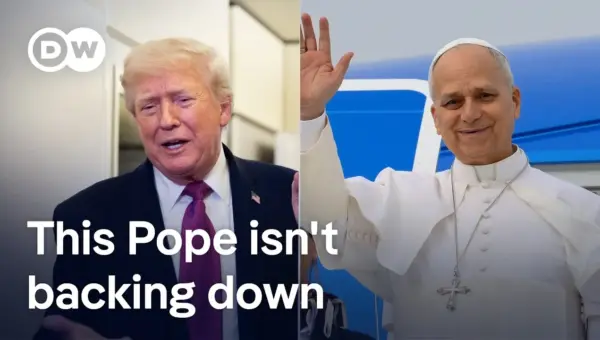
Pope Leo has publicly criticized global "tyrants" and military actions, leading to a dispute with President Donald Trump. An expert notes the Pope's stance is rooted in Catholic tradition and concerns about rising Christian nationalism. The clash highlights differing views on power and morality, with the Pope representing traditional theology against a politically charged religious movement.


Trump’s Strait Claims Crumble as Iran Recloses Key Waterway
Dozens of ships are turning away from the Strait of Hormuz after Iran seemingly closed it again, contradicting earlier announcements by former President Donald Trump. This event highlights the ongoing geopolitical tensions and their impact on global shipping and trade.

Kushner Faces Probe Over Middle East Ties, Iran Deal
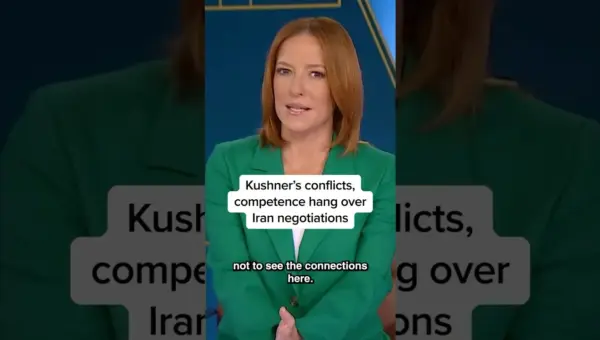
Jared Kushner, former President Trump's son-in-law, is under investigation by a top Democrat over his extensive financial ties in the Middle East. Representative Jamie Raskin cited a "glaring and incurable conflict of interest." The probe raises questions about Kushner's judgment and potential influence on sensitive foreign policy matters, particularly Iran negotiations.