Germany Weighs Role in Securing Vital Strait of Hormuz
Germany's Chancellor Olaf Scholz is urging international cooperation to secure the Strait of Hormuz, a vital global shipping lane. France and the UK are proposing a defensive mission to safeguard trade, with Germany considering contributions in mine clearance and intelligence. Discussions are ongoing to establish a legal basis and broad international support for the initiative.

Global Shipping Lanes at Risk, Germany Considers Naval Support
Germany’s Chancellor Olaf Scholz is sounding the alarm over the critical Strait of Hormuz, a vital waterway for global trade. Speaking at a Paris meeting attended by around 50 nations, Scholz addressed the need for international cooperation to ensure shipping remains open. France and the United Kingdom are leading efforts to plan a mission aimed at securing the strait, which is a crucial choke point for oil and gas transport.
Mission Aims for Peaceful Safeguarding of Trade Route
The proposed mission is described as peaceful and defensive. Its primary goal is to safeguard the flow of shipping in the Strait of Hormuz.
This is particularly important once the current conflict involving Iran concludes and conditions permit. The international partners acknowledged an announcement regarding the opening of the strait but stressed that freedom of navigation must be permanently re-established on this essential global route.
Germany’s Potential Contributions and Conditions
France and the UK are actively seeking contributions from other countries for this mission. British Prime Minister Rishi Sunak suggested that Germany could offer valuable capabilities.
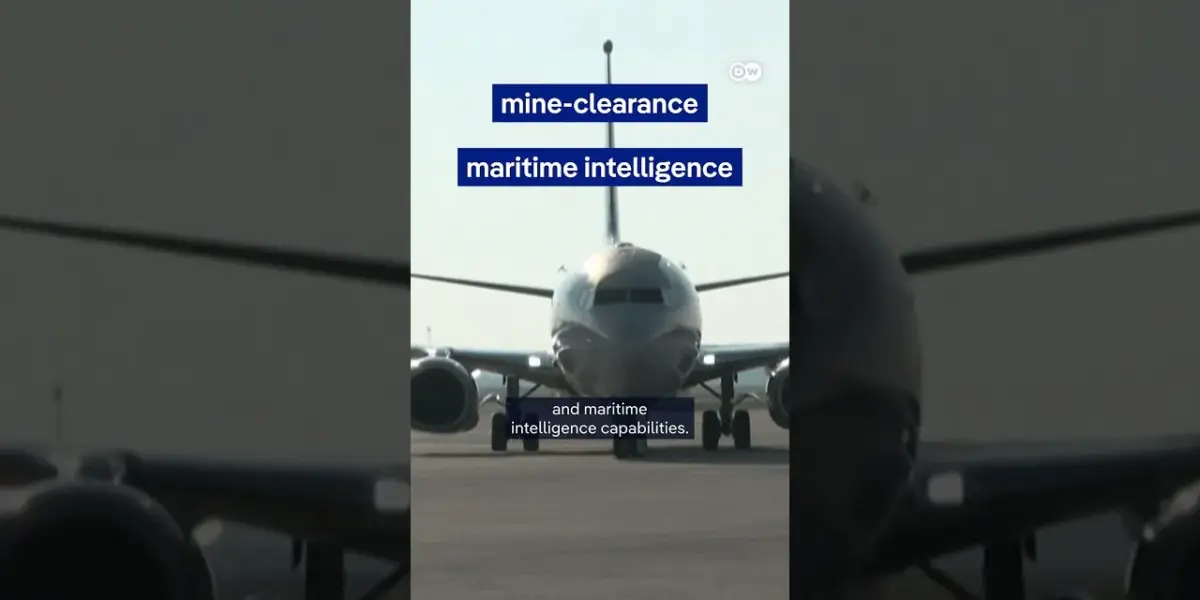
These include expertise in mine clearance and maritime intelligence. However, Germany’s participation is contingent on securing parliamentary approval and a solid legal foundation, such as a United Nations Security Council resolution.
US Involvement and Broader International Support
Chancellor Scholz also indicated that Germany would welcome the participation of the United States in such an endeavor. French President Emmanuel Macron, however, has stated that the mission will include countries not directly involved in the ongoing conflict. This suggests a broader coalition is being sought to ensure the strait’s long-term security and stability.
Strait of Hormuz: A Critical Global Lifeline
The Strait of Hormuz is an incredibly narrow waterway, only about 21 miles wide at its narrowest point. It connects the Persian Gulf to the Gulf of Oman and the open sea. This strategic location makes it one of the world’s most important maritime choke points.
Roughly 20% of global oil consumption passes through this strait daily. Any disruption here can send shockwaves through the global economy, leading to increased energy prices and supply shortages. For example, when tensions rose in the region in 2019, oil prices saw a noticeable jump as the world worried about potential blockades.
International Efforts to Ensure Freedom of Navigation
Ensuring freedom of navigation through the Strait of Hormuz has been a long-standing international concern. Various coalitions and naval patrols have been organized over the years to deter threats and maintain safe passage.
The current initiative builds on these past efforts, seeking a more coordinated and sustainable approach. The goal is to prevent any single nation or group from controlling or disrupting this vital global commons.
Germany’s Foreign Policy and Maritime Security
Germany, as a major trading nation, has a vested interest in global maritime security. While its constitution traditionally limits its military engagement abroad, there has been a gradual evolution in its foreign policy.
This includes a greater willingness to participate in international security missions, particularly those focused on protecting vital trade routes. The potential involvement in the Strait of Hormuz mission reflects this evolving stance and Germany’s commitment to international stability.
Next Steps: Continued Discussions in London
Discussions on forming this international mission are set to continue next week in London. The focus will be on defining the scope of the mission, the contributions expected from each nation, and the legal framework governing their operations. The outcome of these talks will be crucial in determining the effectiveness of efforts to secure the Strait of Hormuz for the long term.
Source: What can Germany do to ensure the Strait of Hormuz remains open? | DW News (YouTube)

Related Articles


Stocks Surge as Iran Reopens Strait of Hormuz; Challengers Outraise Incumbents
Stock markets surged to record highs as Iran reopened the Strait of Hormuz, signaling an end to recent geopolitical tensions. However, consumers continue to face lingering economic pain from higher energy and goods prices. Meanwhile, within the Democratic Party, primary challengers are outraising incumbents, driven by a generational divide and a desire for new leadership ahead of the midterm elections.


Trump’s Strait Claims Crumble as Iran Recloses Key Waterway
Dozens of ships are turning away from the Strait of Hormuz after Iran seemingly closed it again, contradicting earlier announcements by former President Donald Trump. This event highlights the ongoing geopolitical tensions and their impact on global shipping and trade.


Markets Surge as Iran Reopens Strait of Hormuz
Markets surged as Iran announced the reopening of the Strait of Hormuz, leading to a significant drop in oil prices. While President Trump hailed the move as a step towards peace, conflicting reports emerge regarding Iran's commitment to suspending its nuclear program. Shipping companies remain cautious about transiting the Strait, citing unresolved safety and insurance concerns.