Iran’s Oil Blockade: US Seizes Economic Lifeline
The U.S. has implemented a blockade on Iran's oil exports, a move General Keane describes as placing the nation's economic viability in American hands. This strategy aims to cripple Iran's finances by cutting off its primary source of income. Investors are watching global energy markets closely for potential price volatility and shifts in geopolitical strategy.

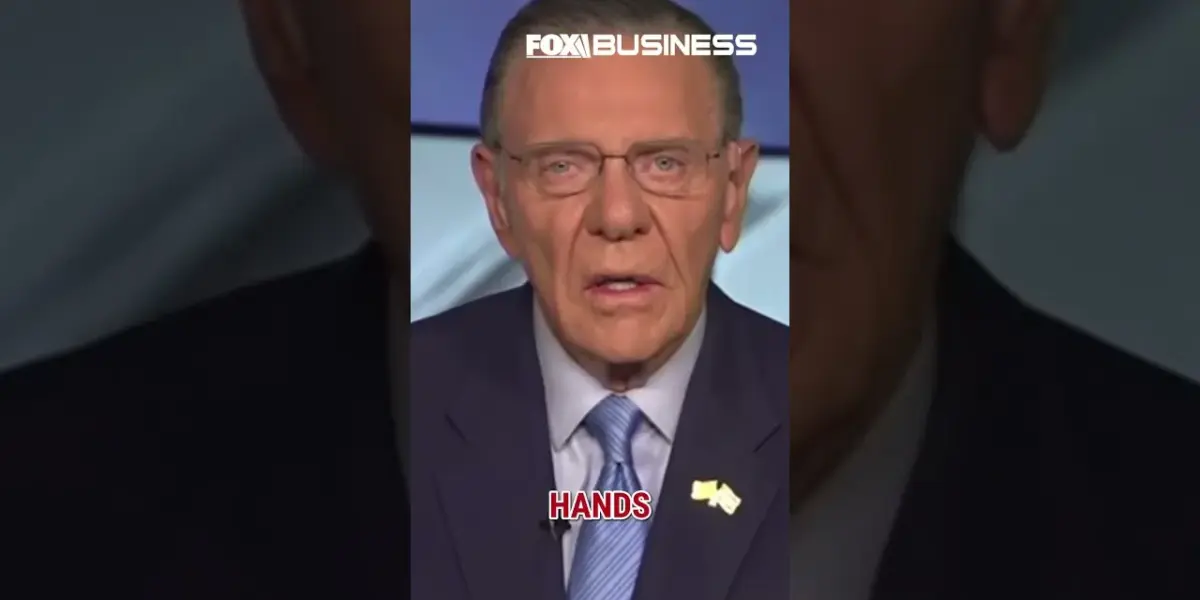
Iran’s Oil Exports Halted as US Blockade Tightens Grip
The United States has successfully implemented a blockade on Iran’s oil exports, effectively seizing control of the nation’s economic lifeline. This decisive action by the Trump administration has drastically altered the geopolitical and economic standing of Iran, according to General Keane. The move directly impacts Iran’s ability to fund its activities by cutting off the primary source of its national income.
Previously, Iran had initiated actions, including attempting to close the Strait of Hormuz, a critical global shipping lane. These efforts were met with a ceasefire, likely leading Iran to believe its strategy was effective. However, the subsequent U.S. blockade has proven to be a far more impactful measure, fundamentally changing the dynamics between the two nations.
Economic Pressure Mounts on Tehran
General Keane emphasized that Iran’s national economy is entirely dependent on its oil revenue. By blocking the distribution of oil, the U.S. is now holding Iran’s complete economic viability in its hands. This strategy aims to cripple Iran’s financial resources, thereby limiting its capacity to engage in or fund potentially destabilizing actions.
The blockade means that Iran cannot sell its oil on the global market. This prevents the flow of money that Iran relies on to operate and fund its government and military. The U.S. strategy is clear: to exert maximum economic pressure on Iran without direct military conflict.
Market Impact and Investor Considerations
What Investors Should Know: The U.S. blockade on Iranian oil has significant implications for global energy markets and geopolitical stability. Investors should monitor crude oil prices, as supply disruptions from any major producer can cause volatility. The effectiveness of this blockade could influence future U.S. foreign policy strategies involving economic sanctions.
The energy sector is particularly sensitive to such geopolitical events. Disruptions in oil supply from a country like Iran, even if not a top-tier producer, can still ripple through markets.
This can affect oil prices, refining margins, and the stock prices of energy companies. Investors often look for safe havens or sectors that may benefit from such instability, such as other oil-producing nations or alternative energy sources.
The long-term impact depends on how long the blockade remains in place and Iran’s response. If Iran seeks to retaliate or find alternative markets, it could lead to prolonged tensions and market uncertainty. Conversely, if the pressure leads to diplomatic breakthroughs, it could stabilize markets in the long run.
Geopolitical Context and Future Outlook
The Strait of Hormuz is a vital chokepoint for global oil shipments, with about 20% of global oil consumption passing through it. Any threat to this waterway has immediate and far-reaching consequences for energy security and prices worldwide. Iran’s previous attempts to disrupt traffic there were met with a strong U.S. response.
This current strategy represents a significant escalation in economic warfare. It moves beyond traditional sanctions by directly intercepting and preventing the sale of a nation’s primary export. The success of this blockade could embolden similar strategies against other nations deemed adversaries by the U.S.
The situation highlights the intricate connection between global politics and financial markets. Economic sanctions and blockades are powerful tools, but they often come with unintended consequences, including market volatility and humanitarian concerns. The path forward for Iran and its relationship with the international community remains complex.
The U.S. appears confident in its current strategy, viewing it as a successful and effective path forward. The focus remains on Iran’s complete economic dependence on oil and the leverage this blockade provides. The coming weeks and months will reveal how Iran responds to this unprecedented economic pressure.
Source: Gen Keane: We're on a VERY GOOD path here #shorts (YouTube)

Related Articles
Iran Deal Hinges on Strict Verification, Not Just Words
General Jack Keane stresses that any deal with Iran must prioritize strict verification over mere promises. He highlights Iran's history of deception and the need for unrestricted inspector access. The U.S. must maintain economic pressure and military readiness until all terms are met.


Trump’s Strait Claims Crumble as Iran Recloses Key Waterway
Dozens of ships are turning away from the Strait of Hormuz after Iran seemingly closed it again, contradicting earlier announcements by former President Donald Trump. This event highlights the ongoing geopolitical tensions and their impact on global shipping and trade.


US Spy Planes Circle Cuba: Invasion Fears Rise
U.S. spy planes are swarming Cuba, raising concerns about potential U.S. military action. This follows reports of Pentagon preparations and is seen by some as a repeat of past strategies used before interventions in other countries. Cuba's president has warned of a possible invasion, and the nation is conducting defensive drills.