Stocks Surge as Iran Reopens Strait of Hormuz; Challengers Outraise Incumbents
Stock markets surged to record highs as Iran reopened the Strait of Hormuz, signaling an end to recent geopolitical tensions. However, consumers continue to face lingering economic pain from higher energy and goods prices. Meanwhile, within the Democratic Party, primary challengers are outraising incumbents, driven by a generational divide and a desire for new leadership ahead of the midterm elections.


Markets Rally on Geopolitical Easing, Consumer Pain Lingers
Wall Street celebrated news that Iran has declared the Strait of Hormuz open for business, signaling a potential de-escalation in Middle East tensions. The Dow Jones Industrial Average jumped 1000 points on the announcement, with stock markets reaching record highs after weeks of decline. This optimism, however, contrasts sharply with the ongoing financial strain felt by consumers, who continue to face higher prices for essential goods and services.
The market’s rapid rebound suggests investors believe the worst of the conflict between Iran, the U.S., and Israel is over. This sentiment drove oil prices down significantly, though they remain above pre-conflict levels.
NBC News business correspondent Brian Chung explained that Wall Street’s reaction often reflects corporate resilience rather than immediate Main Street relief. Companies have shown an ability to weather disruptions like tariffs or geopolitical crises, recovering and adapting.
Oil Prices Drop, But Consumer Costs Remain High
While crude oil prices plummeted by over 10% following Iran’s announcement, they are still $10 to $20 higher than before the conflict. This persistence in oil prices is partly due to structural damage to Middle Eastern facilities, which Moody’s estimates will take months to repair.
As a result, consumers may not see lower gas prices at the pump until August, with national averages potentially reaching $3.30 by Labor Day, according to GasBuddy. This is still significantly higher than the sub-$3 per gallon average seen before the conflict.
The impact on consumers extends beyond gasoline. Farmers are facing higher fertilizer costs, which could translate into increased grocery bills later in the year.
Airlines are also struggling with doubled jet fuel prices, leading to suspended routes and warnings of potential jet fuel shortages in Europe. Spirit Airlines is already in bankruptcy, highlighting the pressure on the travel industry.
“Prices are quick to come up. It’s hard to see companies out of the kindness of their hearts lower them,” an analyst noted, highlighting the lag effect of price changes for consumers. The full impact on household budgets may not be felt for several months, as rising costs for raw materials and energy filter through the economy.
Volatile Markets and Consumer ‘Vibe’ Disconnect
Brian Chung described the current market as a “roller coaster” with significant drops and rises, creating volatility that can be dizzying for investors. He noted that while Wall Street is celebrating, consumers are experiencing a “vibe session” – a feeling of economic unease despite the economy appearing stable on paper. This disconnect stems from everyday expenses like gas prices, which are a tangible reminder of increased costs.
Economists worry about “demand destruction,” where consumers cut back on spending due to economic anxiety. This could turn a temporary geopolitical issue into a long-term problem for U.S. economic growth. The feeling of an affordability crisis existed even before the Iran conflict, and the added costs have exacerbated consumer concerns.
Democratic Challengers Energized, Outraising Incumbents
Generational Divide Fuels Primary Battles
As the November midterm elections approach, fundraising data reveals a significant trend within the Democratic Party: primary challengers are outraising many incumbent lawmakers. This suggests a strong energy and dissatisfaction among some Democratic voters with current leadership. Many of these challengers are younger and are taking on older, established members of Congress.
According to political reporter Bridget Bowman, about nine House Democrats were outraised by their primary challengers in the first fundraising quarter. Most of these incumbents are over 70 years old, facing younger opponents who are tapping into a desire for a new generation of leadership. This generational and ideological divide is playing out in real-time across numerous races.
Fundraising as a Key Indicator
Raising money is crucial for challengers, enabling them to get their message out, build turnout operations, and signal to outside groups that they are running a competitive race. The strong fundraising numbers from these challengers indicate a serious push to unseat incumbents, potentially leading to more upsets in the primaries than in previous cycles.
In contrast, the Republican side shows less primary activity. Only one House Republican was outraised by a challenger, and that challenger loaned their own money to the campaign. However, money is flowing to challengers in races where former President Trump is seeking to unseat incumbents, highlighting his influence within the party.
Progressive Wins and Internal Party Debates
The recent special election in New Jersey, where progressive Democrat Analilia Mejia won a seat, is seen as another sign of Democratic energy. While special elections have unique dynamics, Democrats have been outperforming expectations in these contests. This win, along with the strong fundraising by challengers, points to a party grappling with its identity and future direction.
Internal party debates also persist, particularly regarding the Democratic National Committee’s (DNC) autopsy report on the 2024 election loss. Some Democrats are pushing for the full release of the report, believing it’s necessary to address problems and strategize for future elections. DNC Chairman Ken Martin, who initially campaigned on transparency, has suggested releasing only top-line results to avoid distractions, but pressure from within the party to reveal more continues.
Despite internal divisions, a common theme emerging from Democratic voters is a desire to win and to oppose former President Trump. This shared goal, coupled with dissatisfaction with their own party, is fueling a complex mix of angst and energy as Democrats look ahead to the November midterms.
Source: April 17: Stocks Rally on Strait Opening and Dem Challengers Outraise Incumbents (YouTube)

Related Articles
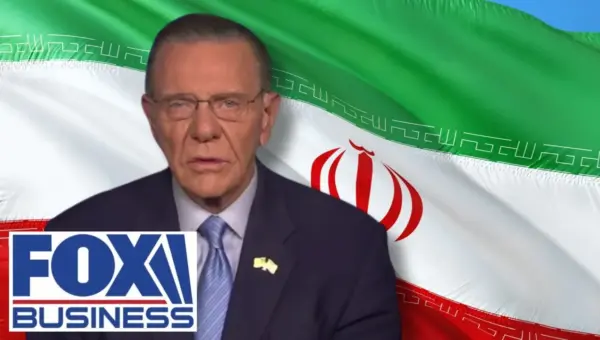
Iran Deal Hinges on Strict Verification, Not Just Words
General Jack Keane stresses that any deal with Iran must prioritize strict verification over mere promises. He highlights Iran's history of deception and the need for unrestricted inspector access. The U.S. must maintain economic pressure and military readiness until all terms are met.
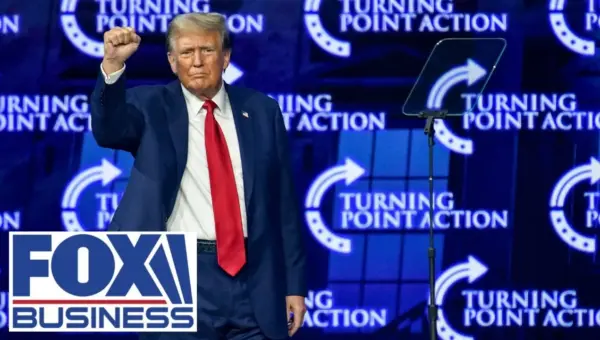
Trump Claims Economic Boom, Border Security Wins
Former President Donald Trump highlighted economic achievements, including tax cuts and job growth, during a rally in Phoenix. He also claimed significant success in border security and crime reduction. Trump urged support for Republicans in the upcoming midterm elections, framing the choice as one between national strength and decline.

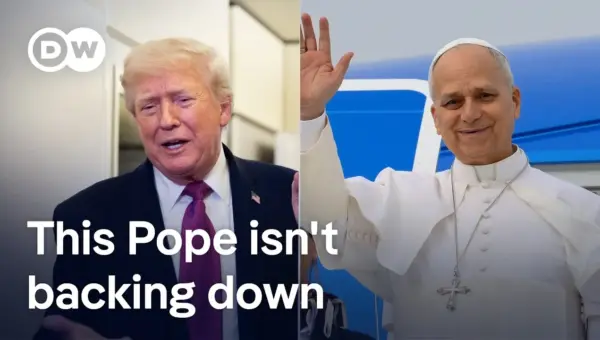
Pope Leo Calls Out World Tyrants, Clashes With Trump
Pope Leo has publicly criticized global "tyrants" and military actions, leading to a dispute with President Donald Trump. An expert notes the Pope's stance is rooted in Catholic tradition and concerns about rising Christian nationalism. The clash highlights differing views on power and morality, with the Pope representing traditional theology against a politically charged religious movement.