NBA Adjusts Rules: Load Management Gets a Pass for Injuries
The NBA has updated its load management rules to allow for flexibility with legitimate injuries. This change acknowledges that players like Luka Dončić, who dealt with a hamstring issue or personal events like the birth of his child, should have exceptions. The league aims to ensure player availability while recognizing unavoidable circumstances.

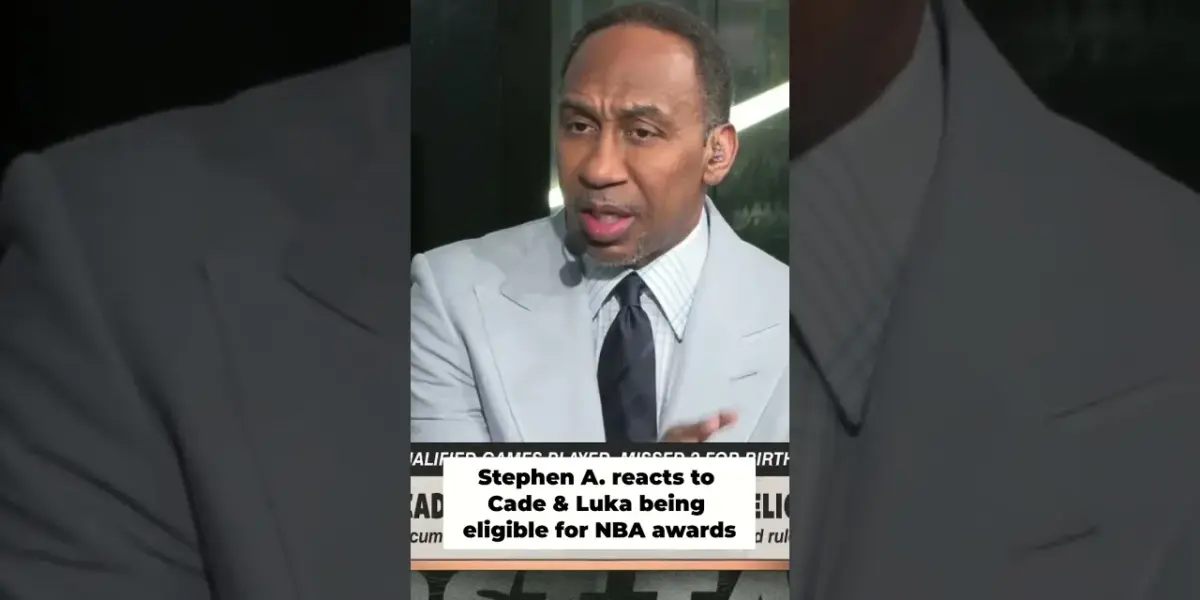
NBA Tweaks Load Management Rules for Legitimate Injuries
The NBA has made some smart changes to its load management rules, and it seems like a good move for the league. These new adjustments allow for flexibility when players face real injuries, which is a big win for everyone involved. It shows the league is willing to listen and adapt when circumstances change.
This isn’t about letting players off the hook for skipping games for no reason. The NBA is still cracking down on the old abuse of load management, where players might have sat out just to rest when they didn’t really need to. The original rule was put in place because some players weren’t showing up to play as much as fans and teams expected them to.
Flexibility for Real Injuries
The key difference now is how the league handles situations where players are genuinely hurt. Take Luka Dončić, for example.
He clearly dealt with a hamstring injury that kept him sidelined. This wasn’t just a made-up excuse; it was a real problem affecting his ability to play.
The NBA looked into these cases and decided to make changes. This flexibility is important because it recognizes that not all missed games are the same. Sometimes players have to miss time for unavoidable personal reasons too.
Mitigating Circumstances Matter
One example mentioned was when Luka Dončić missed a game or two to be present for the birth of his child. Both the Lakers and the league understood and accepted this. These kinds of events are clearly mitigating circumstances that deserve consideration.
Allowing for these situations shows the NBA is open-minded. They can adjust rules based on specific events without throwing out the entire policy. This balance is crucial for fairness.
Focus on Player Availability
The core idea behind the original rule was to ensure players were available to play. Fans pay to see stars like Anthony Edwards on the court, and he clearly wants to compete for MVPs and championships. The league wants to make sure that happens whenever possible.
However, the NBA also understands that injuries happen. Players like Karl-Anthony Towns have dealt with serious issues like a partially collapsed lung. Ignoring legitimate injuries would be unfair and could even harm players in the long run.
A Partnership with the Players Association
These rule adjustments were reportedly made in concert with the players’ association. This collaboration is vital. It ensures that both the league’s desire for player availability and the players’ need for fair treatment are addressed.
Having rules that can be adjusted under special circumstances is better than having rigid rules that can’t be changed. This approach allows the NBA to uphold its standards while also showing empathy for players facing real challenges.
Looking Ahead
The NBA’s willingness to adapt shows a commitment to the integrity of the game. By allowing for exceptions to load management rules in cases of genuine injury or significant personal events, the league is striking a better balance. This should help keep stars on the court more often, while still respecting the realities of professional sports.
Source: Did the NBA make the correct decision? 🤔 (YouTube)

Related Articles

Celtics East Favorites? Analyst Says No Clear Frontrunner
An analyst questions whether the Boston Celtics are truly clear favorites in the Eastern Conference. He points to past playoff struggles and Jayson Tatum's ongoing injury recovery as reasons for caution. The current NBA parity means no team is a guaranteed frontrunner.
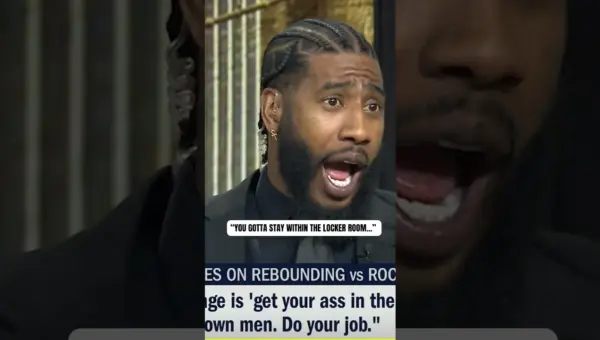
LeBron’s Rally Cry: Suns Battle On Despite Injuries
LeBron James is reportedly urging his Phoenix Suns teammates to stay united and compete fiercely, even with injuries. Iman Shumpert believes LeBron's message is to fight on and that key players like Ayton and Smart must step up. The team's mindset is crucial for overcoming adversity.
NBA Awards Rule Twist: Luka, Cade Eligible!
The NBA has made an exception to the 65-game rule for awards eligibility, allowing Luka Doncic and Cade Cunningham to be considered. Iman Shumpert shared his mixed feelings on the decision, while also discussing the upcoming NBA playoffs, focusing on the Knicks-Hawks series and player props.