Medicaid Fraud Steals Care From Those Who Need It Most
Medicaid fraud is not just about stolen money; it's about stolen care. When fake services are billed, children needing autism therapy and patients requiring hospice lose access to vital support. This widespread abuse corrupts the system and harms the most vulnerable.

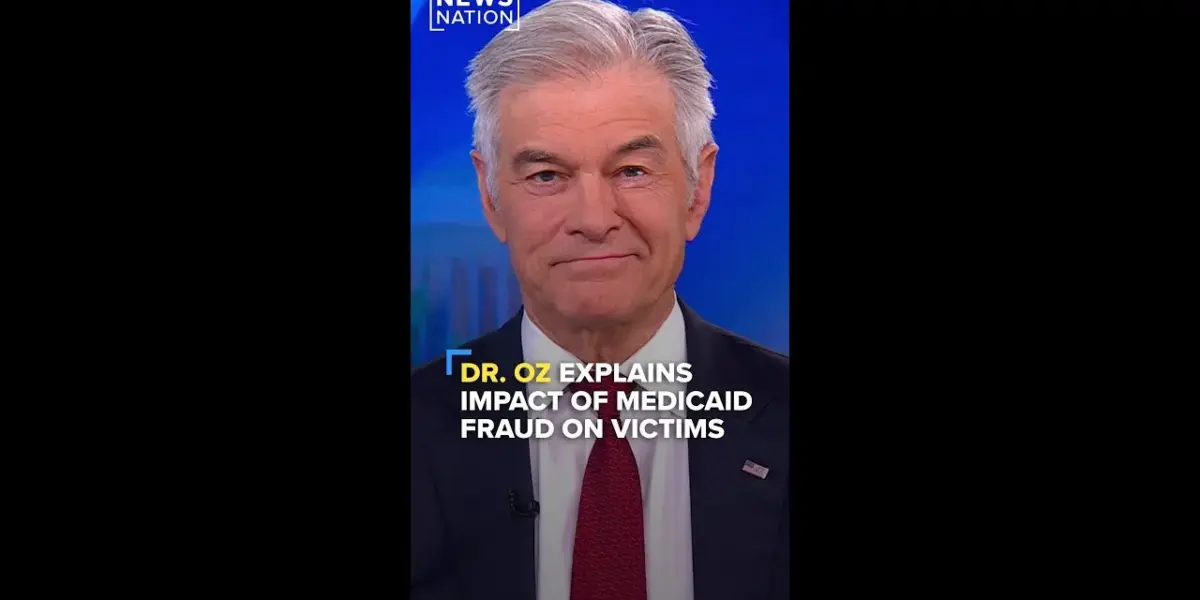
Medicaid Fraud Steals Care From Those Who Need It Most
When government programs meant to help people are cheated, the real victims are those who rely on that help. This is exactly what’s happening with Medicaid, a program that provides health insurance for millions of Americans. Some individuals and companies are taking advantage of the system, and this fraud is hurting the very people Medicaid is designed to protect.
Critics often claim that efforts to stop fraud actually cut services for those in need. However, this argument doesn’t hold up when fraud is widespread. People who genuinely need help, like a child with autism receiving necessary therapy, are being harmed when the system is corrupted.
How Fraud Hurts Real Patients
Imagine a child with autism who truly needs specialized care. When services are manufactured and billed falsely, it drains resources.
This makes it harder for children with genuine needs to access the help they require. It’s like a fire alarm being pulled when there’s no fire; eventually, people stop paying attention when there’s a real emergency.
The numbers show a disturbing trend. In Minnesota, for example, Medicaid spending on certain services jumped from $3 million to $400 million. This massive increase wasn’t due to more people needing help, but rather from creating fake programs and billing for services that were never actually provided.
The Hospice Scandal in Los Angeles
A similar problem is happening with hospice care, especially in Los Angeles. Over a third of all hospices in the entire country are located there. This seemed suspicious, raising a red flag about whether so many people were truly in need of end-of-life care in one area.
To address this, authorities stopped payments to 450 hospices in California. This action alone represents about $600 to $700 million that would have been paid out this year. What’s striking is that not a single one of these shut-down hospices has asked to have their payments reinstated.
Why This Matters
This situation highlights a critical issue: when fraud takes hold, it doesn’t just steal money from taxpayers. It steals essential services from vulnerable populations like children needing therapy or individuals requiring legitimate hospice care. The system becomes clogged with fake claims, making it difficult for real needs to be met.
The fact that hundreds of hospices didn’t even bother to fight for their payments suggests they were operating on fraudulent grounds. This isn’t about cutting essential services; it’s about cleaning up a system that has been exploited. The goal is to ensure that money meant for genuine medical care reaches the patients who are truly suffering.
Looking Ahead
The fight against Medicaid fraud is ongoing. Authorities are working to identify and stop these schemes.
The hope is to restore trust in the system and ensure that resources are used responsibly. This means protecting both the financial integrity of programs like Medicaid and, more importantly, the well-being of the people they are meant to serve.
Stopping these fraudulent operations is a crucial step. It ensures that children with autism and patients needing hospice care can get the support they deserve. The next steps involve continued vigilance and enforcement to prevent such abuses from happening again.
Source: Dr. Oz explains impact of Medicaid fraud on victims | Katie Pavlich Tonight (YouTube)

Related Articles

Medicaid Fraud Steals Billions, Harms Vulnerable Americans
Billions of dollars intended for Medicaid and Medicare are being lost to fraud each year. This theft not only impacts taxpayers but also directly harms vulnerable individuals who rely on these essential services for their health and well-being. Efforts are underway to combat this widespread issue.

Fraud Scheme Unravels: Is Government Hiding the Truth?
A massive Medicaid fraud scheme in Minnesota is under scrutiny, with allegations of government officials blocking investigations. Candidate Michelle Tafoya discusses the need for accountability and supports legislation to deport fraudsters. The role of journalists in exposing such fraud is also highlighted.

Health Secretary Pledges Overhaul Amid Cost and Fraud Concerns
Health Secretary Robert F. Kennedy Jr. testified before Congress, emphasizing a push for preventive care and reforms to combat rising healthcare costs and industry consolidation. The hearing also addressed critical issues of fraud and access to care, particularly in rural areas, revealing deep partisan divides on the path forward.