Trump Warns Iran: Bombing Could Start ‘Tomorrow’
President Trump has signaled a tough stance on Iran, warning that he expects to be "bombing tomorrow" if a satisfactory deal isn't reached, with the current cease-fire set to expire. Despite the escalating rhetoric, financial markets have remained measured, seemingly pricing in a future resolution and a potential "peace dividend."

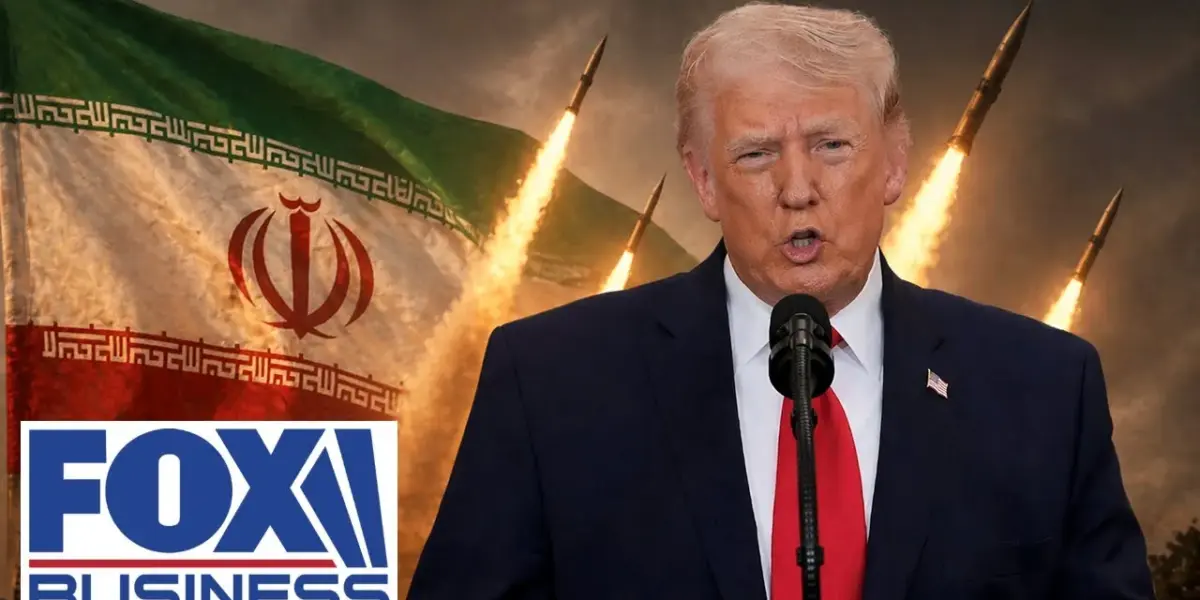
Trump Signals No Extension for Iran Cease-Fire, Threatens Strikes
President Trump has declared he has zero interest in extending the current two-week cease-fire with Iran, which is set to expire soon. The President’s strong stance suggests that military action, specifically strikes on critical Iranian infrastructure, could be imminent if a satisfactory deal is not reached.
Speaking just before the market open, President Trump stated that the U.S. has “totally won the war” and is not in a hurry to finalize an agreement. He explicitly warned, “I expect to be bombing tomorrow,” indicating a readiness to escalate if negotiations fail.
Markets React Cautiously to Escalating Tensions
Despite the tough talk, financial markets have shown a measured response. Investors appear to be either confident that a deal will eventually be struck or have stopped reacting to every headline coming out of the region. This calm suggests a belief that President Trump is using strong rhetoric to gain leverage in negotiations.
Michael Lee, a strategy founder, noted that markets are generally negative on headlines suggesting a lack of progress. However, he pointed out that traders might be giving President Trump room to maneuver. The current situation has led to a period of uncertainty, but the underlying market sentiment remains relatively stable.
Iran’s Economic Damage and Negotiation Stance
According to reports, Iran has already suffered approximately $200 billion in economic damage. Analysts suggest that the U.S. has targeted key infrastructure, making the situation one-sided. While Iran may engage in tough talk, this is seen by some as a tactic, knowing that further strikes could cripple their oil infrastructure, potentially permanently.
The prevailing market view is that a deal, even a preliminary framework, is in everyone’s best interest. This perspective suggests that Iran’s leadership, despite any ideological posturing, is motivated by financial stability and the potential for foreign investment, which would be unlocked by sanctions relief.
The Appeal of Peace and Prosperity for Iran
The argument for Iran to seek a deal centers on the potential for peace and prosperity. If sanctions were lifted, Iran could see significant direct foreign investment and potentially export up to 8 million barrels of oil per day. This economic benefit is seen as a powerful incentive for Iranian leaders, many of whom have personal financial interests abroad.
The idea is that if Iran plays ball, the region could transform from a conflict hotspot into an area of economic opportunity. This potential “peace dividend” is what some believe the markets are beginning to price in, despite the ongoing geopolitical tensions.
Investor Focus Shifts to Fundamentals Amid Volatility
While geopolitical headlines often grab attention, smart investors focus on fundamental economic data. Analysts suggest that the current bull market deserves the benefit of the doubt, as underlying fundamentals remain strong. This includes the potential for growth in big tech stocks, as well as opportunities in small-cap and emerging markets.
The market’s resilience is partly attributed to its ability to manage headlines and focus on long-term trends. Historical data shows that after periods of significant market gains, like 12- or 13-day winning streaks, the market tends to be higher a year later, with average gains around 9%.
Geopolitical Context and Long-Term Implications
The situation with Iran is viewed by some as a sideshow to larger geopolitical dynamics, particularly concerning China. Iran’s role as a key energy conduit for China, especially through the Strait of Hormuz, adds another layer of pressure. Disrupting this flow impacts both Iran and its primary economic partner.
The long-term strategy proposed by some analysts involves maintaining pressure on Iran until a “great deal” is achieved—one that verifiably prevents nuclear proliferation. If such a deal isn’t possible, the focus remains on economic strangulation, potentially leading to intervention or cooperation from Gulf states and even European allies who rely on regional stability and resources.
A Deal or Continued Pressure?
The debate continues on whether Iran truly desires foreign investment and long-term peace or if their current actions are purely strategic. However, the consensus among many market participants is that a peace dividend is anticipated. The current united front among Gulf states against Iran also signals a potential shift in regional dynamics.
Ultimately, the path forward involves either a negotiated settlement that satisfies U.S. demands for security and non-proliferation, or a continuation of stringent economic and military pressure. The markets are pricing in a future where the conflict is resolved, leading to potential investment opportunities across various sectors and regions.
Market Impact: What Investors Should Know
Short-Term: Expect continued volatility as headlines regarding Iran negotiations and potential military actions emerge. President Trump’s “bombing tomorrow” rhetoric suggests a low tolerance for prolonged stalemate.
Long-Term: The market appears to be pricing in a resolution that leads to a “peace dividend,” potentially unlocking foreign investment and stabilizing oil prices. Strong underlying market fundamentals suggest resilience, even amidst geopolitical uncertainty.
Key Factors: Investors should monitor oil prices, the success of sanctions, and the progress of negotiations. The potential for Iran to secure foreign direct investment hinges on a lasting agreement and sanctions relief.
Source: 'BOMBING TOMORROW': Trump's SOUNDS OFF on NEW Iran talks (YouTube)

Related Articles
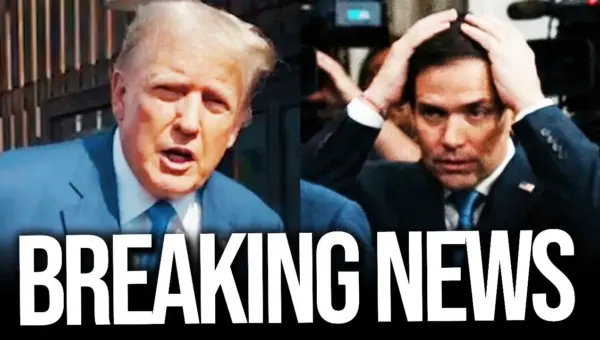
Trump’s War Strategy Crumbles Amidst Iranian Stand-Off
President Trump's diplomatic efforts with Iran have collapsed, leading to an emergency White House meeting. Iran claims the U.S. violated a ceasefire, prompting a refusal to negotiate. The situation teeters on the brink of military escalation, with critics raising concerns about corruption and the administration's strategy.
Japan Eases Arms Export Rules Amid China Concerns
Japan has significantly eased its defense export rules, allowing the sale of weapons like warships and missiles to allied nations. This move, aimed at strengthening global partnerships and countering regional threats, has drawn sharp criticism from China, which views it as a potential return to militarism. Experts suggest the policy shift is a pragmatic response to a changing geopolitical landscape and growing regional anxieties.

Iran’s ‘New Cards’ Threat Risks Further Global Isolation
Iran's parliament speaker has threatened to reveal 'new cards,' but former Pentagon officials believe this will further isolate the regime. These potential moves, likely involving proxies or sleeper cells, are seen as a familiar but ineffective tactic. Investors are watching for potential escalation and its impact on regional stability and energy markets.