US Spy Planes Circle Cuba: Invasion Fears Rise
U.S. spy planes are swarming Cuba, raising concerns about potential U.S. military action. This follows reports of Pentagon preparations and is seen by some as a repeat of past strategies used before interventions in other countries. Cuba's president has warned of a possible invasion, and the nation is conducting defensive drills.


US Spy Planes Circle Cuba: Invasion Fears Rise
American spy aircraft have been seen flying around Cuba, leading to increased concerns about possible military action by the United States. This activity comes after reports that the U.S. is preparing for potential military operations, including invasions or air strikes, against the Cuban government. The situation is becoming more serious by the day.
Surveillance Flights Intensify
On April 16th, a U.S. Navy MQ4C Triton surveillance drone was spotted conducting a reconnaissance mission off the coast of Cuba. This advanced drone, capable of flying at high altitudes, gathered intelligence over the southern waters of Cuba, including circling Havana. The flight path suggests a deliberate effort to monitor the Cuban regime closely.
This is not the first time such drones have been used. Similar flights occurred in March, indicating a sustained effort to gather information on Cuba’s military movements. The U.S. appears to be collecting data to understand Cuba’s capabilities before any potential military decision is made.
What is the MQ4C Triton?
The MQ4C Triton is a high-altitude, long-endurance unmanned aerial vehicle. It is designed for real-time intelligence, surveillance, and reconnaissance missions over large ocean and coastal areas. The drone can fly at altitudes of up to 56,000 feet, allowing it to cover vast regions without being easily detected.
Echoes of Past Operations
This strategy of using surveillance drones before military action is similar to past U.S. operations. For example, before intervening in Venezuela, the U.S. used drones and aircraft to monitor the movements of the Venezuelan government. This allowed for a comprehensive understanding of the situation before any action was taken.
Reports from USA Today suggest that the Pentagon is quietly planning for a possible operation in Cuba, should President Trump give the order. These plans appear to be an escalation of tensions that began in January when the U.S. reduced oil shipments to Cuba. The Pentagon has stated it plans for various contingencies and is prepared to execute the president’s orders.
Cuba’s Response and Concerns
The Cuban president, Miguel Diaz-Canel, has warned that a U.S. military strike is a real possibility. He urged the country to be prepared for self-defense, marking a shift from general criticism of U.S. policy to explicitly raising the prospect of military confrontation. This indicates Cuba is taking the U.S. threat very seriously.
In response, Cuba has begun conducting military drills. Footage shows Cuban forces practicing air defense, using towed machine guns and AK-47s. However, these methods appear rudimentary compared to modern air power.
Allegations of Complicity
Adding to the tensions, the U.S. has informed Congress that Cuba may be complicit in helping Russia fight in Ukraine. The U.S. suggests that Cuba has contributed fighters and provided diplomatic support to Moscow. While the public record doesn’t officially confirm all Cuban fighters were dispatched, there are indicators that the regime allowed or enabled their involvement.
This accusation could be part of setting the conditions for military action, linking Cuba to its allies like Russia, China, and North Korea. With Venezuela’s situation changed and Russia’s focus on Ukraine, Cuba might feel increasingly isolated.
Why This Matters
The heightened military activity and rhetoric between the U.S. and Cuba signal a potentially significant geopolitical development. The deployment of advanced surveillance technology by the U.S. suggests a serious consideration of military options. Cuba’s public warnings and defensive preparations show they anticipate a real threat.
The allegations regarding Ukraine further complicate the situation, potentially providing additional justification for U.S. action. This situation highlights the delicate balance of international relations and the potential for regional instability.
Implications and Future Outlook
The current situation could lead to increased sanctions, further diplomatic isolation, or, as feared, direct military confrontation. The U.S. strategy appears aimed at gathering intelligence and building a case for intervention, while Cuba is preparing for the worst. The involvement of Cuba in the Russia-Ukraine conflict, if proven, could significantly alter the international perception of the Cuban regime and its foreign policy alignment.
The coming weeks will be crucial in determining whether diplomatic channels remain open or if military action becomes a reality. The U.S. has a history of intervention in Latin America, and the current rhetoric suggests a willingness to consider such options again.
Historical Context
U.S.-Cuba relations have been strained for decades, particularly since the Cuban Revolution in 1959. The U.S. imposed a trade embargo and has generally viewed Cuba’s communist government as a threat. The Cuban Missile Crisis in 1962, where the Soviet Union placed nuclear missiles in Cuba, brought the world to the brink of nuclear war and remains a clear reminder of the potential consequences of U.S.-Cuba tensions.
The current administration’s actions and statements suggest a return to a more confrontational policy. The cutoff of Venezuelan oil, a key support for Cuba, is a significant economic pressure point.
As of April 17th, American spy aircraft are actively monitoring Cuba, and the U.S. is reportedly preparing military options. Cuba’s leadership is publicly warning of a potential invasion, and its military is conducting drills. The world watches closely to see how this situation unfolds.
Source: U.S. Spy Aircraft SWARM Cuba – Dictator Prepares For INVASION (YouTube)

Related Articles
Hungary’s Election Shift Unlocks EU Aid for Ukraine
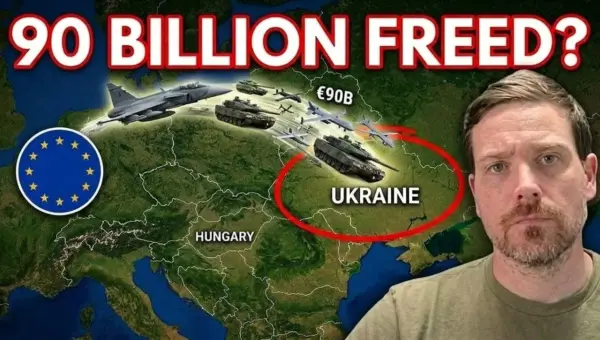
Hungary's recent election has removed a key obstacle, allowing the EU to release a crucial 90 billion euro loan to Ukraine. This shift is expected to accelerate aid and potentially speed up Ukraine's EU membership process, while also strengthening European security.

Trump’s Iran Deal Sparks Market Rally: Stocks Soar
The stock market is soaring on news of a potential agreement between the U.S. and Iran, driven by hopes of ending a long-standing conflict. Key terms reportedly include Iran's cooperation on enriched uranium removal and halting support for proxy groups. The U.S. plans to maintain a naval blockade until the deal is fully finalized.
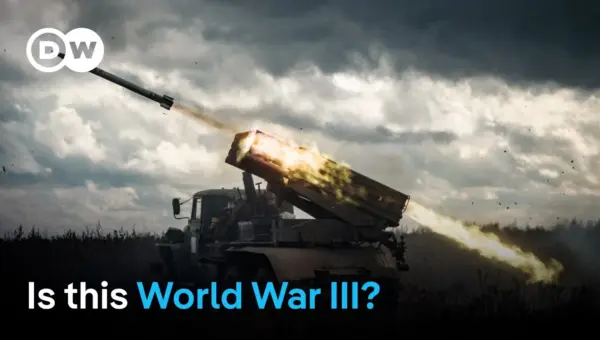
Experts Weigh In: Are Current Global Conflicts a World War?
International affairs experts largely agree that current global conflicts, including those in Ukraine and the Middle East, do not constitute a World War II. Instead, they liken the situation more to a Cold War scenario or a return to 19th-century great power politics. The analysis also highlights the importance of public opinion and democratic aspirations within nations.