Iran, US Blockade Strait of Hormuz, Sparking Global Trade Crisis
The collapse of a ceasefire and escalating tensions between Iran and the US have led to the weaponization of the Strait of Hormuz, a critical global shipping route. This blockade is sparking a worldwide trade crisis, driving up costs, threatening fuel supplies for nations like India, and raising fears of global famine. The situation is reshaping international power dynamics and economic dependencies.

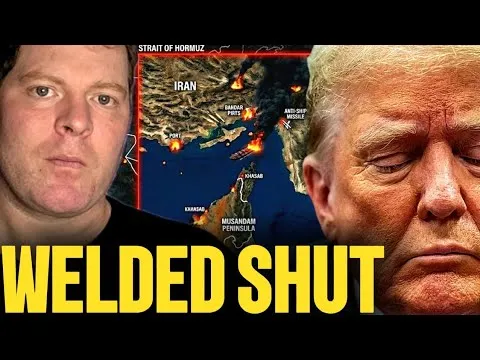
Iran, US Blockade Strait of Hormuz, Sparking Global Trade Crisis
The world is facing a major economic challenge as the vital Strait of Hormuz, a key shipping route, becomes a battleground. A ceasefire in the region has collapsed, leading to the weaponization of this critical maritime passage. Diplomatic solutions seem to be disappearing by the hour.
Iran has accused the United States of piracy, claiming the US is enforcing an international blockade. The US has stated it will target any vessel linked to Iran anywhere in the world.
This action directly contradicts Iran’s announcement that the Strait was officially open. Despite this brief window, hundreds of commercial ships remain trapped in the Gulf, with captains refusing to sail.
Global Shipping Costs Soar Amid Blockade
Insurers are halting coverage, and logistics costs for international transit are expected to skyrocket. The Strait of Hormuz, previously unknown to many, is now the world’s biggest pressure point. Both Iran and the United States are effectively closing this vital waterway.
The situation escalated with attacks on two Indian-flagged vessels. A supertanker was hit by small arms fire, and a cargo ship was struck by a drone.
Fortunately, the crews were safe. This is concerning because Iran had an agreement to allow Indian ships safe passage through the Strait.
India’s Fuel Supply Threatened
India’s Foreign Minister has expressed deep concern to Iran’s ambassador, seeking to restore safe passage for Indian ships. India is a key fuel supplier in Asia, relying on shipments from the Middle East and Russia. Southeast Asian nations, Japan, and South Korea also depend on Middle Eastern fuel, looking to India and the US for alternatives.
Compounding the problem, Ukrainian attacks on Russian oil infrastructure have reportedly cut Russian exports by 40%. This reduces the global oil supply significantly, even beyond the impact of the Strait of Hormuz closure.
Developing nations like Nigeria lack the infrastructure to replace this lost supply. The US also does not have the capacity to make up for the shortfall impacting its allies.
Middle East Conflict Intensifies
Hopes for a quick resolution to the broader conflict have faded. The recent ceasefire has been largely ignored.
Israel has fired artillery into Beirut, and there are disturbing reports of ambulances being hit by drones in southern Lebanon. This pattern of attacks on medical aid vehicles highlights the severity of the ongoing conflict.
With the US threatening to seize Iranian-linked tankers globally and Iran targeting neutral ships, the situation has moved beyond a regional dispute. This is now a full-blown global supply chain crisis. The damage is already done, and the consequences are unavoidable.
Economic Fallout and Global Famine Risk
The longer this crisis continues, the greater the damage will be. Experts warn of potential global famine affecting hundreds of millions if the conflict lasts four to five weeks. The disruption to energy supplies threatens the national security of major powers like India, potentially forcing them into regional conflict.
The next few days are critical, not just for the Middle East but for global energy prices throughout the year. This is more than just an energy crisis; it carries the risk of widespread starvation. Both sides appear entrenched, with the US aiming to pressure Iran and Iran pushing its own narrative.
Erosion of Trust and National Hoarding
In this environment, trust in official information is eroding. Many people are turning to alternative sources for news, questioning the reliability of major actors. This lack of clear, trustworthy information creates further instability.
Nations like China and Russia are engaging in national hoarding of resources. They are keeping fuel and fertilizer within their borders to ensure domestic supply. This leaves middle powers extremely vulnerable, a situation largely overlooked by mainstream media.
Long-Term Global Impact
The current events are being treated like a temporary news cycle, but the long-term consequences will be felt for years. Millions of lives could be lost due to shortages and resulting instability. This crisis is forcing a complete reevaluation of global power dynamics.
There is no going back to the world as it was before 2025. The ongoing situation demands constant attention and honest reporting to cut through the spin. The world is entering a new and challenging reality.
Global Impact: Reshaping the World Order
The escalating conflict around the Strait of Hormuz and the broader Middle East is not just a regional issue; it is actively reshaping the global economic and political order. The weaponization of critical maritime routes, particularly the Strait of Hormuz, which handles about 30% of the world’s seaborne oil trade, has immediate and far-reaching consequences.
The actions taken by both Iran and the United States, including Iran’s alleged threats to close the strait and the US’s stated intent to intercept Iranian-linked vessels, directly threaten global supply chains. This creates immense uncertainty for international trade, leading to increased shipping costs, higher insurance premiums, and potential shortages of essential goods, including oil, gas, and food.
Economic Leverage and Dependencies
The reliance of major economies, particularly in Asia, on Middle Eastern energy supplies makes them highly vulnerable. India’s situation, highlighted by the attacks on its flagged vessels and its role as a key energy supplier, illustrates these dependencies. Disruptions to these energy flows can destabilize economies, threaten national security, and potentially force nations to reconsider their foreign policy and energy strategies.
The conflict exacerbates existing global food security challenges. The disruption of fertilizer exports, for example, directly impacts agricultural output worldwide, potentially leading to widespread food shortages and famine. This situation forces nations to prioritize domestic needs, leading to resource hoarding by major powers like China and Russia, which further isolates and endangers smaller and developing nations.
Shifting Power Balances and Alliances
The crisis also highlights shifting geopolitical alignments. The US’s assertive stance in targeting Iranian-linked vessels globally, while aimed at countering Iranian influence, creates friction with other nations that rely on open sea lanes and may have complex relationships with Iran. The vulnerability of nations like India and the potential need for them to seek alternative security and economic partnerships could alter regional power balances.
Historically, control over vital trade routes has been a source of conflict and a determinant of global power. The current events echo past struggles for maritime dominance, but with modern implications for globalized economies. The breakdown of diplomatic offramps and the escalation of military actions suggest a move towards prolonged conflict, which will necessitate a significant reevaluation of international security frameworks and alliances.
Future Scenarios
Several future scenarios are possible. One involves a de-escalation, perhaps through renewed diplomatic efforts or external pressure, which would stabilize shipping routes and ease economic pressure. However, given the current entrenched positions, this seems less likely in the short term.
Another scenario is a prolonged period of heightened tension and sporadic conflict. This would mean continued disruption to trade, sustained high energy prices, and ongoing risks of regional escalation. A third, more concerning scenario, is a wider regional war, which would have catastrophic global economic and humanitarian consequences, potentially drawing in major powers and leading to widespread famine and instability.
The coming weeks will be crucial. The ability of international actors to manage the crisis, restore trust, and find diplomatic solutions will determine whether the world succumbs to a protracted economic downturn or finds a path toward stability. The upcoming 72 hours are expected to significantly influence energy prices for the rest of the year, highlighting the immediate global impact of this unfolding crisis.
Source: WARNING: US & Iran Are Taking the Global Economy Down With Them (YouTube)

Related Articles


Trump’s Strait of Hormuz Claims Crumble Amidst New Conflict
Donald Trump's confident declarations about the Strait of Hormuz being open have been sharply contradicted by Iran's actions. Following his pronouncements, Iran closed the strait and began firing on tankers, turning a claimed victory into a new crisis. This rapid reversal raises concerns about market manipulation and who truly benefits from ongoing conflicts.

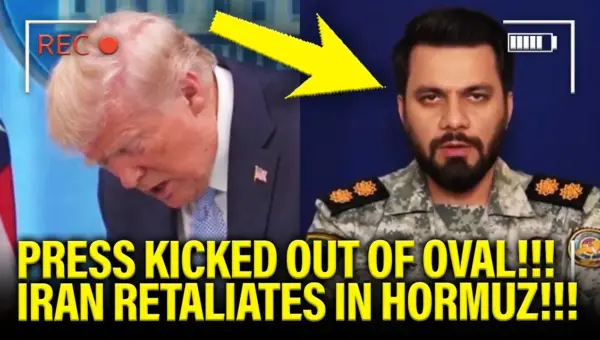
Trump Kicks Press Out Amid Iran Strait Crisis
President Trump abruptly ended a press conference by removing reporters amid escalating tensions with Iran. Iran announced it was fully closing the Strait of Hormuz, citing US "bad faith" negotiations and "piracy." The events raise concerns about global stability and future diplomatic efforts.
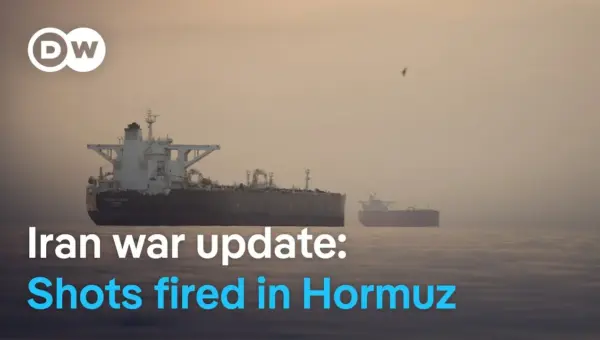
Iran Reverses Strait of Hormuz Reopening, Fuels Gulf Tensions
Iran has abruptly reversed its decision to reopen the vital Strait of Hormuz, hours after announcing it would allow maritime traffic to resume. Iranian gunboats reportedly fired on a tanker off Oman, fueling fears of escalating tensions. The move follows a fragile ceasefire in Lebanon, which experts suggest may be linked to the Hormuz situation.