Hungary Ousts Orbán: A Blow to Illiberal Democracy
Hungarian voters have removed Viktor Orbán from power, ending his 16-year rule and potentially signaling a global shift away from illiberal democracy. The election saw the opposition, led by Peter Magyar, defeat Orbán's party amid concerns over democratic backsliding and close ties to Russia.

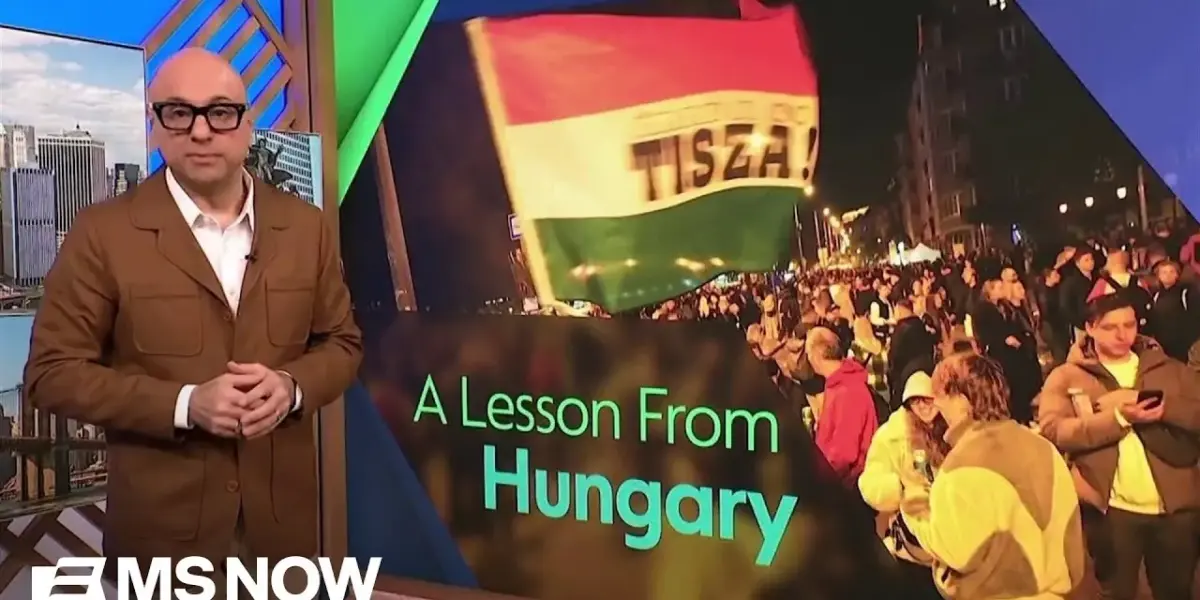
Hungary Votes Out Viktor Orbán, Ending Long Reign
In a significant political shift, Hungarian voters have ousted longtime Prime Minister Viktor Orbán, ending his 16-year grip on power and marking a potential setback for illiberal democratic movements worldwide. The election results saw Orbán’s Fidesz party suffer a major defeat against the opposition coalition led by Peter Magyar, who is expected to become the next prime minister. This outcome offers a glimmer of hope for liberal democracies, suggesting that even entrenched authoritarian-leaning leaders can be voted out.
The change comes after years of concerns over democratic backsliding in Hungary under Orbán’s leadership. Critics pointed to a crackdown on freedoms, increased corruption, strict anti-immigration policies, and the weakening of independent media and the judiciary. Orbán himself had previously described his model of governance as an “illiberal state,” prioritizing national interest over individual rights and freedoms, drawing comparisons to authoritarian regimes in Russia and China.
Witnessing the Crisis in Ukraine
The reporter’s firsthand experience in Budapest in March 2022, just weeks after Russia’s full-scale invasion of Ukraine, provided a stark backdrop to Hungary’s political situation. Thousands of Ukrainian refugees, primarily women and children, arrived by train, fleeing the war with only what they could carry. Many spoke no Hungarian and had no clear plan for their future.
The Hungarian people offered widespread support, providing aid, shelter, and comfort to the arriving refugees. However, the reporter noted a significant contrast between the humanitarian response of ordinary Hungarians and the policies of Prime Minister Viktor Orbán. Despite Hungary being a NATO member, Orbán maintained close ties with Russian President Vladimir Putin, a relationship that continued and deepened during his second tenure as prime minister, which began in 2010.
Orbán’s “Illiberal Democracy” Model
Under Orbán’s extended rule, Hungary was often described as an “illiberal democracy.” This form of government allows elections to occur but often suppresses opposition, restricts freedoms, and undermines constitutional limits on power. Orbán himself outlined this vision in a 2014 speech, citing China, Turkey, and Russia as models for the Hungary he was building.
He stated that the new state would not reject liberal principles like freedom but would not make them the central focus of state organization. Instead, a “different special national approach” would be adopted, where the “national interest” dictated by the ruler would take precedence over individual rights. This approach has drawn parallels to political trends observed in the United States under former President Donald Trump.
Signs of Change: Media Crackdown and Global Implications
One of the first actions announced by Peter Magyar following his election victory was the planned shutdown of state-controlled Hungarian television stations. He labeled these outlets as “lying news services” and “propaganda machines.” Magyar pledged to establish a real, independent public broadcaster where opposition voices could be heard, signifying a clear break from the previous regime’s media control.
The implications of Orbán’s defeat extend beyond Hungary’s borders. As writer Anne Applebaum noted, if Orbán can lose after 16 years of consolidating power over the judiciary, bureaucracy, universities, and key businesses, then his admirers in Russia and the U.S. could also face similar challenges. This election is seen by many European governments as a significant relief, offering a potential turning point against the rise of illiberalism.
Looking Ahead: A New Government and Future Challenges
While the exact nature of the new government led by Peter Magyar remains to be seen, it is clear that Hungary will no longer function as a Russian ally within Europe. Orbán leaves behind a challenging fiscal situation, and his supporters are expected to attempt to undermine the new administration. However, this election represents a crucial moment, offering a potential model for resisting authoritarian tendencies and reaffirming democratic values.
The outcome in Hungary is a potent reminder that shifts toward illiberalism are not inevitable and that citizens can indeed choose a different path. The world will be watching to see how the new government rebuilds Hungary’s democratic institutions and strengthens its independent press.
Source: Orban’s Loss In Hungary Gives Hope To Liberal Democracies Around The World (YouTube)

Related Articles
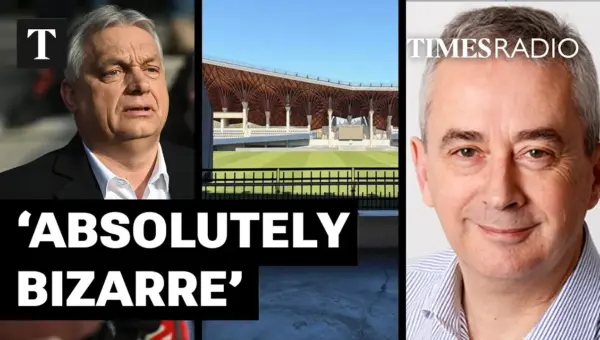
EU Funds Lavish Projects in ‘Orbán Land’ Amid Corruption Probe
An investigation into Viktor Orbán's home village, dubbed 'Orbán Land,' reveals lavish projects like a football stadium and artificial lake funded by EU cash. Whistleblowers and opposition leader Peter Magyar have highlighted alleged corruption, leading to Orbán's recent defeat. The new government faces high expectations for reform and a move towards a non-corrupt EU future.
European Allies Rebuke Trump’s ‘Toxic Brand,’ Shun ‘Genocidal Rhetoric’
European allies are increasingly distancing themselves from Donald Trump's 'MAGA' brand, citing his 'genocidal rhetoric' and attacks on the Pope. Reports indicate that leaders previously aligned with Trump are now finding his conduct too extreme. This global backlash, highlighted by shifts in Italy and Hungary, suggests a growing international unease with Trump's political approach.
Hungary’s Election Shift Unlocks EU Aid for Ukraine
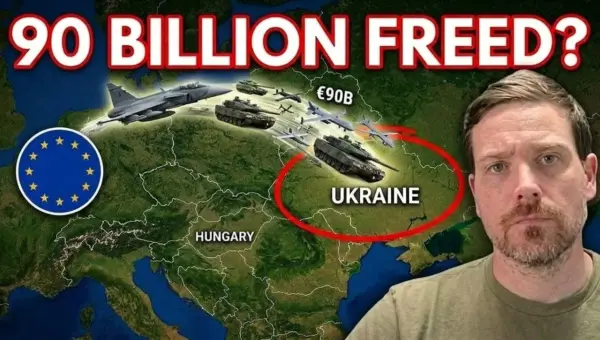
Hungary's recent election has removed a key obstacle, allowing the EU to release a crucial 90 billion euro loan to Ukraine. This shift is expected to accelerate aid and potentially speed up Ukraine's EU membership process, while also strengthening European security.