Ukraine Strikes Russian Oil Hub, Europe Boosts Defense
Ukraine is striking Russian oil infrastructure, impacting its economy and signaling stalled invasion progress. Meanwhile, European nations are significantly boosting defense aid and drone production for Ukraine, indicating a growing commitment to regional security.


Ukraine Targets Russian Oil Infrastructure, Europe Increases Military Aid
Ukraine has intensified its attacks within Russian territory, recently striking the Tuapse oil refinery, one of Russia’s ten largest. This action signals to the Kremlin that its invasion has stalled and that Russia is facing consequences.
While these attacks may not directly sway President Putin or Foreign Minister Lavrov, they could sow seeds of discontent among those in Putin’s inner circle. This spring and summer could reveal growing unease within Russia’s elite as the nation grapples with its stalled military progress in Ukraine and retaliatory strikes on its own soil.
Ukrainian President Volodymyr Zelenskyy announced Ukraine’s capacity to produce millions of FPV drones. He also stated that Ukraine is supplying its own long-range missiles, interceptors, shells, and drones, including systems like Flamingo and Neptune.
Ukrainian drones have reportedly achieved ranges of up to 1,000 miles. These developments come as Ukraine continues to strike critical Russian infrastructure, including an oil terminal in Russia.
Strategic Context: Economic Warfare and Shifting Dynamics
The attacks on Russian oil infrastructure are a form of economic warfare. By targeting refineries and oil hubs, Ukraine aims to disrupt Russia’s primary source of revenue.
This directly impacts Russia’s ability to fund its war effort and maintain its economy. The strikes also demonstrate Ukraine’s growing capability to project power beyond its borders, shifting the narrative from solely defensive actions to offensive retaliations.
This strategy aligns with Ukraine’s broader goal of making the invasion unsustainable for Russia. It forces Russia to divert resources to protect its domestic infrastructure, weakening its offensive capabilities. The attacks also serve as a clear reminder to the Russian leadership and population that the war has a direct cost beyond the battlefield in Ukraine.
Europe’s Growing Defense Commitment
In response to the ongoing conflict and a perceived need for greater self-reliance, European nations are significantly increasing their defense contributions to Ukraine. The United Kingdom has announced its largest-ever drone delivery to Ukraine, providing 12,000 drones. Spain and Belgium have each committed 1 billion euros in assistance for the current year, including military aid.
This surge in European support highlights a strategic shift. While U.S. resources have been impacted by events in the Middle East, Europe is stepping up to fill the gap.
This increased investment in defense production and aid signifies a long-term commitment to Ukraine’s security and a more robust European defense posture. This could lead to a more independent European security framework, even with continued U.S. intelligence sharing.
Historical Parallels: Resilience and Rebirth
Ukraine’s current struggle and its ability to strike back inside Russia draw parallels to the American Revolution. Despite initial setbacks and reliance on foreign aid, the nascent United States eventually developed the capacity to defend itself and strike back against British forces. This period fostered a sense of national pride and a belief in the nation’s future contributions to the world.
Similarly, Ukraine, a nation reborn just 35 years ago, is demonstrating resilience and a growing sense of agency. Its ability to develop advanced drone technology and conduct long-range strikes showcases a nation not just defending itself but actively shaping its future and contributing to broader European security. This growing self-sufficiency is crucial as Ukraine aims to integrate further into European structures like the EU and NATO.
Strategic Implications: A New European Security Order?
The combination of Ukraine’s offensive capabilities and Europe’s increased defense spending suggests a potential recalibration of European security. While U.S. involvement remains vital, the growing European commitment indicates a move towards greater regional responsibility. This could lead to a more unified and capable European defense network, capable of addressing threats independently.
For Russia, the persistent attacks on its economy and the strengthening of European defenses present a complex challenge. The Kremlin’s initial objectives of a swift victory have been replaced by a protracted conflict with increasing costs. The potential for internal dissent among the Russian elite, fueled by military stagnation and economic pressure, remains a key factor to watch.
The article also briefly touched upon political commentary regarding Donald Trump’s public statements and perceived mental state, as well as discussions on US-Iran negotiations and the Strait of Hormuz. These segments focused on political discourse rather than direct military developments in the Ukraine conflict.
The situation remains dynamic, with Ukraine demonstrating increasing offensive capabilities and Europe solidifying its commitment to Ukraine’s defense and its own security infrastructure.
Source: 💥Russia’s oil empire ROCKED — Inner circle to BREAK RANKS @WorldatStake24 (YouTube)

Related Articles
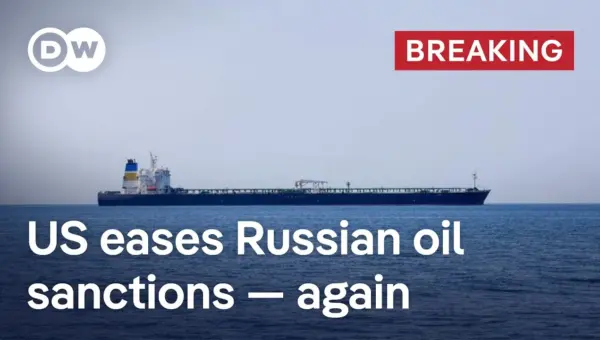
US Eases Russian Oil Sanctions, Sparking Outrage in Ukraine
The United States has extended a waiver allowing sanctioned Russian oil to flow, drawing sharp criticism from Ukraine and European allies. Kyiv views the move as a financial boon for Russia, potentially undermining efforts to end the war. The decision comes amid volatile global energy prices and raises questions about the effectiveness of international sanctions.

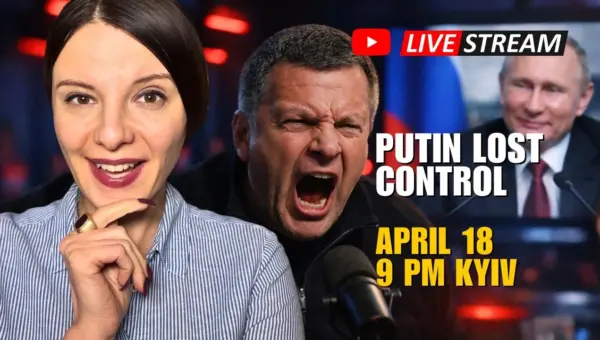
Ukraine Drones Strike Russian Oil Terminals
Ukrainian forces are increasingly targeting Russian oil export terminals to cut off war funding. Meanwhile, economic woes deepen within Russia, with officials acknowledging negative GDP growth. Ukraine's drone warfare is evolving, allowing for strategic strikes on Russian infrastructure and demonstrating resilience.


Ukraine’s Drone Swarms Outwit Russia’s Air Defenses
Ukraine's 'Operation Spider Web' successfully used inexpensive drones to strike Russian nuclear-capable bombers. This covert operation, planned over 18 months, highlights Ukraine's innovative approach to warfare and its ability to achieve strategic objectives with limited resources.