Hungary Election Shows Illiberalism Can Be Defeated
Hungary's recent election saw Peter Magyar's opposition movement achieve a victory against Viktor Orban's ruling party, demonstrating that illiberalism can be challenged. The campaign overcame extensive media control and systemic disadvantages through a strong grassroots effort. Historian Anne Applebaum suggests the strategy of linking everyday economic concerns to government corruption offers a vital lesson for democracies worldwide, including the United States.

Hungary Election Offers Hope Against Illiberalism
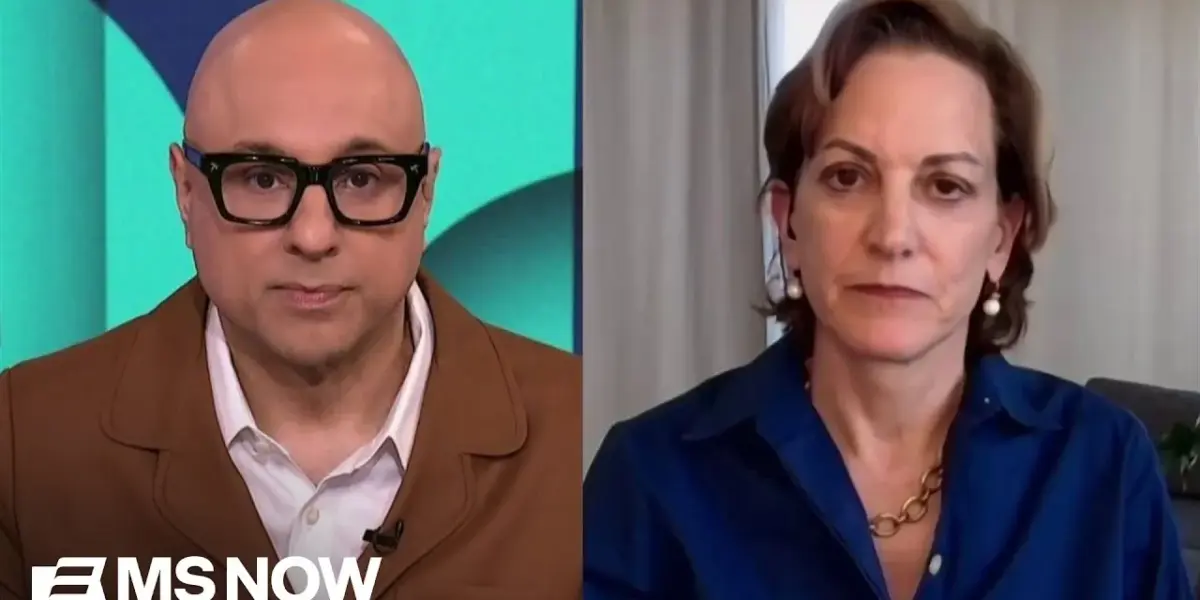
In a significant development for democratic movements, Peter Magyar’s opposition movement in Hungary has achieved a notable victory against Viktor Orban’s long-standing Fidesz party. This election outcome, analyzed by Pulitzer Prize-winning historian Anne Applebaum, offers a compelling case study demonstrating that illiberalism, despite its grip on power, is not an inevitable force. Applebaum’s insights, shared in a recent discussion, highlight the strategic challenges faced and overcome by the opposition, providing a roadmap for others fighting similar battles.
Navigating an Uneven Playing Field
Magyar’s campaign faced extraordinary hurdles designed to entrench Orban’s power. The government exerted control over an estimated 90 percent of media outlets, leaving little room for independent voices.
The electoral system was skewed to favor rural areas over cities, where liberal support is traditionally stronger. This created an environment where traditional media outreach was severely limited.
The personal toll on Magyar was also immense. He endured constant harassment, and even a former girlfriend was reportedly enlisted by the ruling party to spy on him and record private conversations.
His party’s data was hacked and released online, a tactic aimed at encouraging harassment of its members. These severe pressures highlighted the non-traditional nature of this election contest.
Grassroots Power Over State Control
Facing overwhelming media control and an unfavorable election system, Magyar’s strategy centered on a robust grassroots campaign. Recognizing the limitations of traditional media, his team prioritized direct engagement with voters across the country. They focused on building real-world connections, traveling extensively to rural towns and villages.
This approach allowed Magyar to bypass state-controlled media and reach people directly. It was an old political tactic, Applebaum noted, but one that proved effective in overcoming near-total state control by a single party. The campaign’s success demonstrated the power of persistent, personal outreach when digital and traditional channels are compromised.
Connecting Kitchen Table Issues to Corruption
Voter concerns in Hungary mirrored those often heard in other democracies, including economic anxieties and dissatisfaction with the ruling party’s performance. A significant issue, particularly in cities like Budapest, was widespread concern over corruption and the concentration of wealth and power among a select few connected to the government.
Magyar skillfully linked these everyday economic worries to the issue of government corruption. He argued that citizens’ economic struggles, from worsening schools and hospitals to limited business opportunities, were a direct result of the ruling party’s alleged theft and self-dealing. This message resonated beyond traditional opposition circles, even reaching voters in the countryside who could see the unfair distribution of government funds.
Orban’s ‘National Socialism’ Model
Applebaum described Orban’s governing model not as typical free-market libertarianism, but as a form of “national control.” In this system, the government actively decides which businesses and individuals prosper, often through preferential treatment in government contracts. This heavy-handed approach to the economy was evident to many Hungarians after 16 years of Orban’s rule.
The perception of an unfair system, benefiting those close to the ruling party, fueled public discontent. This sentiment played a role in the election’s outcome, particularly evident in the strong reaction seen in Budapest on election day. Voters recognized that the system was designed to reward connections rather than merit.
Independent Journalism Under Pressure
The election also highlighted the crucial, albeit difficult, role of Hungary’s remaining independent journalists. Their work in exposing sensitive information, such as a reported private conversation between Orban and Vladimir Putin where Orban allegedly described himself as a mouse to Putin’s lion, proved significant.
Journalists in Hungary face immense pressure. Those who break important stories are often targeted with accusations of being foreign agents, subjected to intense personal harassment, and even doxxed. The government also uses financial pressure, regulation, and the strategic allocation of state advertising to influence media outlets, effectively tilting the scales against independent reporting.
The Impact of Foreign Policy Revelations
Towards the end of the campaign, revelations concerning Orban’s dealings with Russia gained prominence. Reports of conversations between Orban and Putin, as well as communications between the Hungarian Foreign Minister and his Russian counterpart, suggested a level of collusion regarding European Union sanctions against Russia. This was particularly sensitive for Hungarians with memories of Soviet occupation.
These revelations sparked outrage among many Hungarians, including younger generations. The resurgence of chants like “Russians go home,” echoing the anti-Soviet protests of 1956, demonstrated the profound impact of these foreign policy disclosures. While not the primary campaign issue, they became influential in the election’s final stretch.
Lessons for America and Beyond
Applebaum stressed that the Hungarian election offers a vital lesson: do not give up the fight against illiberalism. She urged continued resistance and emphasized the importance of connecting seemingly separate issues, much like the Hungarian opposition did.
For American politicians, Applebaum suggested drawing parallels between everyday concerns and broader political issues. For instance, the state of American healthcare could be directly linked to tax policies favoring the wealthy.
By making these connections clear to voters, she believes, the political landscape in America could begin to shift. The fight against illiberal tendencies requires a similar strategic approach, linking personal struggles to systemic problems.
The Hungarian election results, particularly the opposition’s success in overcoming significant state-controlled obstacles, serve as a powerful reminder that democratic resilience is possible. The coming months will show if this model can inspire similar movements elsewhere in challenging authoritarian trends.
Source: Applebaum: Orban’s loss in Hungary shows illiberalism is not inevitable (YouTube)

Related Articles

Hungary Ousts Orbán: A Blow to Illiberal Democracy
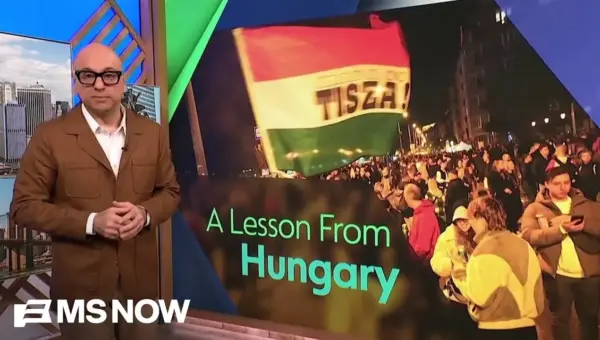
Hungarian voters have removed Viktor Orbán from power, ending his 16-year rule and potentially signaling a global shift away from illiberal democracy. The election saw the opposition, led by Peter Magyar, defeat Orbán's party amid concerns over democratic backsliding and close ties to Russia.


EU Funds Lavish Projects in ‘Orbán Land’ Amid Corruption Probe
An investigation into Viktor Orbán's home village, dubbed 'Orbán Land,' reveals lavish projects like a football stadium and artificial lake funded by EU cash. Whistleblowers and opposition leader Peter Magyar have highlighted alleged corruption, leading to Orbán's recent defeat. The new government faces high expectations for reform and a move towards a non-corrupt EU future.

European Allies Rebuke Trump’s ‘Toxic Brand,’ Shun ‘Genocidal Rhetoric’
European allies are increasingly distancing themselves from Donald Trump's 'MAGA' brand, citing his 'genocidal rhetoric' and attacks on the Pope. Reports indicate that leaders previously aligned with Trump are now finding his conduct too extreme. This global backlash, highlighted by shifts in Italy and Hungary, suggests a growing international unease with Trump's political approach.