Iran Reverses Strait of Hormuz Reopening, Fuels Gulf Tensions
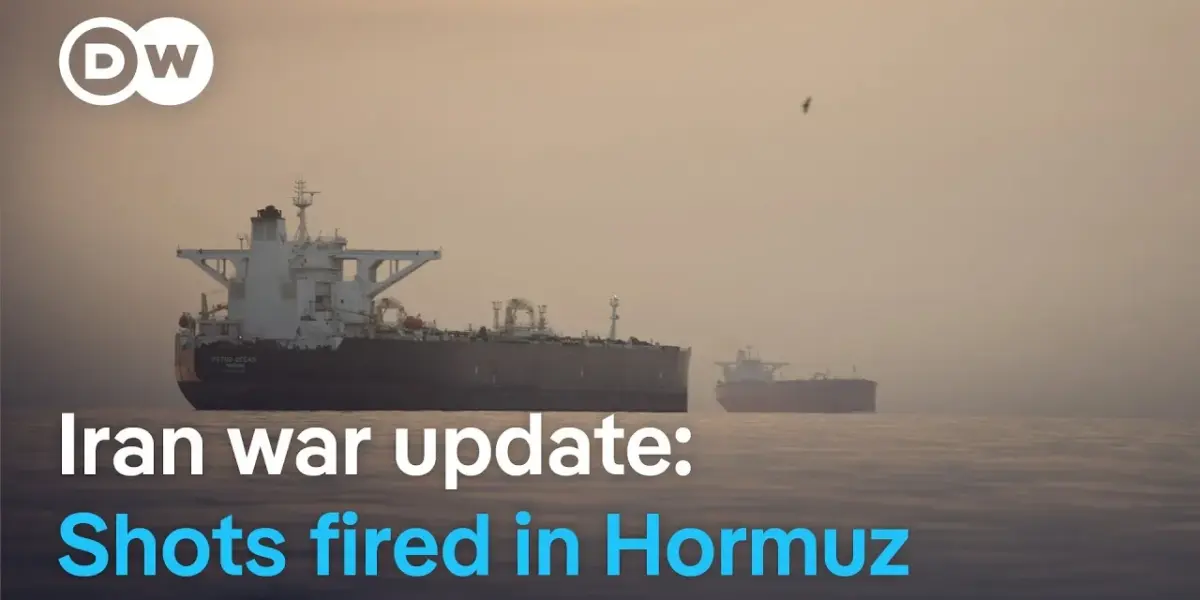
Iran has abruptly reversed its decision to reopen the vital Strait of Hormuz, hours after announcing it would allow maritime traffic to resume. Iranian gunboats reportedly fired on a tanker off Oman, fueling fears of escalating tensions. The move follows a fragile ceasefire in Lebanon, which experts suggest may be linked to the Hormuz situation.

Iran Reverses Strait of Hormuz Reopening, Fuels Gulf Tensions
Iran has abruptly reversed its decision to reopen the vital Strait of Hormuz, just hours after announcing it would allow maritime traffic to resume. The move has heightened tensions in the Persian Gulf region, with hundreds of ships now stalled and global oil supplies facing renewed uncertainty.
Sudden Reversal Sparks Confusion
The sudden reversal came less than 24 hours after Tehran declared the strategic waterway would be accessible again. This rapid change in policy has caused significant confusion among international observers and shipping companies.
Gunboats Fire on Tanker, Disrupting Traffic
Adding to the confusion, the British military reported that Iranian gunboats fired on a tanker off the coast of Oman. This incident occurred without any prior radio warning. Merchant vessels also reported receiving radio messages from Iran’s Navy, warning them not to pass through the strait.
Iran Cites US Blockade as Reason
Iran stated that its actions were a direct response to a continued U.S. blockade of Iranian ports. Tehran described this blockade as a violation of a ceasefire agreement. The strait, which handles roughly 20% of the world’s oil and liquefied natural gas, remains a critical chokepoint for global energy markets.
Lebanon Ceasefire Fragile Amid Renewed Clashes
The initial announcement to reopen the Strait of Hormuz followed a U.S.-brokered ceasefire deal in Lebanon, ending over a month of conflict between Israel and Hezbollah. Displaced civilians had begun returning to their homes in southern Lebanon, causing some traffic delays. However, the ceasefire appears fragile.
Israel’s army reported striking southern Lebanon after Hezbollah militants approached its troops. In a separate incident, a French soldier serving with UN peacekeepers in southern Lebanon was killed, and three others were injured in an attack.
Lebanon Eyes Direct Talks, Hezbollah Distances Itself
Lebanon’s government announced it is preparing for the first direct negotiations with Israel in decades. Hezbollah, however, stated that these talks do not concern them, labeling the initiative a failure. This highlights ongoing divisions and mistrust in the region.
Expert Analysis: Speed and Complexity Drive Decisions
Simon Mabin, a professor of international politics at Lancaster University, described the situation as incredibly fluid and in flux. He noted that rapid decisions are being made by multiple actors, including Iran, the U.S., and Israel. This speed complicates strategic planning, communication, and policy direction.
“I think it tells us that right now we’re seeing things play out at speed. We’re seeing rapid decisions being taken both in Tehran, in Washington, uh in Beirut and and in Israel broadly and I think that makes the whole situation incredibly fluid, incredibly uh in in flux, a very live set of issues.”
Simon Mabin, Professor of International Politics
Mixed Signals from Iran
Mabin pointed out that Iran is sending mixed messages. The country announced the reopening of the strait for civilian traffic, only to rapidly close it again. This reversal appears linked to the U.S.’s perceived reluctance to meet Iran’s demands, which some in Tehran view as necessary next steps.
Escalation Risks in Diplomatic Maneuvering
Regarding the incident with the gunboats firing on the tanker, Mabin suggested it could be part of an effort by all sides to strengthen their negotiating positions. He warned that this tactic risks further escalation and could break the ceasefire, leading to a resumption of hostilities. The professor expressed concern about who is truly setting the agenda, questioning if those involved in diplomatic efforts are the same individuals directing aggressive actions.
Disagreement Over Claims and Policies
There is a clear disagreement between U.S. President Donald Trump and Iranian officials. Trump has insisted Iran agreed not to close the strait again.
However, Iran’s parliamentary speaker claimed all seven points made by Trump in a recent hour-long statement were false. Mabin advised trusting actions over words, stating that Iran should be believed when its actions align with its statements.
Trump’s On-the-Fly Policy Making
Mabin characterized Trump’s approach as issuing statements and setting policy positions on the fly. This ad hoc method is partly a response to the fast-moving situation and partly an attempt to steer events in his desired direction. The announcement of the Lebanon ceasefire deal, reportedly made by Trump before full agreement with Israeli counterparts, exemplifies this approach.
Intertwined Crises: Hormuz and Lebanon
While Trump insists the Strait of Hormuz issue and the Lebanon ceasefire are unrelated, Iranian officials and others believe they are directly linked. Iran had stated that a ceasefire in Lebanon was a necessary condition for talks and for reopening the strait. Mabin suggested Trump might be separating the issues to allow for continued Israeli presence in Lebanon without jeopardizing broader U.S.-Iran diplomatic talks.
Fragile Lebanon Ceasefire Complicated by UN Peacekeeper Attack
The situation in Lebanon is further complicated by reports of attacks on UN peacekeepers. The killing of a French peacekeeper and the injury of three others, with French President Macron pointing fingers at Hezbollah, highlights the fragility of the ceasefire.
Mabin noted that Hezbollah was not directly involved in the ceasefire negotiations, making adherence difficult. The presence of Israeli troops within Lebanese territory remains a red line for Hezbollah, further straining the agreement.
Gulf Neighbors Watch Closely
Iran’s neighbors, including Saudi Arabia and the UAE, are closely monitoring the developments. They fear both a nuclear-capable Iran and the economic threat posed by an unstable Strait of Hormuz.
These Gulf states have shown a pragmatic approach in recent years, exemplified by the normalization agreement between Saudi Arabia and Iran. Instability in the region is seen as detrimental to their long-term economic development plans, such as Saudi Arabia’s Vision 2030.
Pragmatism and Economic Interests
Despite ongoing regional rivalries, the Gulf states recognize the need for a stable region to achieve their economic and social goals. However, the relationship with the U.S. and Iran’s role in the region are subjects of ongoing deliberation, especially after recent attacks attributed to Iran.
Looking Ahead
The coming days will be critical in determining whether the Strait of Hormuz remains closed and how the fragile ceasefire in Lebanon holds. All eyes will be on diplomatic channels and the actions taken by Iran, the U.S., and regional players to de-escalate tensions and prevent further conflict.
Source: Iran's sudden Hormuz reversal: What it signals now | DW News (YouTube)

Related Articles
Iran Re-Imposes Strait of Hormuz Blockade Amid Tensions
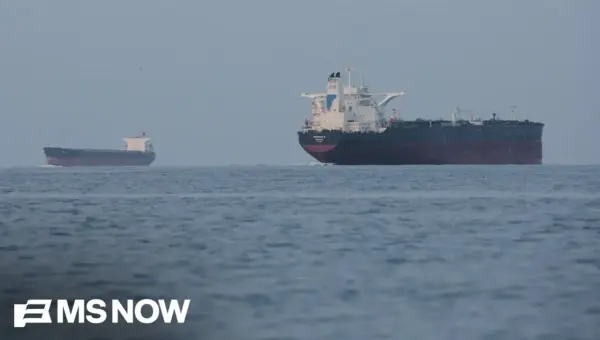
Iran has reimposed restrictions on the Strait of Hormuz, citing the ongoing U.S. naval blockade. This reversal follows brief declarations of openness and comes amid multiple attacks on vessels in the waterway. The chaotic situation threatens fragile ceasefires and complicates ongoing diplomatic negotiations.

Strait of Hormuz Closure Threatens Global Energy Supply
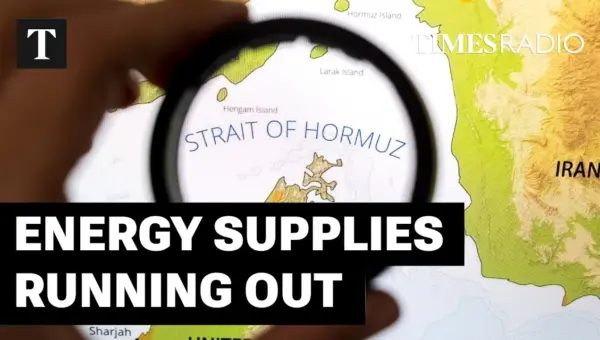
Global energy supplies face critical shortages as the Strait of Hormuz remains closed following an attack on a cargo vessel. Economist Mohamed El-Erian warns that Asia is already experiencing severe energy problems, with Europe facing similar issues if the situation persists. The ongoing uncertainty also impacts global markets and businesses, highlighting the fragility of current supply chains.

Iran Deal Collapse Fuels Oil Market Volatility
Initial optimism over an Iran deal sent oil prices tumbling, but the optimism was short-lived as the Strait of Hormuz was reportedly closed again. This volatility highlights the significant economic damage already done, with over 500 million barrels of oil lost from the global market and $50 billion in revenues disappearing. The crisis has drained oil inventories and created a supply shock that fuels inflation and complicates economic recovery.