Trump’s Strait of Hormuz Claims Crumble Amidst New Conflict
Donald Trump's confident declarations about the Strait of Hormuz being open have been sharply contradicted by Iran's actions. Following his pronouncements, Iran closed the strait and began firing on tankers, turning a claimed victory into a new crisis. This rapid reversal raises concerns about market manipulation and who truly benefits from ongoing conflicts.


Trump’s Bold Claims on Strait of Hormuz Unravel
Donald Trump repeatedly declared the Strait of Hormuz open for business. He posted dozens of times, boasting that nothing could stop it and no one would close it. These pronouncements painted a picture of assured stability and control over a vital global shipping lane.
However, reality quickly contradicted these confident statements. Iran’s speaker of parliament claimed Trump made seven false statements in just one hour. Soon after, Iran announced it had closed the Strait of Hormuz.
The Iranian Revolutionary Guard Corps began firing at tankers attempting to pass through the strait. This action directly undermined Trump’s earlier assurances of an open waterway. The situation escalated rapidly, turning a declared victory into a new crisis.
A Return to the Status Quo Becomes the New Goal
The immediate objective in the conflict has now become reopening the Strait of Hormuz. The new aim is to restore the situation to what it was on February 25th, 2026. This date was just a few days before the current conflict began.
This rapid reversal suggests a pattern of instability following Trump’s pronouncements. It appears that as soon as markets closed on Friday, the situation deteriorated. This timing raises serious questions about market manipulation.
It is market manipulation at its finest. It is once again Donald Trump and everybody around him putting money in their pocket because they surely shorted something Friday night before the market closed 100%.
The implication is that individuals connected to Trump may have profited from this volatility. Shorting stocks before a market downturn is a way to make money when prices fall. This suggests a potential conflict of interest, where personal gain might have been prioritized over public stability.
The Human and Economic Cost of Conflict
The consequences of this unstable situation are severe and far-reaching. Thirteen American service members have lost their lives. Countless civilians have also been killed in the ongoing conflict.
Military bases have been significantly damaged, and vital equipment has been destroyed. The economic impact is also substantial, affecting global trade and oil prices. This widespread destruction highlights the high cost of international tensions.
Who Truly Benefits from War?
The transcript points to specific groups profiting from these conflicts. Defense contractors are mentioned as major beneficiaries. Their business relies on military spending and the production of weapons and equipment.
Oil companies also stand to gain, particularly when shipping lanes are disrupted. Fluctuations in supply can lead to higher prices, increasing their profits. The term “corrupt politicians” suggests that some elected officials may also be benefiting, possibly through lobbying or other means.
The “Epstein class” is also brought up, implying a group of wealthy and influential individuals who seem to profit regardless of the circumstances. This suggests a system where certain elites consistently benefit from instability and conflict.
Why This Matters
This situation highlights the dangers of political rhetoric that does not align with reality. When leaders make grand claims about stability, only for events to quickly prove them wrong, it erodes public trust. It also creates economic uncertainty, which can harm ordinary people.
The potential for market manipulation adds another layer of concern. If individuals are profiting from conflict and instability, it creates a perverse incentive to prolong or even instigate such situations. This raises ethical questions about leadership and accountability.
Historical Context and Future Outlook
The Strait of Hormuz has long been a critical chokepoint for global oil supplies. Its strategic importance means that any disruption there has immediate and significant international repercussions. History is replete with examples of conflicts and tensions centered around this vital waterway.
The current events echo past periods of heightened tension in the region. The pattern of escalation, followed by attempts to de-escalate or restore a previous state, is a recurring theme. The challenge lies in finding a stable resolution that does not involve further loss of life or economic damage.
The future outlook depends on diplomatic efforts and the willingness of all parties to de-escalate. Restoring stability to the Strait of Hormuz is crucial for the global economy. The international community will be watching closely to see if a lasting peace can be achieved, or if the cycle of conflict will continue.
The focus now returns to the immediate goal: reopening the Strait of Hormuz. This task is urgent, given the economic and human costs of its closure.
Source: Trump Bragged… Then It Fell Apart @mike_nellis #politics #fyp #new (YouTube)

Related Articles
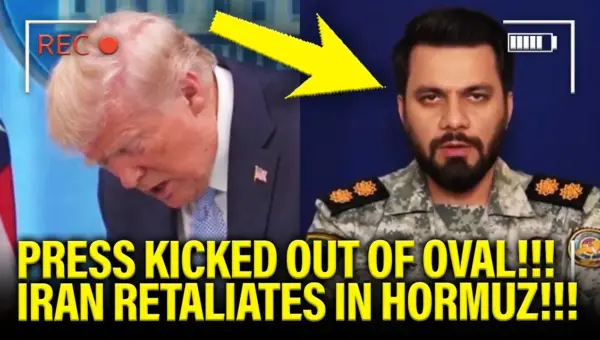
Trump Kicks Press Out Amid Iran Strait Crisis
President Trump abruptly ended a press conference by removing reporters amid escalating tensions with Iran. Iran announced it was fully closing the Strait of Hormuz, citing US "bad faith" negotiations and "piracy." The events raise concerns about global stability and future diplomatic efforts.

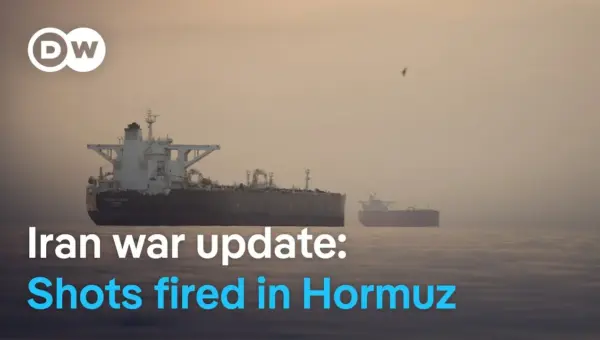
Iran Reverses Strait of Hormuz Reopening, Fuels Gulf Tensions
Iran has abruptly reversed its decision to reopen the vital Strait of Hormuz, hours after announcing it would allow maritime traffic to resume. Iranian gunboats reportedly fired on a tanker off Oman, fueling fears of escalating tensions. The move follows a fragile ceasefire in Lebanon, which experts suggest may be linked to the Hormuz situation.

GOP Faces Crisis: Trump’s Failures Threaten Election Wins
Republican strategists are increasingly worried that the party has accomplished little for the public. They fear Donald Trump's ongoing mistakes are costing them winnable elections. Independent voters, crucial in close races, are showing unease, making it hard for Republicans to craft a winning message.