Iran Faces Economic Collapse Under Sanctions Pressure
Iran is facing severe economic strain as international sanctions bite hard, potentially threatening its ability to survive financially. Analysts believe a strategy of financial pressure, including a blockade on oil sales and seizure of offshore assets, is crippling the nation.

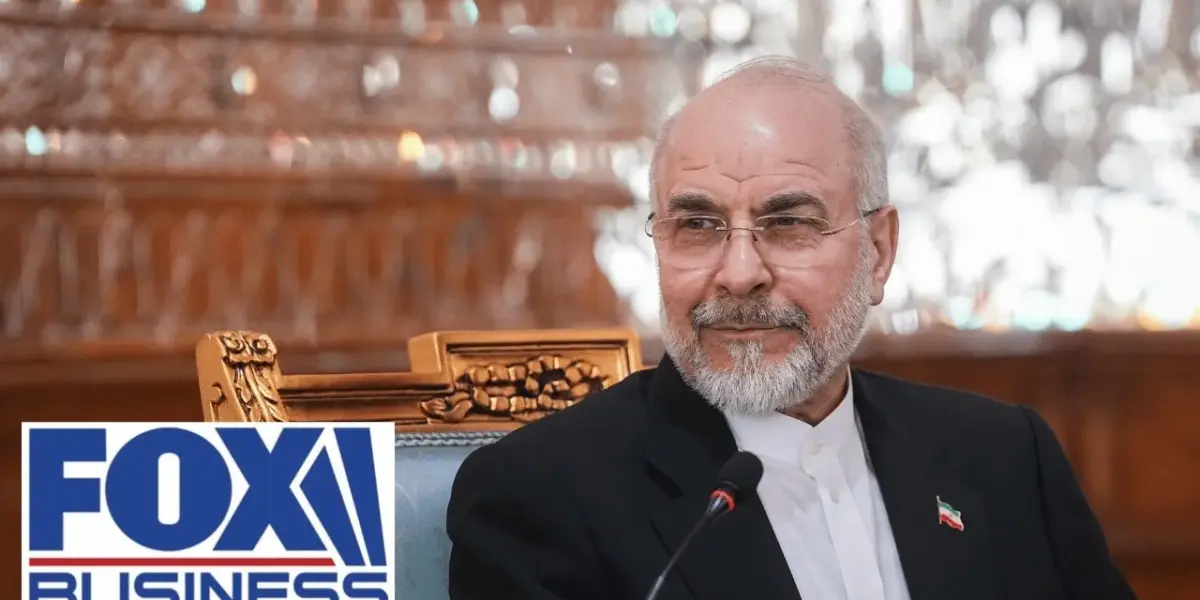
Iran’s Economy on Brink as Sanctions Bite Hard
Iran is facing severe economic strain, with experts suggesting the nation may struggle to survive the financial damage inflicted by international sanctions. The current strategy appears to be a financial squeeze, aiming to starve the country of essential revenue and force a change in its behavior.
President Trump’s administration has extended a ceasefire, contingent on Iran submitting a unified proposal. However, the internal political structure of Iran is described as fractured, with hardline elements of the Islamic Revolutionary Guard Corps (IRGC) holding significant control. This internal division complicates any potential negotiations and leaves Iran in a vulnerable position.
Financial Pressure Mounts on Tehran
The core of the current strategy involves a strict blockade, preventing Iran from selling oil and accessing funds. This approach aims to cut off the flow of money, a move that analysts believe is highly effective. Iran’s historical tactic of prolonged negotiations to outwait opponents is unlikely to work this time, as their financial reserves are rapidly depleting.
“They have no cards to play,” stated Victor Davis Hanson, a senior fellow at the Hoover Institution. “The Chinese are not going to help them. The Russians are out of the Middle East.
The Europeans… They don’t anymore.” The Gulf states have also shifted their allegiance, now siding with Israel and the United States.
Internal Divisions and External Isolation
Iran’s ability to exert influence on the global stage has diminished significantly. Traditional allies are no longer providing support, leaving Iran increasingly isolated. The regime’s reliance on alienating international partners has backfired, leaving them with few options for economic or political relief.
The only leverage Iran might possess is perceived to be within the American political sphere, where some figures on the left and in the media have expressed skepticism about successful negotiations if it empowers President Trump. However, this internal American dynamic is not seen as a viable lifeline for Iran’s struggling economy.
Economic Damage Fuels Internal Instability
The economic pressure is so intense that Iran may not have six months until the U.S. midterm elections, but possibly not even six days before facing critical financial shortages. The IRGC and other factions within Iran are reportedly fearful not just of military action, but of the devastating economic consequences.
Many Iranian officials and their families have significant financial ties to the West, with assets and children studying in Europe and the United States. The notion of them being purely puritanical is challenged by their opportunistic and corrupt nature, making the pursuit of their wealth a particularly effective pressure point.
Targeting Offshore Assets
There is a strong call to seize offshore bank accounts and assets held by Iranian officials in places like the UAE, Turkey, and other financial hubs. These billions, allegedly stolen from the Iranian people, represent a crucial target for crippling the regime’s financial capabilities.
“The one thing that can really hurt them is going after their money, and I think that’s what they’re going to feel the most keenly,” Hanson noted. The goal is to prevent them from accessing any funds, impacting everything from payroll to retirement accounts.
A Blockade Without Bailouts
Unlike past crises, Iran has no reliable international patrons to bail them out. Both China and Russia now view Iran as a liability rather than a profitable asset. This lack of external support leaves Iran in a precarious situation, aware that their options are extremely limited.
Even potential retaliatory actions, such as launching missiles or drones, carry the risk of severe reprisal, potentially leading to their own obliteration. This puts Iran in a difficult bind, knowing they are vulnerable but also unable to act freely without risking catastrophic damage.
Controlling Key Waterways
Maintaining control over crucial waterways like the Strait of Hormuz and the Persian Gulf is seen as vital. The strategy emphasizes securing these maritime routes to further tighten the economic noose around Iran.
Regarding China, the largest buyer of Iranian oil, the U.S. has a clear message: cease oil purchases from Iran and refrain from selling them weapons. This direct approach aims to exert significant pressure on Tehran through its key trading partner.
US Oil Production as a Global Factor
The conversation also touched upon the rise of American oil production, with the idea that the U.S. can supply oil to global markets. This shift in energy dynamics means that countries are increasingly looking to the United States for their energy needs.
The ongoing situation highlights the complex interplay of international relations, economic sanctions, and internal political dynamics. The effectiveness of the current strategy hinges on sustained pressure and the continued isolation of Iran from critical financial lifelines.
Source: Iran is afraid it won't 'SURVIVE the economic damage': Victor Davis Hanson (YouTube)

Related Articles

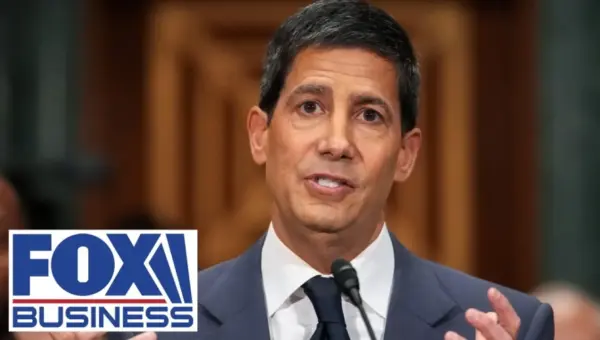
McCormick Backs Warsh for Fed Role, Eyes Iran Sanctions
Senator Dave McCormick strongly backs Kevin Warsh's nomination for the Federal Reserve, praising his reformist approach and deep market experience. Warsh's potential tenure could bring significant changes to the Fed's monetary policy strategies. The conversation also touched upon the ongoing economic blockade against Iran and the extension of a ceasefire.


US-Iran Tensions: What Happens If Talks Collapse?
The failure of upcoming U.S.-Iran talks could plunge the Middle East into a dangerous new phase. Analysts warn of three potential scenarios, ranging from a fragile de facto ceasefire to renewed hostilities initiated by either side. Without a formal agreement, the risk of an incident triggering wider conflict remains high.
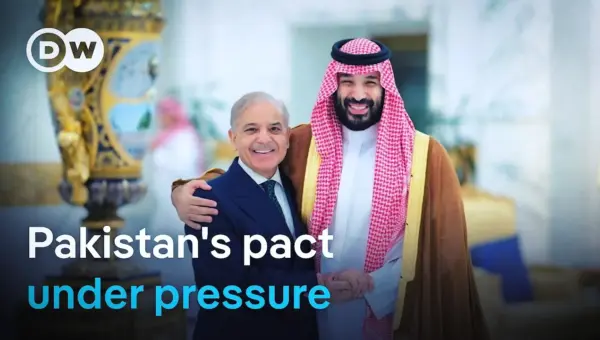
Pakistan, Saudi Arabia Deepen Military and Financial Ties
Pakistan and Saudi Arabia are deepening their strategic and economic ties, underscored by a new mutual defense pact and significant financial support. This closer alliance emerges amidst rising regional tensions, as both nations seek to bolster security and navigate complex geopolitical challenges. The strengthened relationship highlights a re-evaluation of security partnerships in the Muslim world.