FBI Director’s Lawsuit Fuels Election Conspiracy Claims
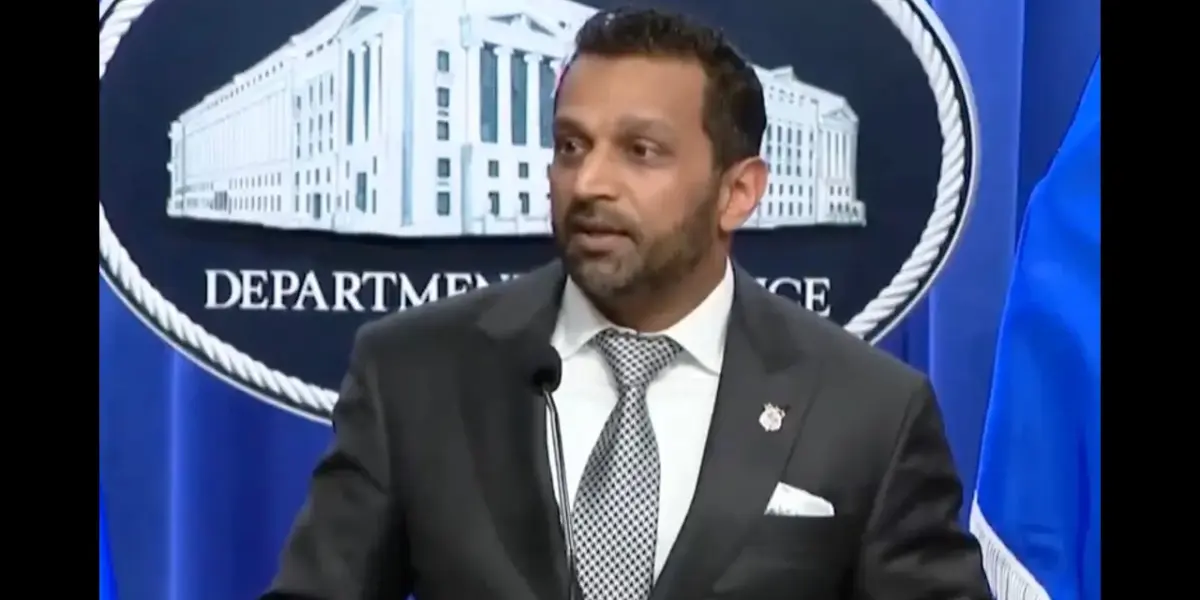
FBI Director Kash Patel is suing The Atlantic for $250 million over a report alleging unexplainable absences and intoxication. Patel denies the claims, highlighting his achievements, but his lawsuit could expose him to sworn testimony. Critics suggest his subsequent focus on election conspiracy theories is a deflection tactic.

FBI Director’s Lawsuit Fuels Election Conspiracy Claims
FBI Director Kash Patel is facing serious allegations of unexplainable absences and potential intoxication while on the job. The Atlantic published a report detailing these claims, which Patel vehemently denies. He calls the report “fake news” and has filed a $250 million defamation lawsuit against the publication and its reporter.
Patel argues that his record shows he works more than previous directors, taking fewer days off and less vacation. He points to the FBI’s successes under his leadership, including a lower murder rate, the capture of top fugitives, significant fentanyl seizures, and an increase in child victim rescues. He states he has never been intoxicated on the job and invites anyone to join the lawsuit, promising to see them in court.
A Question of Absence and Sobriety
The core of the controversy lies in a direct question posed to Patel: can he definitively say he has not been intoxicated or absent during his tenure as FBI director? His response, according to analysis, was a lengthy list of achievements that avoided a simple “no.” While he did eventually state he has never been intoxicated on the job, questions remain about what constitutes “on the job” for an FBI director.
The nature of the FBI director’s role means they are always considered on duty, regardless of official hours. An incident at 2 a.m.
On a Sunday would still require the director’s immediate attention. This raises questions about whether any level of alcohol consumption, even if below the legal limit, could be considered intoxication in the context of such a critical position.
The Legal Gamble of a Lawsuit
Filing a defamation lawsuit could be a significant gamble for Patel. If the case moves forward, The Atlantic will have the opportunity for discovery.
This process allows them to gather evidence, including taking sworn testimony from Patel and potentially dozens of others who spoke to the outlet for the original story. This could expose him to sworn depositions and compelled testimony from individuals with knowledge of his behavior.
The reporter at the heart of the story, Sarah Fitzpatrick, stands by her reporting, and The Atlantic has called the lawsuit meritless, vowing to defend it vigorously. This suggests Patel’s attempt to silence the reporting may not be successful. The focus could shift from legal definitions of intoxication to sworn accounts from numerous sources.
Shifting Focus to Election Claims
Following the article’s release, Patel appeared on Fox News not only to announce his lawsuit but also to discuss Donald Trump’s claims of a rigged 2020 election. He stated that he has been working with prosecutors to make arrests related to alleged corruption that thwarted Trump’s first presidential run and attempted to rig elections.
This move is seen by critics as a calculated effort to distract from the allegations against him. By promising arrests related to long-standing election conspiracy theories, Patel aligns himself with a key narrative of Donald Trump’s base. This tactic aims to rally support and potentially deflect attention from the serious questions about his fitness for the FBI director role.
Loyalty Over Competence?
The analysis suggests that Patel’s actions indicate a prioritization of loyalty to Donald Trump over competence in his role. The Atlantic’s reporting, sourced from over two dozen people, paints a picture of a director struggling with the demands of the job, including alleged intoxication and unreliability. This profile contrasts sharply with the requirements of leading a major law enforcement agency.
The implication is that individuals are being placed in powerful positions based on their devotion to a particular political figure rather than their qualifications. This approach, the argument goes, leads to an administration characterized by a lack of effectiveness, where loyalty is valued above all else.
“If you’re Cash Patel and you’re trying to recover from, you know, the devastating press coverage you received, what you do is you feed the boss the the meal he wants to eat. And it’s going to be junk food and it’s not going to be good for him or anybody else. But that junk food is election annihilism.
It is lies. It is conspiracy theories.”
Why This Matters
The controversy surrounding FBI Director Kash Patel highlights a critical tension between public trust in law enforcement and political loyalty. The allegations, if proven true, raise serious concerns about the integrity and operational capacity of one of the nation’s most vital agencies. The FBI director’s role demands unwavering focus and sound judgment, especially when dealing with national security and public safety.
Patel’s response, shifting the narrative to election conspiracy theories, suggests a strategy of political defense rather than addressing the substance of the allegations. This approach can erode public confidence and politicize institutions that are meant to be independent. The outcome of the lawsuit and any potential investigations will have significant implications for the future leadership and credibility of the FBI.
Future Outlook
The legal proceedings initiated by Patel’s lawsuit could bring these allegations into a public forum where evidence can be scrutinized. If The Atlantic’s reporting is validated through discovery, it could lead to further calls for Patel’s resignation or removal. Conversely, if the lawsuit is dismissed, it could be seen as a victory for Patel, though the underlying questions about his conduct might persist in public perception.
The broader trend of appointing loyalists to key positions, rather than prioritizing expertise, remains a significant concern for many observers. This dynamic can lead to instability and a focus on political narratives over effective governance. The upcoming weeks will be crucial in determining the immediate future of FBI Director Kash Patel and the ongoing debate about competence versus loyalty in public service.
Source: CRASHOUT: Kash Patel issues FURIOUS THREAT (YouTube)

Related Articles
Kash Patel Sues Media Amid Scrutiny Over Conduct
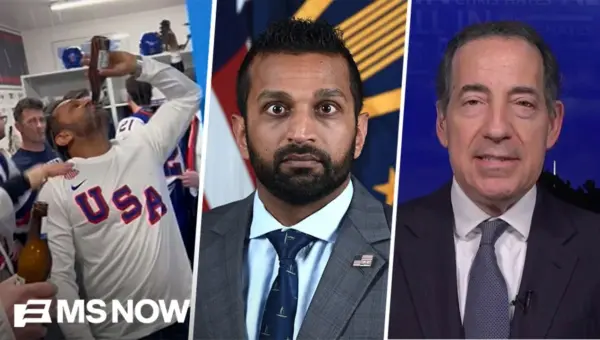
FBI official Kash Patel is suing The Atlantic magazine for $250 million, denying allegations of excessive drinking and unreliability detailed in a recent report. Congressman Jamie Raskin voiced concerns about potential government abuse and misallocation of resources within law enforcement agencies.

Democrats Launch Aggressive Attacks on Trump Allies
Democrats on Capitol Hill are intensifying their scrutiny of Trump-era figures, raising concerns about national security, ethical breaches, and the use of invasive technology. Key targets include former officials like Kash Patel and business dealings of figures like Jared Kushner, alongside calls for regulation of prediction markets.
Government Hides UFO Truth, Demands Congressman
Congressman Tim Burchett is demanding government transparency regarding UFOs, citing concerns over unexplained disappearances and massive taxpayer spending. He believes the public deserves answers about mysterious sightings reported by military pilots, which defy current scientific understanding.