Fed’s Noncompliance Could Cost Powell His Job
The Federal Reserve is facing scrutiny over its alleged noncompliance with Justice Department subpoenas. Legal analysts suggest this defiance could provide grounds for Chairman Jerome Powell's dismissal. The situation raises questions about the Fed's adherence to executive branch rules and its independence.

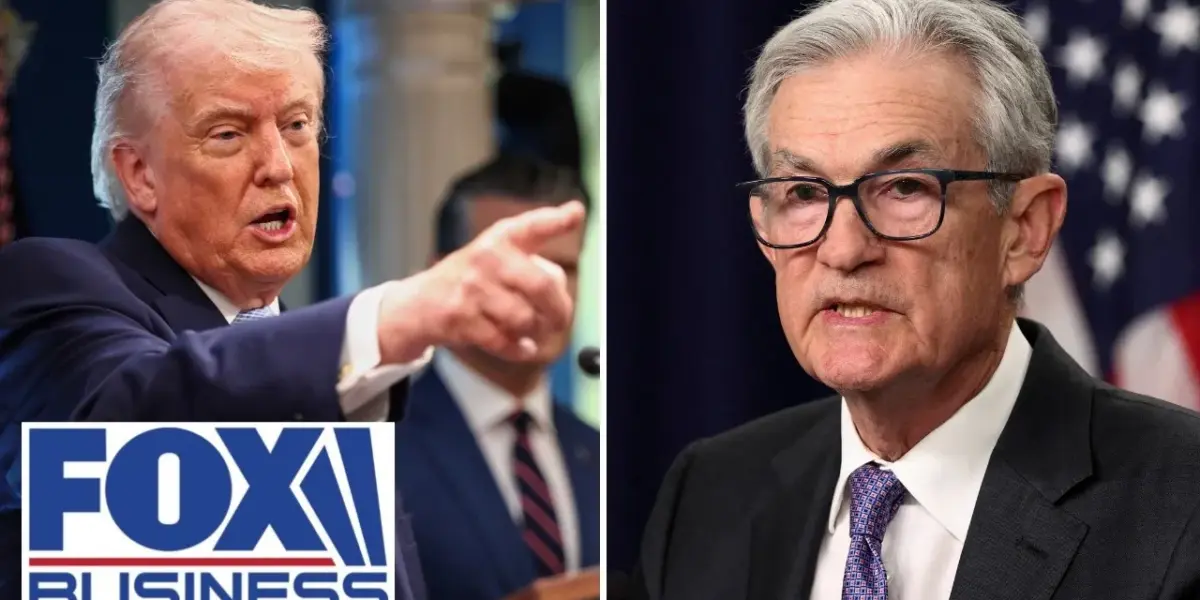
Fed Faces Dismissal Grounds Over DOJ Subpoena Defiance
The U.S. Attorney’s office has asked the Federal Reserve for information on at least four separate occasions since late last year. These requests, issued through lawful subpoenas, have reportedly gone unanswered by the Fed. This lack of cooperation is raising serious questions about the Fed’s adherence to executive branch protocols and could provide grounds for Chairman Jerome Powell’s dismissal.
Legal experts suggest that public officials have a duty to cooperate with Justice Department inquiries. Refusing to provide information when lawfully requested is seen by some as a violation of this duty. This stance is supported by legal analysis, which indicates that such noncompliance could be considered a cause for removal from office.
‘For Cause’ Dismissal: A Broad Standard
The term “for cause” dismissal is not strictly defined, allowing for a wide range of reasons. These can include actions that go against public policy or harm the United States’ economic interests. Some analysts argue that the Fed’s consistent decisions, if deemed detrimental to the U.S. economy, could meet this broad standard for dismissing its chairman.
This situation goes beyond typical monetary policy debates or cost overruns. It centers on whether the Fed is following the established rules within the executive branch. The core issue appears to be the Fed’s alleged refusal to cooperate with a legitimate request for information.
Powell’s Position Under Scrutiny
Jay Powell, the current Fed Chairman, has reportedly stated that no president can fire him. However, legal reasoning suggests this belief may be mistaken. The Federal Reserve was established by an Act of Congress in 1913, making it answerable to Congress and the American people.
As an appointee of the President, the logic follows that the President who appointed him also has the authority to remove him. This principle, often summarized as “he who hires can fire,” is being applied to Powell’s situation. The Fed operates within legal boundaries and is expected to comply with lawful directives.
The DOJ’s Information Requests
The Justice Department’s requests for information have not yet resulted in any charges being filed, according to available information. However, the refusal to provide documents in response to lawful subpoenas is being compared to a client with nothing to hide choosing to conceal information.
This stance raises concerns about what the Fed might be attempting to withhold. The lack of transparency in these interactions fuels further scrutiny of the central bank’s actions and its adherence to governmental procedures.
Market Impact and Investor Considerations
The Federal Reserve’s independence is crucial for maintaining economic stability and predictable monetary policy. However, this independence is not absolute and operates within a framework of laws and governmental oversight. If the Fed’s leadership is perceived as defying lawful orders, it could potentially undermine confidence in the institution.
Investors closely watch the Fed for signals on interest rates and economic direction. Uncertainty regarding the Fed’s leadership or its compliance with legal processes could introduce volatility into financial markets. This could affect everything from stock prices to bond yields as market participants react to potential instability.
Short-Term vs. Long-Term Implications
In the short term, news of potential dismissal proceedings could cause market jitters. Investors might become more cautious, awaiting clarity on the situation. This could lead to increased trading activity as investors try to position themselves amid the uncertainty.
Longer term, the resolution of this issue could set precedents for the relationship between the Federal Reserve and other branches of government. It could clarify the boundaries of Fed independence and the accountability of its officials. A clear adherence to legal processes would likely reinforce market confidence in the Fed’s stability and its role in the economy.
Context: The Fed’s Role
The Federal Reserve, often called the Fed, is the central bank of the United States. Its main goals include maximizing employment, stabilizing prices (controlling inflation), and moderating long-term interest rates. It achieves these goals through tools like setting interest rates and managing the money supply.
The Fed operates independently from day-to-day political influence to make crucial economic decisions. However, its structure and leadership are established by Congress, and its actions are subject to legal review. The current situation tests the limits of this independence when faced with direct requests from the Department of Justice.
The Justice Department’s requests for information from the Federal Reserve are expected to continue being a focal point in the coming weeks.
Source: ‘GROUNDS FOR DISMISSAL’: Legal analyst on Fed noncompliance with DOJ orders (YouTube)

Related Articles

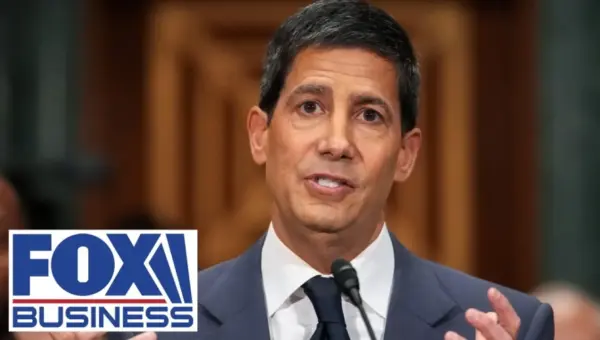
McCormick Backs Warsh for Fed Role, Eyes Iran Sanctions
Senator Dave McCormick strongly backs Kevin Warsh's nomination for the Federal Reserve, praising his reformist approach and deep market experience. Warsh's potential tenure could bring significant changes to the Fed's monetary policy strategies. The conversation also touched upon the ongoing economic blockade against Iran and the extension of a ceasefire.
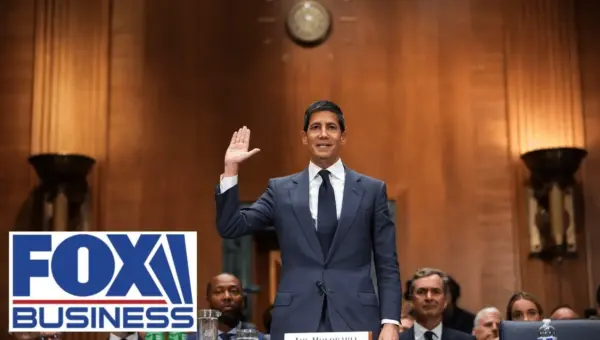
Warsh Faces Senate Grilling Over Fed Role
Kevin Warsh faced a rigorous Senate hearing for a Federal Reserve position, defending his independence from political pressure. Concerns about his wealth and experience were raised, but supporters argued his private sector background is valuable. A key senator's decision not to vote could delay the confirmation.
Fed Nominee Dodges Trump Election Question, Sparks Concern
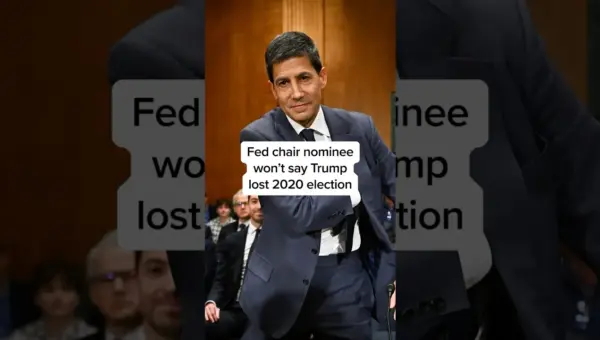
Kevin Warsh, nominated by former President Trump for the Federal Reserve, has drawn criticism for refusing to state if he believes the 2020 election was legitimate. Critics argue this hesitation raises serious concerns about his judgment and the independence required for a key economic role. His response has cast doubt on his suitability for the central bank's leadership.