Iran Ceasefire Deadline Looms Amid US Pressure and Nuclear Concerns
The US-Iran ceasefire is nearing its expiration, with President Trump accusing Iran of multiple violations. Tensions are high as the US maintains a naval blockade and extends pressure globally. Meanwhile, Texas is suing ActBlue over alleged fraudulent donations, and Canada is addressing alleged CCP transnational repression targeting Falun Gong practitioners.

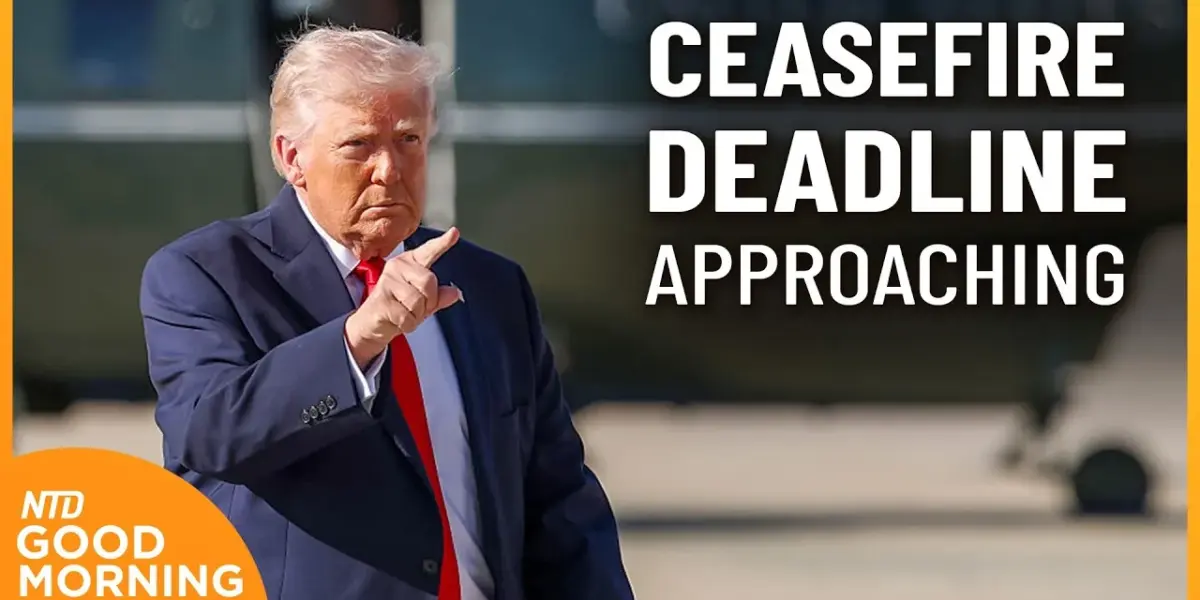
Iran Ceasefire Deadline Looms Amid US Pressure and Nuclear Concerns
As a critical 48-hour deadline approaches for a ceasefire involving Iran, President Trump has publicly accused the nation of repeated violations. This intense period comes as Vice President JD Vance prepares for high-stakes talks in Pakistan, though Iran’s official confirmation of attendance remains pending. The situation is fraught with tension, especially concerning Iran’s nuclear ambitions and its role in regional stability.
President Trump has been vocal, stating on social media that Iran has violated the ceasefire “numerous times.” These accusations follow reports of Iran allegedly targeting vessels from European nations like France and the UK. The US is emphasizing its stance that Iran will not acquire nuclear weapons and has warned of severe consequences if negotiations are not conducted in good faith. The White House has cited Iran’s past behavior in negotiations as a reason for distrust, suggesting a history of insincerity that previously led to US actions.
White House Press Secretary Caroline Levit reinforced the President’s commitment, stating that he prioritizes national interest over political considerations or media narratives. She highlighted concerns that the Iranian regime was attempting to prolong negotiations to advance its uranium enrichment capabilities, potentially for weapons development. Levit also mentioned intelligence suggesting Iran was preparing to attack US bases, troops, and allies in the region, a threat President Trump vowed to prevent.
Naval Blockade and Global Pressure
Adding to the pressure, the US naval blockade in the Strait of Hormuz remains active. Over the weekend, US forces intercepted an Iranian vessel that reportedly failed to comply with the blockade despite repeated warnings.
Shipping data indicates this vessel had recently traveled through Chinese ports, raising questions about China’s potential involvement in supporting Iran during the blockade. The Department of War released footage of a nighttime boarding operation of a sanctioned tanker in the Indo-Pacific, underscoring that the US pressure campaign extends globally, not just to the Strait of Hormuz.
The Department of War specifically said, “International waters are not a refuge for sanctioned vessels.” This statement clearly indicates the US is targeting Iran-linked vessels wherever they may appear to support the regime during the international naval blockade.
Analysis: The Path to Negotiation and Potential Regime Change
Gerard Fiti, a Middle East affairs analyst and international law attorney, described the current situation as Iran nearing a deadline imposed by President Trump for meaningful engagement. He noted that the Iranian regime has been slow to address key issues like turning over nuclear materials, ceasing ballistic missile production, and stopping funding for terror proxies – all of which are considered red lines by the US.
Fiti suggested that regime change, while perhaps not an explicit goal, is seen by some as the clearest long-term path to a peaceful and democratic Iran that cooperates with the international community. This perspective has gained traction partly due to Iran’s perceived “flip-flopping” on issues like keeping the Strait of Hormuz open, which President Trump characterized as playing games. The current regime, Fiti explained, is actively trying to gain advantages in negotiations by exerting economic and political pressure through control of oil flow.
Regarding potential negotiators from Iran, Fiti referenced a “dance of the cobras” analogy, where any perceived weakness invites attack from within the regime. He suggested the US could potentially support a moderating faction within the regime, but acknowledged the significant power consolidated by the Islamic Revolutionary Guard Corps (IRGC) and its anti-American elements. The concern is that any deal reached with elected officials might not be implemented if it lacks the support of the IRGC, potentially necessitating continued military action to eliminate hardline commanders before a moderate figure can emerge to negotiate and implement peace.
Military Options and Internal Pressure
Fiti outlined potential military priorities, emphasizing that President Trump has aimed to avoid widespread destruction of infrastructure that would harm the Iranian people. Instead, the focus would likely be on strategic targets.
These include coastal facilities threatening shipping in the Strait of Hormuz, as well as missiles and drones used against neighboring countries and Israel. Targeted strikes on specific infrastructure, like oil facilities at Car Island, are also possible, but large-scale destruction of energy infrastructure is not anticipated.
On the non-military front for potential regime change, Fiti described a dual-pressure approach. This involves the “top-down” elimination of higher-ranking figures by US and Israeli forces, creating fear for those in senior positions, especially if they do not share the regime’s hardline views.
The second prong is pressure from within Iranian society, with neighbors, friends, and family advocating for peace. This combination of external strikes and internal popular demand could create an environment where more moderate figures emerge and are able to push for reform and peace.
Other Key Developments:
- Texas Lawsuit Against ActBlue: Texas is suing ActBlue, a Democratic fundraising platform, alleging it accepts fraudulent foreign donations. The suit claims the platform’s use of gift cards and prepaid debit cards allows for anonymous donations, potentially violating election laws. ActBlue has denied the allegations, stating they have robust policies against improper donations.
- Virginia Redistricting Measure: President Trump is urging voters to reject a redistricting measure in Virginia that would allow lawmakers to redraw district lines before the 2030 census. Republicans currently hold a majority of the state’s House seats, and the proposed map could significantly benefit Democrats. The measure faces national attention and potential legal challenges.
- Federal Reserve Nominee Confirmation: Kevin Walsh, President Trump’s nominee for the Federal Reserve, is set to undergo a confirmation hearing. Walsh is expected to emphasize the Fed’s independence from political pressure and its commitment to fighting inflation while supporting the labor market. The hearing occurs amidst ongoing investigations into former Fed officials.
- Investigation into Missing Scientists: The House Oversight Committee has launched an investigation into reports of at least 11 scientists with access to sensitive US nuclear or rocket technology who have gone missing or died under mysterious circumstances. This is viewed as a potential grave threat to national security.
- Chinese Communist Party Influence in Canada: Canadian Parliament is hearing testimony alleging a coordinated campaign by the Chinese Communist Party (CCP) to target Falun Gong practitioners worldwide. This campaign reportedly involves threats, disinformation, and intimidation, leading to cancellations of performances by the Shen Yun Performing Arts group in Canada. US lawmakers have condemned these alleged CCP-linked threat campaigns.
- Psychedelic Treatments for Mental Health: President Trump has signed an executive order aimed at speeding up research into psychedelic drug treatments, particularly for veterans suffering from PTSD, addiction, and depression. Substances like psilocybin, MDMA, and ibogaine are being considered. Addiction specialists emphasize the need for careful, evidence-based research and integration therapy, noting potential risks for individuals with pre-existing mental health conditions.
The coming hours will be crucial in determining the outcome of the Iran ceasefire and the broader implications for regional stability and global security. The US continues to apply pressure through various means, while the international community watches closely for any signs of de-escalation or further conflict.
Source: Trump: No Ceasefire Extension Without Deal; TX Sues ActBlue Platform | NTD Good Morning (April 21) (YouTube)

Related Articles


Macron Pushes Hungary on Ukraine Aid Amidst Shifting Alliances
French President Macron urges Hungary to approve a 90 billion euro loan for Ukraine, while President Zelenskyy questions reliance on Trump for peace. Ukraine is preparing updated security guarantees amid rejected Russian ultimatums and high war costs. Geopolitical tensions also rise with concerns over Iran and the Strait of Hormuz.
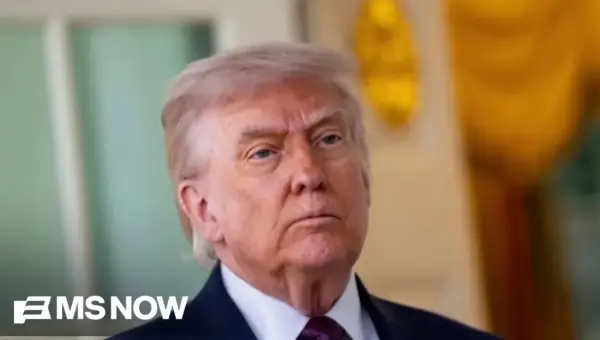
Trump Claims Iran Blockade Success Amidst Talks Uncertainty
President Trump asserted that the U.S. blockade on Iran has been a "tremendous success" amid uncertainty surrounding potential peace talks. While claiming Iran has violated a ceasefire and that the U.S. has militarily "won the war," intelligence assessments and actions on the ground suggest a more complex reality.
Admiral McRaven: US Not Better Positioned on Iran
Admiral William H. McRaven expressed doubts about the U.S. strategic position on Iran, questioning if recent actions have improved the situation. He highlighted the ongoing threat posed by Iran and suggested diplomacy as the most viable path forward. McRaven also discussed his new book, emphasizing the enduring American spirit and the importance of individual action.