Admiral McRaven: US Not Better Positioned on Iran
Admiral William H. McRaven expressed doubts about the U.S. strategic position on Iran, questioning if recent actions have improved the situation. He highlighted the ongoing threat posed by Iran and suggested diplomacy as the most viable path forward. McRaven also discussed his new book, emphasizing the enduring American spirit and the importance of individual action.

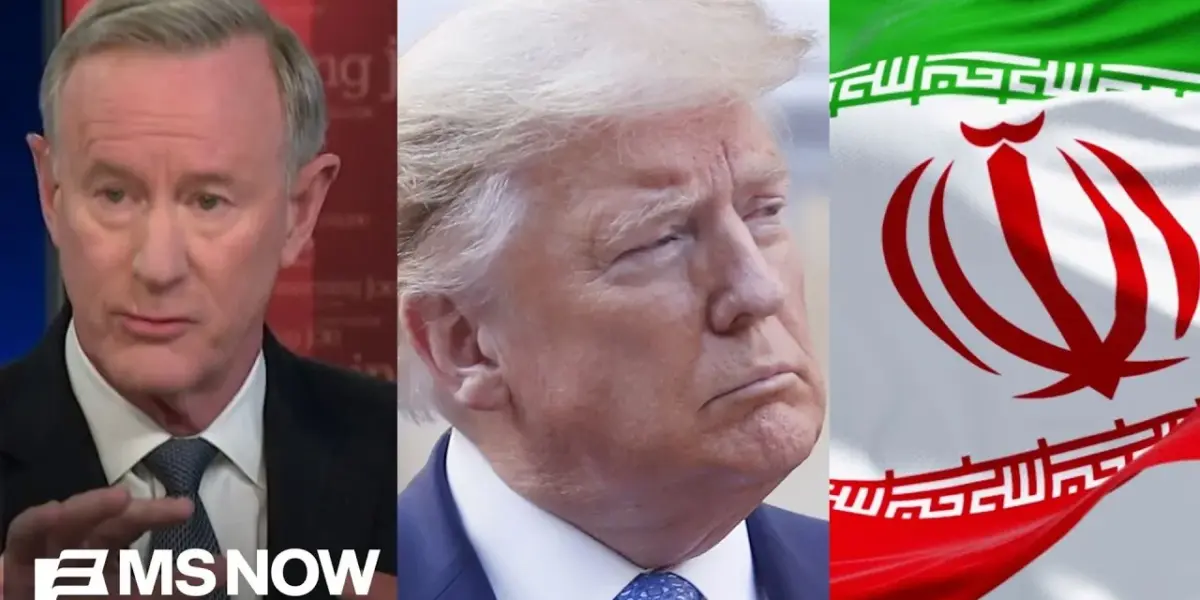
Admiral McRaven Questions US Strategic Gains on Iran
Retired four-star Admiral William H. McRaven, a former Navy SEAL and leader of the raid that killed Osama bin Laden, expressed significant doubts about the United States’ current strategic standing regarding Iran.
Speaking recently, McRaven questioned whether actions taken, particularly around February 28th, have actually improved the U.S. position. He noted that despite efforts to change Iran’s regime, the current leadership appears even more hard-line than before, and the country still possesses a substantial amount of highly enriched uranium.
McRaven, who teaches national security decision-making at the University of Texas, emphasized a key principle for leaders: any action taken should result in a better strategic outcome. He stated, “Are we in a better strategic position?
No.” While acknowledging that the U.S. military has degraded Iran’s air force and nuclear capabilities, he pointed to the continued threat of Iran mining the Strait of Hormuz as a major concern. This, he believes, was a foreseeable consequence that military advisors likely warned about.
Regime Change Unlikely, Strait of Hormuz a Key Concern
The admiral highlighted the historical difficulty in achieving regime change in Iran through targeted strikes. “Taking out one guy and expecting Jeffersonian democracy to flow from there” is not a realistic outcome, he explained. McRaven suggested that the military leadership likely advised the President that removing top officials would not lead to the desired regime change, given the deep roots of the current theocracy.
The potential for Iran to use the Strait of Hormuz as leverage remains a significant worry. McRaven noted that Iran possesses thousands of drones and short-range ballistic missiles, which could make any U.S. attempt to clear mines and reopen the strait a risky endeavor. He believes that military advisors would have warned of these challenges, understanding that the apparatus of the theocracy runs deep and would likely retaliate.
Ideal Outcome: Diplomacy and De-escalation
Given the current situation, McRaven proposed that the best possible outcome involves diplomacy and a carefully brokered agreement. He suggested that the U.S. could work towards lifting sanctions while promising not to attack Iran.
In return, Iran would need to open the Strait of Hormuz and commit to reducing its capability to enrich uranium to the point where a nuclear weapon could be produced. This, he feels, is the most achievable goal in negotiations.
He also touched upon the decision-making process within the administration. McRaven suggested that a tighter circle of advisors might be limiting the depth of understanding on complex issues like Iran. He contrasted this with a more traditional interagency process involving State Department, Defense Department, and regional experts, which he believes offers a broader perspective on risks and potential outcomes.
New Book Focuses on American Spirit and Democracy
Shifting focus, Admiral McRaven discussed his new book, “Duty, Honor, Country and Life, a Tribute to the American Spirit.” He explained that the book aims to remind people of the core values and the inherent strength of the American spirit, even during challenging times. The book explores where American democracy stands today and what is needed to ensure its continued progress.
McRaven highlighted a speech he gave to MIT graduates during the pandemic, where he stressed that individuals, not superheroes, are the ones who must save the world. He believes that young people, with their intellect and drive, are capable of tackling global challenges like pandemics, climate change, and poverty. This message, he feels, is crucial for inspiring action and responsibility.
The Power of Small Actions and Enduring Values
The admiral also revisited his widely shared advice about making your bed every morning. He explained that this simple act provides a sense of accomplishment, encourages further productivity, and reinforces the importance of attending to small details. For McRaven, the made bed is a symbol of hope and a reminder that even after a difficult day, tomorrow holds the promise of improvement.
Ultimately, McRaven expressed optimism about America’s future, largely due to the enduring spirit he sees in its citizens, particularly the youth. He believes that core American values like equality, justice, and compassion are deeply ingrained. Despite current political divisions, he feels these foundational principles, established by the Founding Fathers, will persist and can be revitalized.
Source: Adm. McRaven on Iran: Are we in a better strategic position now than we were prior to February 28? (YouTube)

Related Articles
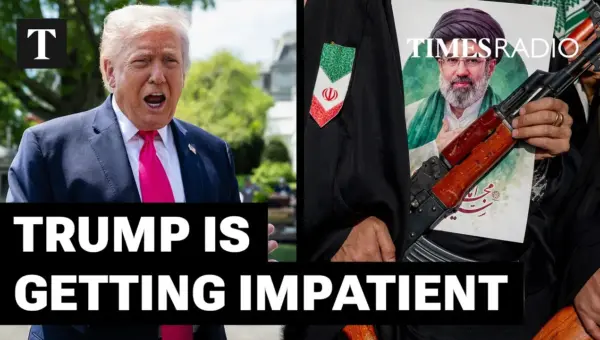
US Tightens Iran Blockade Amid Stalled Ceasefire Talks
As a critical ceasefire deadline looms, uncertainty clouds US-Iran talks, with a strict blockade of Iranian ports intensifying pressure. Experts debate the blockade's effectiveness and the deep mistrust hindering negotiations, while the Iranian people face ongoing repression and economic hardship.
Trump Uses Wartime Powers to Boost Energy
President Trump is using the Defense Production Act, a wartime law, to boost U.S. energy production and infrastructure. The move aims to ensure reliable, affordable, and secure energy, citing national security concerns amidst rising global energy prices.

US Navy Strikes Iranian Ships, Escalating Global Tensions
The US military has intercepted and boarded a second Iranian-linked ship, the MT Tiffany, in the Indo-Pacific, as part of ongoing efforts to disrupt illicit networks. This action occurs amidst rising diplomatic tensions, with former President Trump warning Iran of severe consequences if negotiations fail. Despite Iran's claims of evading a blockade, US forces continue their assertive maritime enforcement and surveillance operations.