Hungary Ousts Orban: A Win for Democracy, Blow to Trump
Hungary's Prime Minister Viktor Orban has been ousted after 16 years in power, a stunning election result that signals a victory for democracy and a blow to autocratic leaders like Donald Trump. Despite Orban's efforts to control media and manipulate the election system, grassroots movements and independent journalism played a key role in exposing corruption and mobilizing voters. The outcome offers a hopeful precedent for democratic forces facing similar challenges globally.

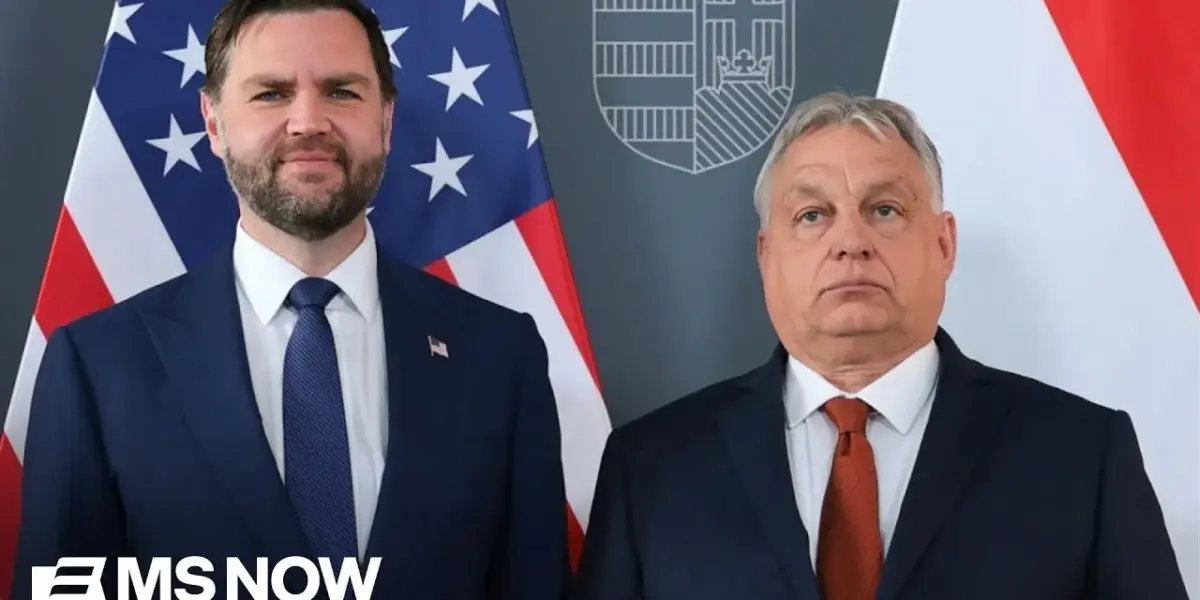
Hungary Ousts Orban in Stunning Election Upset
In a dramatic turn of events, voters in Hungary have ended Prime Minister Viktor Orban’s 16-year rule. This weekend’s election results delivered a significant victory for democracy and dealt a major blow to autocratic tendencies seen both globally and in the United States. The outcome defied expectations, offering a glimmer of hope to those fighting against the rise of illiberalism.
Autocratic Tactics Fail to Secure Victory
Prime Minister Orban’s government had employed tactics familiar to those concerned about democratic backsliding. These included manipulating the election system and taking control of media outlets. Despite these efforts, and even with support from figures like Vladimir Putin and Donald Trump, Orban’s party failed to secure another term. Trump had even sent Vice President J.D. Vance to campaign for Orban, a move that some observers believe may have backfired.
Vance’s Visit: A Strategic Misstep?
The presence of J.D. Vance in Hungary became a focal point of discussion. Western diplomats in Budapest speculated that Vance’s visit might have hurt Orban’s campaign. The Trump administration’s foreign policy is unpopular in Europe. Furthermore, having a foreign leader campaign for Orban could have undermined his message of Hungarian sovereignty and nationalism. While concrete polling data is unavailable, the visit did not help Orban win, which was the goal of Trump and Vance.
The scene of an American vice president campaigning overtly for a foreign politician, especially one aligned with the Kremlin, was seen as highly unusual and even surreal by many analysts. This public association with Orban, who was backed by Putin, seemed to backfire, making the autocrat’s defeat even more notable.
Grassroots Efforts Fuel Democratic Victory
Experts highlight that the victory was not solely due to external factors but was a result of tireless efforts by Hungarian citizens. Journalists who left state-controlled media formed independent outlets, bravely reporting on corruption. Activists protested weekly at significant personal risk, demanding freedom and an end to undemocratic practices. Young people and advocates for transparent governance also played a crucial role, monitoring corruption and demanding accountability.
These grassroots networks, often operating with limited resources and international attention, laid the foundation for this win. The opposition coalition, led by Peter Magyar, focused on key issues like healthcare, the economy, and education. However, the true driving force behind the victory was the persistent refusal of ordinary Hungarian citizens to give up on their fight for democracy.
Media’s Role in Exposing Corruption
Orban’s government had systematically consolidated or shut down independent national news outlets, turning them into state mouthpieces. In response, many journalists resigned and established new, independent media organizations. Outlets like Telex and Direct 36 became vital sources of investigative journalism, funded by reader donations. These organizations exposed the extensive corruption within Hungary’s government.
Groups such as K-Monitor meticulously documented corruption at all levels of government for years. They also showcased effective local governance, allowing the public to contrast it with the corrupt system Orban’s allies controlled. This work, combined with the engagement of ordinary citizens who remained alert to the erosion of democratic norms, proved instrumental in challenging Orban’s authority.
Lessons for American Democracy
The Hungarian election offers significant lessons for democratic movements, including in the United States. The fact that state propaganda ultimately failed to secure Orban’s re-election is encouraging. It suggests that even with massive state media backing, factual reporting and citizen engagement can prevail.
Claire McCaskill, a political analyst and former senator, noted that Orban lost because he was deeply unpopular. She believes Democrats should focus on the unpopularity of Donald Trump and avoid distractions. The key, she argues, is for Democrats to laser-focus on disrupting the status quo by reassuring Americans they are looking out for their needs. This means addressing economic anxieties, such as families struggling to make ends meet or facing medical debt.
Looking Ahead: The Fight for Democracy Continues
The ousting of Viktor Orban is a powerful reminder that democratic change is possible, even in seemingly entrenched autocratic systems. It signifies that the assumption of inevitability for illiberal parties is being challenged. For figures like Trump and Vance, this outcome brings uncertainty, suggesting that electoral outcomes can indeed make a difference. As the world watches, the Hungarian election serves as a beacon of hope, demonstrating that vigilance and collective action can push back against authoritarianism and reaffirm the power of the people.
Source: 'STUNNING result': Orbán's LANDSLIDE defeat a huge win for democracy, major blow to Trump and Vance (YouTube)

Related Articles

Trump-Vance Brand Suffers Overseas After Iran War, Analyst Says
Senator J.D. Vance's recent trip to Hungary to support Prime Minister Viktor Orban has drawn sharp criticism, with analysts arguing the "Trump-Vance brand" has become toxic overseas. Despite Vance's defense of the visit as supporting an ally, critics point to Orban's authoritarian record, suggesting such endorsements may now backfire, rallying opposition against the supported candidates.


Global Alliances Shift: World Leaders Bypass Trump
World leaders are forging new international alliances, notably excluding Donald Trump from key emerging security blocs. This shift sees China positioning itself as a superpower, while Ukraine offers advanced military technology and Europe takes a more active role in regional stability. These developments signal a potential restructuring of global power dynamics.


Judge Tosses Trump’s $10B Lawsuit Against WSJ
A federal judge has dismissed former President Donald Trump's $10 billion lawsuit against The Wall Street Journal. The judge ruled that Trump's team failed to prove 'actual malice' by the newspaper. Trump's legal team stated they will continue to fight against what they call 'fake news'.