White House Ballroom Construction Gets Temporary Go-Ahead
Construction on the White House Ballroom can proceed for now after a federal appeals court reversed a lower court's halt. The court seeks more information on whether the pause impacts security plans, while preservationists argue against the project's authority and historical impact.

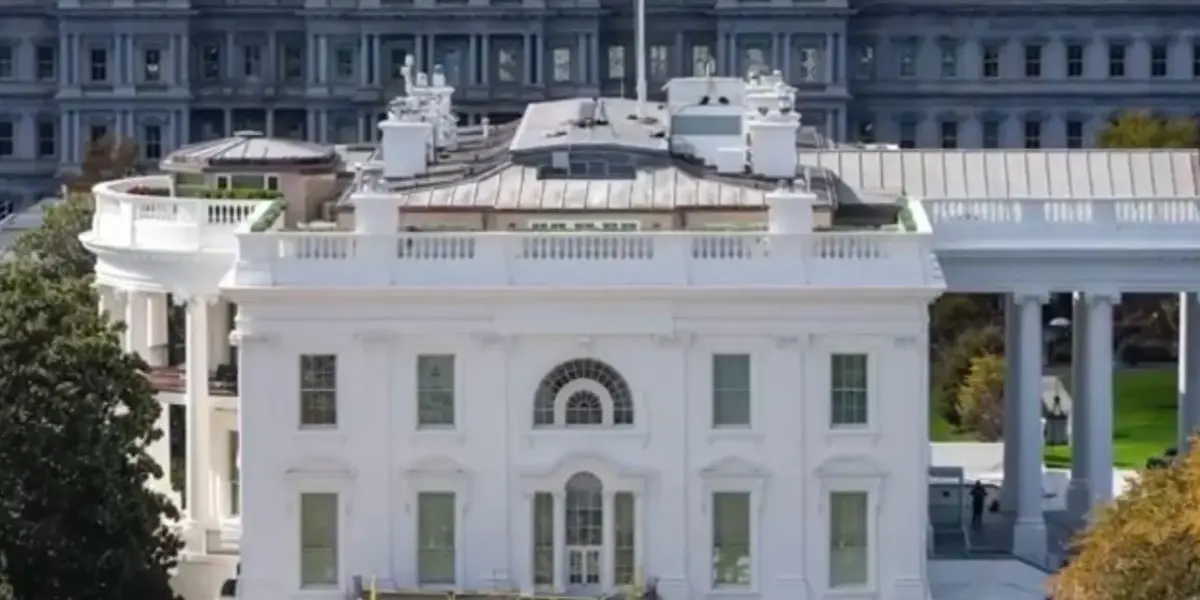
White House Ballroom Project Sees Temporary Respite
Construction on the new White House Ballroom can continue for now. A federal appeals court recently reversed a lower court’s decision to halt the project. This means work can proceed for at least a few more days, as the appeals court needs more information from the original judge.
The Legal Battle Over the Ballroom
The dispute began when a district court judge in Washington D.C. ordered a pause on the construction. The judge’s reasoning was that the project needed approval from Congress. However, the appeals court panel disagreed with this immediate pause. They sent the case back to the lower court, asking for clarification.
Specifically, the appeals court wants to know if the judge’s order interferes with the administration’s plans for safety and security. This legal back-and-forth highlights a tension between historical preservation and modern security needs.
Who is Suing and Why?
The National Trust for Historic Preservation filed a lawsuit in December. This happened just a week after the East Wing of the White House was torn down. The Trust named both the current administration and the National Park Service as defendants in their case. Their main argument is that these government bodies do not have the proper authority over federal property for such a project.
In a statement, the CEO of the Trust explained their goal. They aim to honor the historic significance of the White House. However, the administration argues that delaying construction could put critical security features at risk. These features are planned to be built beneath the new Ballroom.
Differing Views on Historical Impact
The debate also touches on the historical importance of the East Wing. Former First Lady Michelle Obama has spoken out about this. She stated last year that tearing down the East Wing diminishes its historical value. This is especially true for First Ladies, as their office was located there.
The President offered his perspective on the situation. He described the old East Wing as a “poor sad sight.” He suggested that while he could have built the Ballroom around it, it wouldn’t have resulted in “one of the greatest ballrooms in the world.” The planned State Ballroom is expected to add approximately 90,000 square feet of new space.
What Happens Next?
For now, construction is allowed to move forward. This temporary approval lasts until at least April 17th. This gives the Justice Department time to decide on their next steps. They can either appeal to the Supreme Court or wait for more clarity from the lower court judge. This ruling offers a brief window of opportunity for the project to continue while legal questions are addressed.
Why This Matters
This situation brings up important questions about how we balance preserving historical sites with the need for modern security and functional upgrades. The White House is not just a building; it’s a symbol of American history and governance. Decisions about its structure involve many layers of consideration, from architectural integrity to national security.
Historical Context
The White House has seen many renovations and additions throughout its history. Each administration faces decisions about its use and appearance. Sometimes these decisions spark public debate. The current project involves a significant expansion, which naturally raises concerns about its impact on the original structure and its historical context.
Implications and Future Outlook
The appeals court’s decision to ask for more information shows a careful approach to the legal and practical issues. It suggests that the court wants to fully understand the potential impact on security before making a final ruling. This could lead to a more thorough review process.
The outcome of this case could set a precedent for future projects at historical landmarks. It raises questions about the level of congressional approval needed for renovations at the White House. It also highlights the ongoing discussion about how to best protect and adapt significant historical buildings for the future. The administration’s focus on security and the Trust’s focus on preservation are both valid concerns. Finding a way to satisfy both is the challenge.
Source: Appeals Court Allows White House Ballroom to Continue (YouTube)

Related Articles


White House Mood Mirrors Chaos: Insiders Share “This is Fine” Memes
White House insiders are reportedly feeling overwhelmed, with some sharing memes like the "This is fine" dog engulfed in flames to describe the administration's mood. Politico's Dasha Burns reported these sentiments, which contrast with official public messaging. The administration dismissed the memes, insisting on its focus on policy, but recent challenges like rising prices and international setbacks are overshadowing its agenda.


Trump’s White House Presser Spirals into Chaos
Donald Trump's recent White House presser devolved into a chaotic display, featuring claims of AI-generated Jesus imagery, a refusal to apologize to Pope Francis, and the controversial use of a DoorDash worker as a prop. The event touched on international policy, market manipulation, and drew sharp criticism.


Trump Defends Policies, Criticizes Rivals in White House Remarks
President Trump addressed international tensions with Iran and highlighted trade opportunities during remarks from the White House. He also spoke about his vindication regarding impeachment proceedings and reiterated claims of a "rigged" 2020 election. The President announced an upcoming UFC event at the White House and praised his administration's tax refund policies.