Ukraine Strikes Russian Oil Assets, Escalating Economic War
Ukraine intensifies strikes on Russian oil infrastructure, potentially leading to an "oil apocalypse" for Moscow. Meanwhile, ongoing hybrid threats and a hardening of Russia's stance complicate peace talks. Experts analyze the strategic implications of these developments and NATO's preparedness.

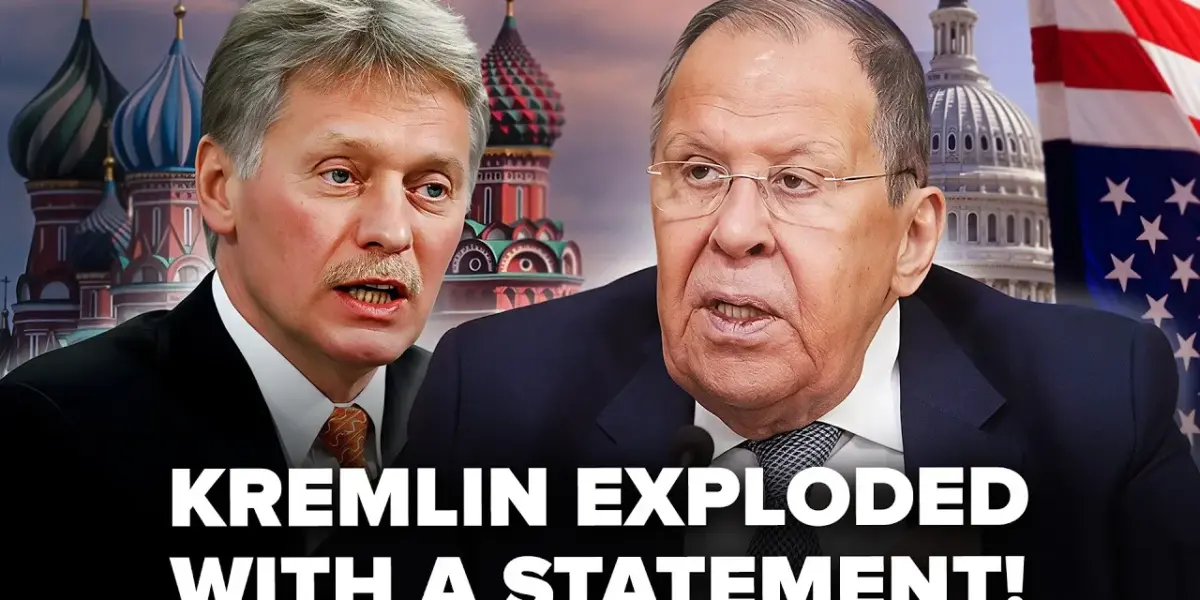
Ukraine Intensifies Strikes on Russian Oil Infrastructure
Ukraine has significantly ramped up its attacks on Russia’s oil and gas export facilities in recent months. These deep strikes, targeting key infrastructure like Baltic ports and Novorossiysk, are designed to hobble Russia’s ability to profit from oil sales. The effectiveness of these attacks is forcing Russia to contend with damaged energy infrastructure, impacting its capacity to supply the international market.
Deteriorating Peace Talks Amidst Hybrid Threats
Recent statements from the Kremlin, including a supposed ultimatum to Ukraine regarding the Donbas region, signal a hardening of Russia’s position. However, experts suggest these demands may be more rhetorical than realistic, drawing parallels to past diplomatic posturing. Meanwhile, NATO is increasing its vigilance against ongoing hybrid threats, such as suspected Russian submarine activity near undersea communication cables off the UK coast. These actions highlight a broader pattern of Russian attempts to disrupt critical infrastructure.
Expert Analysis on Ukraine’s Strategy and Diplomacy
Rose Gutmiller, a former US diplomat and NATO official, discussed the complex dynamics surrounding the conflict. She noted that while prisoner exchanges and efforts to return children continue, broader peace talks face significant hurdles. Gutmiller pointed out that Ukraine’s successful efforts in providing missile defense technology to Gulf States has bolstered its diplomatic standing. This engagement with Middle Eastern nations could provide new momentum for Ukraine in future negotiations.
The Role of Gulf States in Regional Diplomacy
Gutmiller described the Gulf states as opportunistic partners, driven by transactional relationships and the need for weapon systems. However, she also acknowledged their developing role as mediators in discussions involving Ukraine, Russia, and the United States. The Gulf states have hosted talks and facilitated efforts to return Ukrainian children, suggesting a deeper level of cooperation beyond mere defense purchases.
Assessing the Need for a Respite
Both Ukraine and Russia are at a point where progress in negotiations would be beneficial. Ukraine, however, appears to have a current strategic advantage due to its successful drone and missile defense systems. Russia, despite some sanctions relief on oil shipments, continues to face economic pressure and a lack of significant military success. The deep strikes on its energy infrastructure further complicate its economic situation.
Russia’s Ultimatum on Donbas Deemed Unrealistic
Dmitri Peskov’s warning that Russia aims to occupy all of Donbas within two months, demanding Ukrainian troop withdrawal, is viewed by analysts as highly improbable. Russia has struggled to gain significant territory in the Donbas over the past year, and Ukraine has even reclaimed some areas. This demand is seen by some as a tactic similar to those employed by figures like Donald Trump, using extreme language without a realistic basis for military achievement.
US Pressure and Ukraine’s Stance on Donbas
Sergei Lavrov’s call for the United States to pressure Kyiv into negotiations raises questions about the nature of that pressure. While there was a period where U.S. negotiators seemed to accept Russia’s claim over all of Donbas, Ukraine’s continued strong defense and counter-offensives suggest a clear message from Washington: Ukraine will not cede the Donbas.
Ukraine’s “Oil Apocalypse” Strategy
The New York Times reported on Ukraine’s strategy to create an “oil apocalypse” for Russia by targeting its oil and gas export infrastructure. This campaign has significantly hampered Russia’s ability to ship oil internationally. Analysts believe this strategy, if maintained or intensified, could lead to a resumption of sanctions against Russia or further damage to its export capabilities. The extent of an “oil apocalypse” could involve targeting not just transit infrastructure but also production and refining capabilities.
Russia’s Response to Strikes and NATO’s Preparedness
Dmitri Peskov has warned of Russian retaliation if Ukraine uses foreign airspace for strikes. However, Russia has historically been cautious about encroaching on NATO territory. NATO airspace defenses are robust, and any Russian attempt to penetrate them would be met with a strong response. Given Russia’s current preoccupation with the war in Ukraine and its inability to handle another major conflict, a direct confrontation with NATO is considered unlikely.
Hybrid Threats and Broader Escalation Risks
Experts warn of potential Russian hybrid provocations in the Baltic states. These threats, including alleged submarine activity disrupting undersea cables, have been ongoing. NATO has significantly enhanced its readiness to defend against such attacks. The alliance is actively monitoring and preparing for new forms of hybrid warfare that may emerge.
“Russia has been very cautious about in any way impinging on NATO territory… NATO will be prepared. NATO will be ready for any attempt by by Russia to penetrate its airspace.”
Rose Gutmiller, former US diplomat and NATO official
Geopolitical Implications and the Straits of Hormuz
The conflict with Iran and its impact on the Straits of Hormuz remain a critical geopolitical issue. The United States is pushing for a stable ceasefire and reopening the vital shipping lane. Iran’s control over the straits gives it leverage in negotiations and potential economic advantage. The potential involvement of NATO allies in providing naval forces to ensure free passage is being considered. The free flow of shipping through the Persian Gulf is crucial for the global economy.
Domestic Impact in the US
The conflict and rhetoric surrounding it have created a rift within the MAGA movement in the United States. Concerns about international humanitarian law and the potential for US forces to commit war crimes have sparked public debate. Threats of annihilation have led to soul-searching about America’s role in the world and its commitment to international legal standards.
Source: 💥Peskov issued a harsh warning to NATO! Kremlin is on edge over ultimatum. Urgent statement on war (YouTube)

Related Articles


Iran-Made Drones Fuel Ukraine War, Stirring Kyiv Resident
A Kyiv resident with Iranian roots describes the emotional toll of seeing Iranian-made drones used by Russia in Ukraine. He shares his deep connection to Ukraine and the difficult personal conflict the war has created.


UK Faces Fuel Crisis: Shortages Loom by Late April
Britain faces a looming fuel crisis, with former BP executive Professor Nick Butler warning of significant shortages and price hikes by late April. Weeks of disruption in the Strait of Hormuz have depleted existing fuel supplies, prompting calls for the government to release an emergency plan and reconsider domestic energy production.
Hungary’s New Leader May Unlock EU Funds for Ukraine
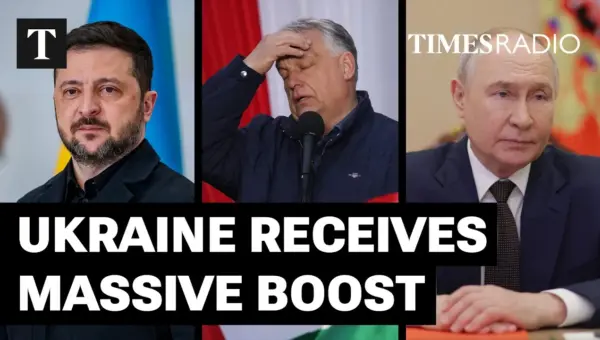
A recent election in Hungary has removed Viktor Orbán, who blocked a crucial 90 billion euro loan for Ukraine. The incoming leadership is expected to release these funds, which are vital for Ukraine's economy and state operations. This shift is seen as a significant positive development for Ukraine amidst its ongoing conflict.