US Blockade Raises Oil Prices, Squeezes Global Supply
A new US naval blockade in the Strait of Hormuz is tightening global oil supplies, pushing prices above $100 a barrel. Experts warn that Asia, particularly China, faces the most severe economic pain as these disruptions impact already scarce resources. While US producers stand to profit, consumers worldwide are bracing for higher costs.

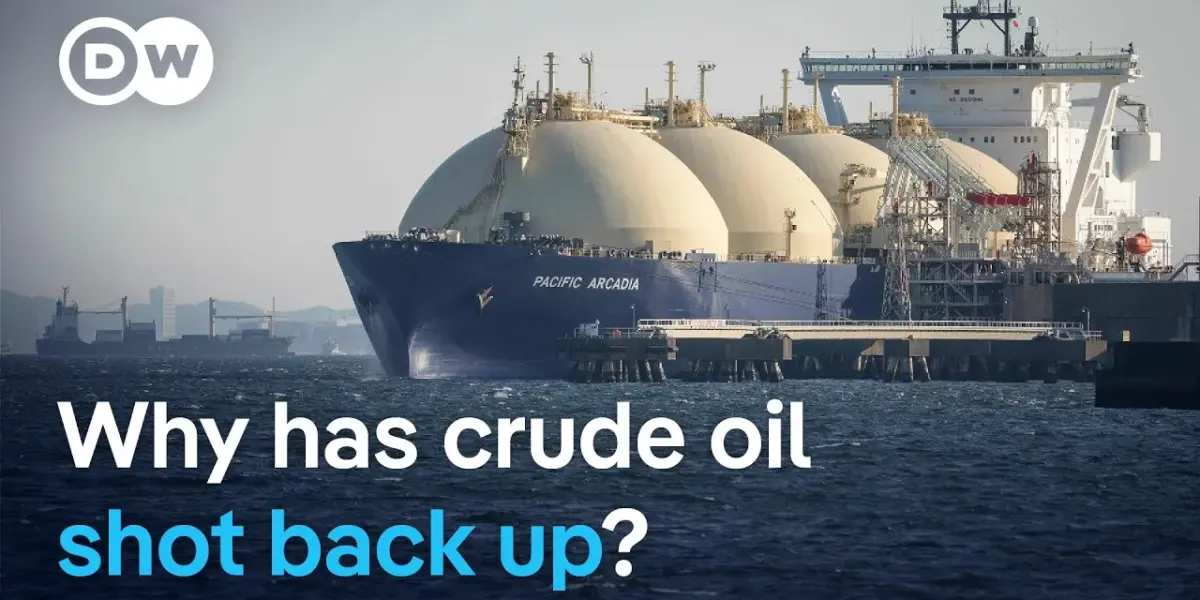
US Tightens Blockade in Strait of Hormuz, Fueling Oil Price Surge
The global oil market is facing significant disruption following a new naval blockade imposed by the United States in the Strait of Hormuz and surrounding waters. The move, announced after peace talks between the US and Iran ended without agreement, aims to prevent ships from entering and leaving Iranian ports. This action intensifies an already strained supply situation, with experts warning of further price hikes and economic pain for importing nations.
Global Oil Market Under Pressure
Before the current conflict, approximately 20% of the world’s oil supplies passed through the vital Strait of Hormuz. While Iran had effectively closed the strait to international shipping at times, it had still managed to export millions of barrels of its own oil. The new US blockade, reportedly enforced in the Gulf of Oman and the Arabian Sea, threatens to cut off these remaining Iranian exports, adding to an existing scarcity.
“The oil market is screaming out for additional supply and as long as Hormuz remains closed that supply is not coming right now,” said Rory Johnston, an oil market researcher and founder of commodity context.com. “With Hormuz closed and now with the United States blockading it further and preventing Iranian flows… that would raise that 13 million to more like 15 million barrels a day.”
This escalation could push an additional 2 million barrels per day off the market, impacting an already tight global supply. Brent crude prices have already surged back above $100 a barrel, with physical delivery prices potentially reaching over $150.
Asia Faces Greatest Economic Pain
Nations in Asia, particularly China, are expected to feel the most significant economic impact from the blockade. Historically, the vast majority of Iran’s oil exports have gone to China. While recent US Treasury actions had eased some sanctions, allowing countries like India to purchase Iranian crude again, the new blockade aims to stop these flows.
“If the US succeeds in blocking Iranian oil exports, who do you think is likely to feel the most economic pain here? Is it going to be Asia? I mean, China specifically,” Johnston noted. He added that while China has built up substantial strategic petroleum reserves, potentially over a billion barrels, the timing of their use remains uncertain.
China’s Strategic Reserves and Energy Transition
China’s extensive strategic petroleum reserves offer a buffer against supply disruptions. However, the decision on when to tap into these reserves is complex. Some analysts suggest Beijing may be holding back to maintain pressure on the global oil market, hoping to influence US policy.
Johnston also pointed out that China’s rapid electrification of its transport sector and investment in renewable energy are largely driven by geostrategic concerns. This includes reducing its significant dependence on imported oil and gas supplies, especially from regions like the Middle East that are prone to instability.
US Producers Benefit, Consumers Pay the Price
The United States, now the world’s largest producer of oil and gas, stands to benefit from higher global prices. President Trump has stated that when oil prices rise, the US makes a lot of money. This surge in prices is expected to boost revenues for American oil producers, particularly those in Texas, New Mexico, and Louisiana.
However, the increased cost of oil will be felt by American consumers, especially those on the coasts who are more exposed to global market pressures. While the interior of North America may see more stable pricing due to less direct exposure to international competition, citizens in major coastal cities like New York and Los Angeles will face higher fuel costs, similar to consumers worldwide.
Looking Ahead: What to Watch Next
The coming weeks will be crucial in determining the full impact of the US blockade on global oil supplies and prices. Attention will be on whether the US can effectively enforce the blockade and how long Iran can sustain its current export levels. The response from major importing nations, particularly China and India, and their decisions regarding their strategic reserves will also be closely monitored. Furthermore, any shifts in US foreign policy or diplomatic efforts to de-escalate tensions in the region could significantly alter the market’s trajectory.
Source: Scarcity in the oil market: Which countries are feeling the squeeze? | DW News (YouTube)

Related Articles


US Naval Blockade Forces Iran to Negotiate
The U.S. is using a naval blockade to force Iran to negotiate, targeting oil tankers to disrupt Tehran's revenue. This strategy aims to secure freedom of navigation through the Strait of Hormuz and prevent Iran from developing nuclear weapons. Investors should watch regional stability and oil prices.

Trump Ultimatum: No Deal Without Nuclear Ban
President Trump has issued an ultimatum in Iran negotiations, stating no deal will be reached if Iran pursues nuclear weapons. Meanwhile, domestic policy debates continue over DHS funding, with a reconciliation process being considered for various legislative items. Positive economic news includes a significant rise in average tax refunds, boosting consumer spending.


Iran’s Bold Move Exposes US Weakness in Persian Gulf
A Chinese tanker's easy passage through a U.S. blockade and a U.S. aircraft carrier's lengthy detour raise questions about American influence in the Persian Gulf. As global alliances shift, the effectiveness of U.S. foreign policy is under scrutiny.