Russia Pushes Peace Talk Narrative Amid Fierce Fighting
Russia is promoting a peace narrative and claiming territorial gains are minimal, even as fighting intensifies. Meanwhile, Ukraine's defense industry is rapidly expanding with innovative technologies, attracting international interest. A recent election in Hungary has shifted political alignments away from pro-Russian stances, potentially easing EU decision-making. Despite economic strains and continued conflict, Ukrainian communities display resilience and hope.

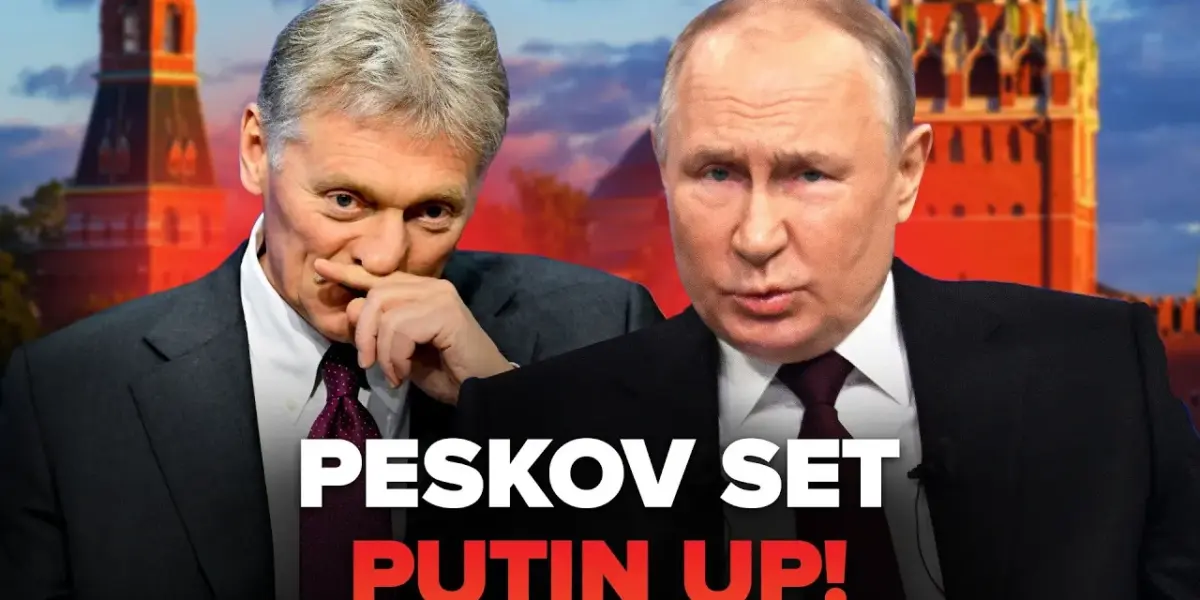
Russia Pushes Peace Talk Narrative Amid Fierce Fighting
Moscow has recently intensified its public messaging on peace negotiations, even as fighting continues along the front lines. Kremlin spokesperson Dmitry Peskov stated that territorial differences between Russia and Ukraine have narrowed to just a few kilometers. This narrative echoes recent comments by U.S. Senator JD Vance, suggesting the conflict is shrinking to small areas. Russia appears to be leaning into this framing, with Peskov claiming that Russian forces only need to secure the remaining parts of the Donetsk region. He reiterated Russia’s readiness for peace talks immediately, provided Ukraine withdraws its troops. This offer, however, comes with the clear indication that military operations will continue.
Peskov added that the “special military operation” will persist after an Easter ceasefire until “necessary decisions” are made. This dual approach of offering peace talks while continuing offensive actions highlights Russia’s strategic communication efforts. Simultaneously, Russia has reportedly increased security around its oil infrastructure, a response to repeated Ukrainian strikes targeting these vital assets. The continuation of fighting, even during periods like the Easter ceasefire, underscores the ongoing intensity of the conflict.
Ukraine’s Defense Industry Surges
In contrast to Russia’s messaging, Ukraine’s defense industry has experienced significant growth. According to reports, the industry has expanded more than 50 times since the full-scale invasion began. This expansion is attributed not just to increased numbers but to Ukraine’s rapid adaptation and innovation. Weapons are being developed and improved in direct coordination with front-line needs, with successful combat systems quickly scaled up. Key areas of advancement include drones, interceptor drones, deep strike systems, FPV (first-person view) drones, electronic warfare capabilities, and naval drones.
This approach allows Ukraine to counter a larger adversary without needing to match every piece of equipment. It represents an efficient use of resources, achieving tangible results without wasted time or money. Ukraine’s defense sector is now seen as a potential partner for international collaboration. European countries, the United States, and Middle Eastern nations have expressed interest in working with Ukraine to strengthen security. Ukraine’s defense industry is characterized by its scale, speed, and effectiveness in responding to attacks and advancing toward a “just peace.” These advanced technologies are becoming a crucial element in global security discussions.
Hungary’s Political Shift and EU Dynamics
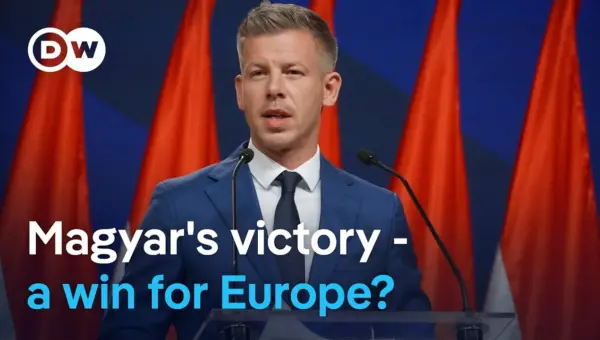
The recent election in Hungary, resulting in the victory of Peter Magyar and his Tisa party over Viktor Orban’s long-standing Fidesz party, carries significant implications. While Magyar is not explicitly pro-Ukrainian, his stance marks a departure from Orban’s policies. Magyar has expressed caution regarding Ukraine’s EU membership and has not supported sending Hungarian weapons or financial aid to Kyiv. However, he has openly criticized Orban’s ties with Russia and has raised concerns about cooperation with Russian entities. Unlike Orban, who often blocked EU decisions related to Ukraine and undermined Western unity, Magyar is not aligning with the Kremlin.
Magyar’s rise is seen as a move away from openly pro-Russian politics in Hungary. His campaign focused on domestic issues like inflation, wages, and corruption, resonating with voters who felt neglected by Orban’s focus on external threats. This electoral outcome is viewed across Europe as a positive sign for democratic resilience against Russian propaganda and external influence. German politician Friedrich Merz described the result as a message to Europe, indicating that democratic societies can resist such pressures. This shift could potentially simplify decision-making within the European Union, particularly concerning support for Ukraine.
Russia’s Shifting Narratives and Economic Strain
Amidst these developments, Russia continues to present a narrative of readiness for peace while its military operations continue. Foreign Minister Sergey Lavrov has spoken of the need for security guarantees for Russia, a position met with skepticism given Russia’s role in initiating the conflict. Online reactions have been largely ironic, with some suggesting that true security would involve isolating Moscow. The Kremlin’s focus has also shifted towards space achievements, such as the 65th anniversary of Yuri Gagarin’s first flight. This emphasis on space exploration appears to be a way to project strength and divert attention from the ongoing war and its economic consequences.
The Russian economy is reportedly strained by the war effort. Despite official reports of revenue growth and successful launches in the space industry, the broader economic situation is worsening. Investigations have revealed that companies linked to the Kremlin elite, such as a microfinance firm associated with Vladimir Putin’s ex-wife, have profited significantly from microloans. These companies charge extremely high interest rates, leading many borrowers to default. This has resulted in numerous lawsuits and the potential seizure of property, indicating a growing economic hardship for ordinary Russians.
Easter Ceasefire and Community Resilience
Even during the Easter period, the conflict did not cease. Ukraine reported thousands of ceasefire violations, including shelling and drone attacks. Despite the ongoing fighting, Ukrainian citizens observed Easter traditions, attending church services and gathering with families. In Kyiv, residents of Bakhmut, a city heavily damaged and partially occupied, organized a symbolic Easter tree decorated with traditional eggs. This initiative aimed to foster a sense of unity and community among displaced residents, representing resilience and hope amidst destruction. The event highlighted the enduring spirit of the Ukrainian people and their determination to maintain cultural traditions even in wartime.
Source: 😱Fierce rift has erupted in Kremlin! Peskov unexpectedly revealed. Putin lost an ally in EU (YouTube)

Related Articles
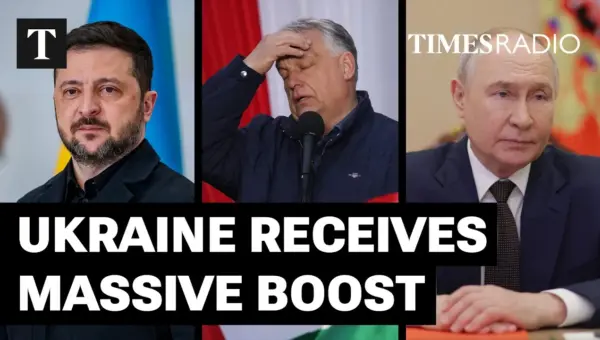
Hungary’s New Leader May Unlock EU Funds for Ukraine
A recent election in Hungary has removed Viktor Orbán, who blocked a crucial 90 billion euro loan for Ukraine. The incoming leadership is expected to release these funds, which are vital for Ukraine's economy and state operations. This shift is seen as a significant positive development for Ukraine amidst its ongoing conflict.
Hungary Rejects Orban, Embraces Pro-EU Path
Hungary has elected Peter Magyar as its new leader, signaling a significant shift away from Viktor Orban's nationalist policies and a renewed commitment to the European Union. Magyar's government prioritizes securing frozen EU funds and improving relations with the bloc, though challenges remain in addressing migration and past ties to Russia.

Iran Blockade Shifts Global Oil Flow to U.S.
A blockade in the Strait of Hormuz has triggered a major shift in global oil supply routes, with supertankers now heading to the U.S. Gulf Coast. Despite geopolitical tensions, markets remain resilient, and corporate profits are projected to rise.