Trump Sparks Outrage With Pope Clash and Blasphemous Jesus Image
Former President Donald Trump has sparked widespread outrage by clashing with Pope Francis and sharing a deeply offensive AI-generated image deemed blasphemous by many. These actions have drawn criticism from allies and appear to be impacting his support among Catholic and working-class voters.

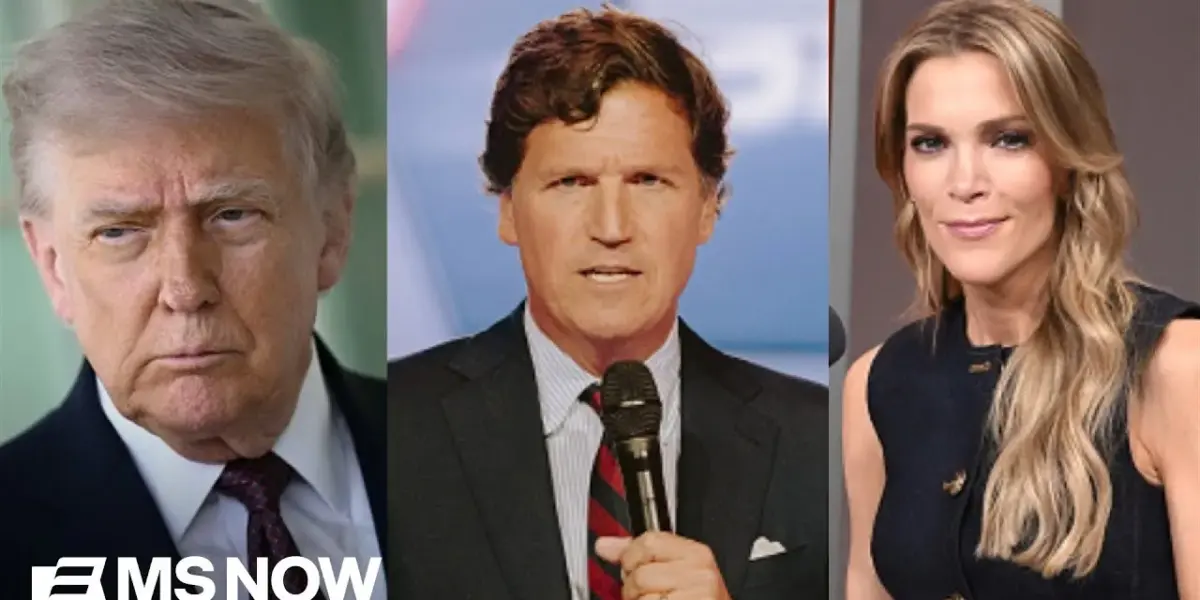
Trump’s Controversial Actions Ignite Religious Firestorm
In a tumultuous period marked by international conflict and domestic political division, former President Donald Trump has ignited a significant religious controversy. His recent public clashes with Pope Francis and the sharing of an AI-generated image that many deem blasphemous have drawn widespread condemnation, impacting his standing both at home and abroad. The events unfolded as the world grapples with ongoing conflicts in the Middle East, a region deeply sensitive to religious matters.
Clash with the Pope Over Peace and Iran
The controversy began when Pope Francis called for peace, a stance often associated with the Vatican. Trump, however, interpreted this as a criticism of his approach to the conflict involving Iran. In response, Trump publicly criticized Pope Francis online. This move was widely seen as unusual, as past presidents have typically shown deep respect for religious leaders, especially in regions with complex religious dynamics involving Islam, Christianity, and Judaism.
The Blasphemous AI Image
Adding fuel to the fire, Trump shared an AI-generated image on his social media platform, Truth Social. The image, which depicted Trump in a manner that many Christians found deeply offensive and blasphemous, drew sharp criticism from various individuals, including some within Trump’s own political circle. Prominent figures described the post as reprehensible and crossing a significant line. One longtime ally stated online, “God will not be mocked.” This incident was particularly jarring given the ongoing war involving Iran and other Middle Eastern nations, where religious sensitivities are extremely high.
Trump’s History of Controversial Religious Statements
This is not the first time Trump has faced scrutiny for his religious rhetoric. He previously posted an image that seemed to invoke Allah, which he later deleted. During his recent public appearances, he also made critical remarks about Pope Francis, stating, “I’m not a big fan of Pope Leo. He’s a man that doesn’t think that we should be toying with a country that wants a nuclear weapon so they can blow up the world.” These statements come at a time when the United States is navigating complex international relations, and a perceived disrespect for religious figures or symbols can have significant diplomatic and social repercussions.
Impact on Catholic and Working-Class Voters
The controversy appears to be having a tangible effect on Trump’s support base. Reports indicate a decline in support among American Catholics, who previously voted for him in significant numbers. Furthermore, a substantial drop has been observed among white voters without college degrees, a key demographic for the MAGA movement. This group, which has been a cornerstone of Trump’s political success, has seen a significant decline in support over the past year, with some analyses suggesting a fall of around 40 points.
Concerns Over Trump’s Mental State
Beyond the immediate religious controversy, Trump’s recent behavior has also revived discussions about his mental well-being. A report in The New York Times highlighted his “erratic behavior and extreme comments,” leading former allies to question if he has become increasingly unbalanced. Some observers have described his conduct as “lunatic” or “clearly insane.” Others suggest that what might have once been seen as eccentric or charming behavior eight years ago now appears more concerning. This discussion is amplified by the context of war, where perceived erratic decision-making can have dire consequences.
Broader Implications and Religious Sensitivity
The actions and statements by Donald Trump have significant implications, particularly in the current global climate. The United States has historically strived to maintain a respectful stance towards diverse world religions, especially in its foreign policy and diplomatic engagements. Mocking or trivializing religious figures or concepts, especially during times of international conflict involving multiple monotheistic faiths, can be seen as a net negative for the nation’s standing. Pope Francis himself has spoken out against the misuse of the Gospel, stating, “The Gospel is meant to be abused in the way that some people are doing, and I will continue to speak out loud with this. I have no fear of neither the Trump administration nor speaking out loudly about the message of the gospel.”
Margaret Carlson, Editor-at-Large at Semaphore, commented on the situation, noting, “No decent politician would take on the pope. It’s like just asking for trouble. There’s nothing in it for you.” She also highlighted the jarring nature of equating political achievements with religious resurrection, a tactic employed by some Trump supporters. This rhetoric, she argues, can be perceived as blasphemous by devout Catholics.
Looking Ahead
As the political and religious landscape continues to evolve, attention will be on how these controversies affect Trump’s public image and his political future. The upcoming election cycle will likely see these issues debated, with voters weighing Trump’s controversial statements and actions against his policy proposals. The response from religious communities, particularly Catholics and other Christian denominations, will be a key indicator of the long-term impact of these events. Furthermore, the ongoing discussions about his mental state, fueled by his public statements and the context of international crises, are likely to persist.
Source: Trump pressed on “blasphemy” and anti-Christ in bruising debacle (YouTube)

Related Articles
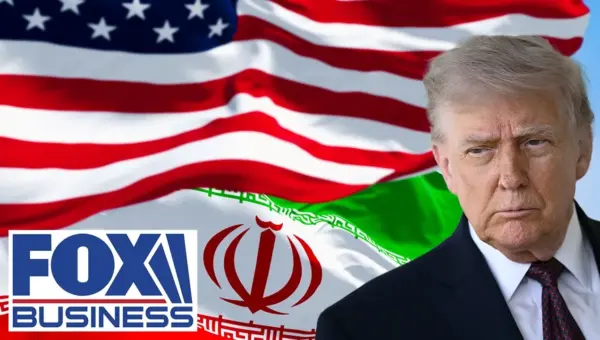
Trump Ultimatum: No Deal Without Nuclear Ban
President Trump has issued an ultimatum in Iran negotiations, stating no deal will be reached if Iran pursues nuclear weapons. Meanwhile, domestic policy debates continue over DHS funding, with a reconciliation process being considered for various legislative items. Positive economic news includes a significant rise in average tax refunds, boosting consumer spending.
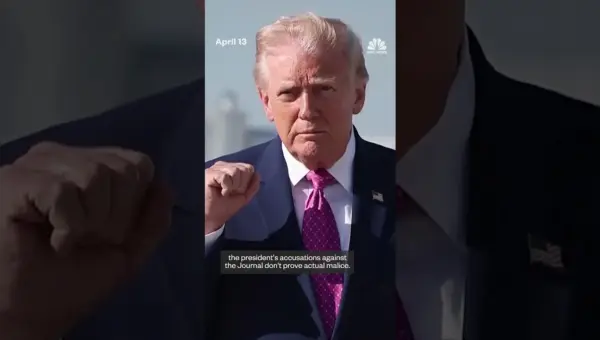
Judge Tosses Trump’s $10B Lawsuit Against WSJ
A federal judge has dismissed former President Donald Trump's $10 billion lawsuit against The Wall Street Journal. The judge ruled that Trump's team failed to prove 'actual malice' by the newspaper. Trump's legal team stated they will continue to fight against what they call 'fake news'.
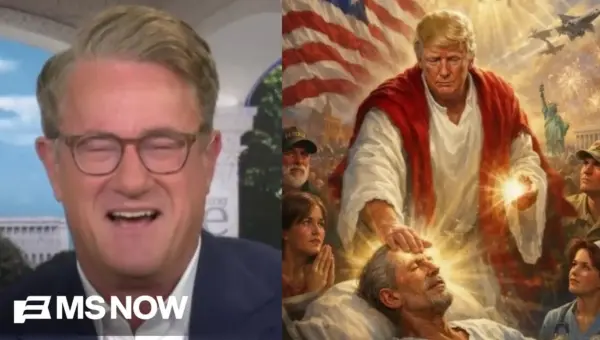
Trump’s ‘Jesus’ Image Sparks Outrage, Laughter
Donald Trump's Easter social media post depicting himself as Jesus Christ sparked widespread outrage and disbelief, leading to the image's swift deletion. His subsequent claim that he thought the image was of himself as a doctor was met with derision, with critics citing biblical ignorance and blasphemy. The incident occurred amid broader criticism of Trump's remarks about Pope Francis, further fueling debate about faith and politics.