GOP Faces Midterm Meltdown as Trump’s Numbers Tank
Republican midterm anxieties are growing as Donald Trump's approval ratings plummet, signaling potential significant losses. Analysts point to a shifting political environment and Democratic candidate recruitment as key factors favoring the party. The election is increasingly viewed as a referendum on Trump, with analysts urging Republicans to "hit the panic button."

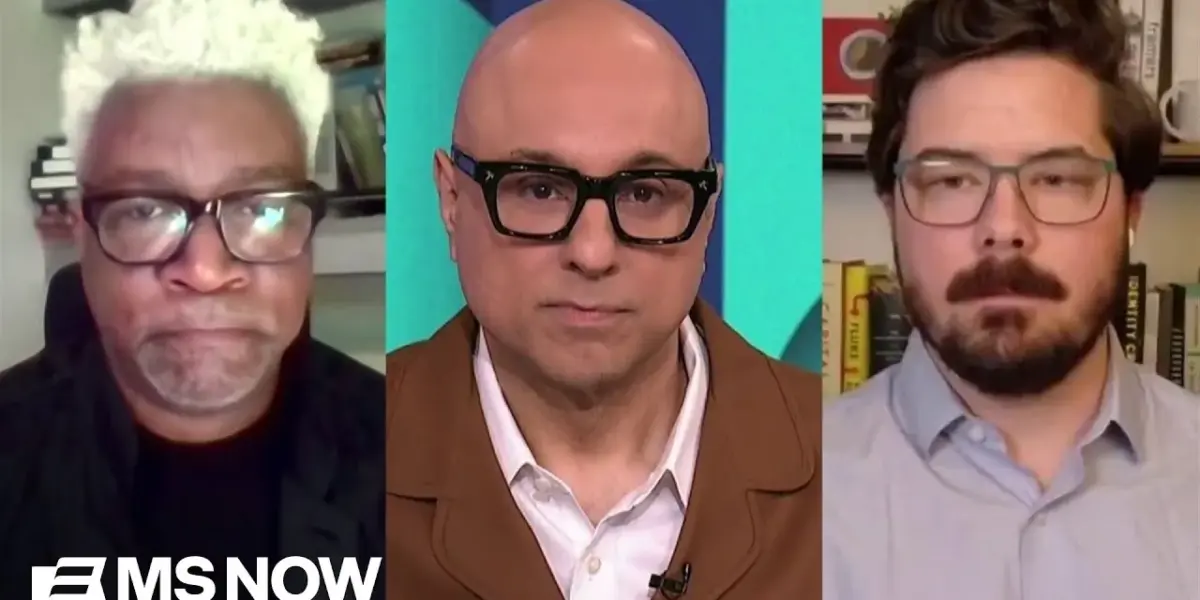
GOP Midterm Prospects Dim as Trump’s Popularity Plummets
Republican anxieties are mounting as new analyses suggest a challenging midterm election season for the party. Political analysts point to a significant drop in Donald Trump’s approval ratings and a shift in the national political environment that favors Democrats. This trend, they argue, is forcing Republicans to defend more seats and could lead to substantial losses in both the House and the Senate.
Polls Signal a Democratic Shift
While race ratings from organizations like The Cook Political Report can sometimes lag behind real-time sentiment, recent adjustments indicate a clear trend. G.
Elliott Morris, a data journalist and author, notes that these changes are a signal that the political landscape is moving in a direction that benefits Democrats. This shift suggests a stronger chance for Democrats to regain control of the Senate, a significant improvement from projections made a year ago.
Key Issues Fueling Democratic Advantage
Several factors are contributing to the Democrats’ improved position. These include general dissatisfaction with Donald Trump on issues such as the economy and immigration. Specific state-level dynamics are at play.
In North Carolina, the popularity of Governor Roy Cooper is a factor. In Georgia, Republican struggles with candidate nominations, including not having Brian Kemp run for governor, have created an opening. Texas also presents a complex situation with Republican candidates actively undermining each other.
Democratic Candidate Recruitment Pays Off
The success of Democratic candidate recruitment is also a significant advantage. Senate Majority Leader Chuck Schumer and his team have been credited with finding strong candidates in key states like North Carolina, Ohio, and even Alaska and Nebraska.
This strategic recruitment means Republicans must now consider defending a wider range of seats, stretching their financial and infrastructural resources across more battleground areas. The financial resources Republicans must divert to defend traditionally red districts, such as spending $3 million in a Georgia district, could have been used elsewhere.
Trump’s Approval Rating Collapse
A central theme highlighted by analysts is Donald Trump’s declining approval ratings. Morris points out that Trump’s job approval is in the basement, sitting at negative 20 among all adults and negative 15 among registered voters. This represents a 17-percentage-point shift among registered voters since 2024.
While polarization means many Republicans may not publicly criticize Trump, they express concerns through their reactions to his rhetoric and conduct. Many Republicans privately wish he would refrain from speaking publicly, especially on topics unrelated to pressing national issues like the economy or foreign policy.
“It’s time for them to hit the panic button because they’re going to see some serious losses.”
— Cornell Belcher, MSNC political analyst
Midterms as a Referendum on Trump
Political analysts believe the upcoming midterms are shaping up to be a referendum on Donald Trump. The most effective campaign messages for Democrats involve checking Trump’s influence. This is particularly problematic for Republicans as Trump’s numbers have collapsed across nearly every metric, including the economy and inflation.
Unlike past political cycles where a party might distance itself from a struggling leader, the strong support Trump commands from his base makes it difficult for Republicans to push him aside. If the election becomes a direct judgment on Trump, significant Republican losses are anticipated.
Deep Polarization and the Middle Voter
The current political climate is marked by deep affective polarization, where many Americans strongly dislike those from the opposing party. While around 30 percent of voters may remain loyal to Trump, regardless of his actions or policies, these are not the voters who decide elections.
The key to victory lies with the undecided or swing voters who are influenced by personality and character. These voters may have soft approval for Trump’s policies but disapprove of him as a person, making them susceptible to Democratic messaging.
Real-World Election Trends Favor Democrats
Beyond poll numbers, real-world election results since Donald Trump took office have consistently shown Democrats overperforming. In every election, Democrats have won or exceeded expectations by double digits. This trend is evident in congressional districts where Republicans lack a significant advantage.
Even attempts by Republicans to manipulate district lines by spreading voters out have potentially made more seats competitive. The number of closely contested House seats is expected to be broader this year, potentially expanding from the typical 20 to 40 or even 50 seats.
Beyond Affordability: Values and Rights
While affordability remains a key concern for voters, Democrats must also focus on values and rights. The transcript highlights that protests have erupted over issues related to immigration and people’s rights, demonstrating that these concerns are not easily measured by polls.
These issues, along with a sense of corruption and oligarchy, can resonate with voters on a personal level, impacting their electoral choices. This intersection of economic concerns and fundamental values could prove crucial in the upcoming elections.
Looking Ahead
With the midterm elections on the horizon, the focus remains on how effectively Democrats can capitalize on Donald Trump’s declining popularity and mobilize voters around key issues. Republicans face the difficult task of navigating a campaign heavily influenced by Trump, while simultaneously attempting to appeal to a broader electorate. The coming months will reveal whether the current trends translate into significant electoral gains for the Democratic Party.
Source: ‘It's time for them to hit the panic button’: GOP midterm anxieties grow (YouTube)

Related Articles


Trump’s Strait of Hormuz Claims Crumble Amidst New Conflict
Donald Trump's confident declarations about the Strait of Hormuz being open have been sharply contradicted by Iran's actions. Following his pronouncements, Iran closed the strait and began firing on tankers, turning a claimed victory into a new crisis. This rapid reversal raises concerns about market manipulation and who truly benefits from ongoing conflicts.


Trump Kicks Press Out Amid Iran Strait Crisis
President Trump abruptly ended a press conference by removing reporters amid escalating tensions with Iran. Iran announced it was fully closing the Strait of Hormuz, citing US "bad faith" negotiations and "piracy." The events raise concerns about global stability and future diplomatic efforts.


GOP Faces Crisis: Trump’s Failures Threaten Election Wins
Republican strategists are increasingly worried that the party has accomplished little for the public. They fear Donald Trump's ongoing mistakes are costing them winnable elections. Independent voters, crucial in close races, are showing unease, making it hard for Republicans to craft a winning message.