GOP Senators Show Weariness With Trump’s Iran Stance
Republican lawmakers are showing signs of frustration with President Trump's prolonged engagement in Iran. Diplomatic talks continue, with a potential ceasefire extension being considered, while the U.S. bolsters its military presence. Meanwhile, domestic economic pressures and battles with the Federal Reserve chair add to the political complexities.

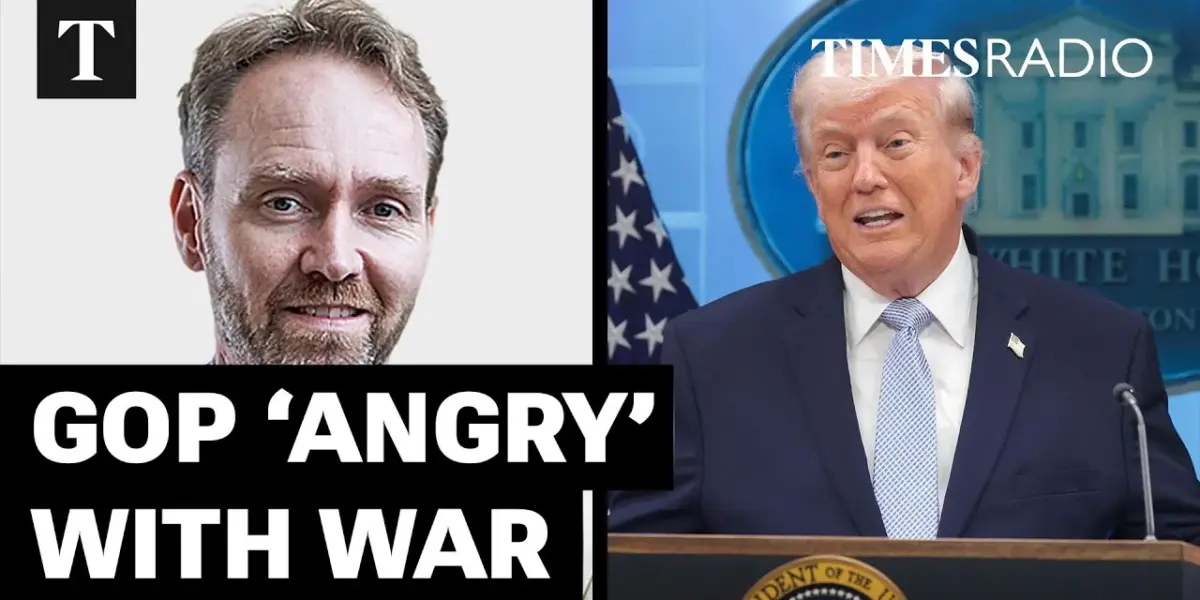
Republicans Signal Frustration Over Prolonged Iran Conflict
Signs are emerging that Republican lawmakers in Congress are growing tired of President Donald Trump’s ongoing military actions and diplomatic efforts concerning Iran. The prolonged engagement, now stretching beyond six weeks, appears to be testing the patience of some within the President’s own party.
Ceasefire Extension Talks Continue Amidst Tensions
Despite the growing weariness, diplomatic channels remain active. Reports suggest the U.S. and Iran are considering a two-week extension of their current ceasefire. White House Press Secretary Caroline Levit confirmed ongoing and productive discussions, stating, “We’ve remained very much engaged in these talks.” While in-person discussions are being explored, nothing is official until announced by the White House.
These negotiations follow a hardening of Iranian rhetoric. The regime has warned it might close the Strait of Hormuz if the U.S. continues to prevent ships from leaving Iranian ports. Pakistani mediators have arrived in Iran to facilitate discussions, signaling continued efforts toward de-escalation.
Military Presence Bolstered in Strategic Waterway
In a show of force, the U.S. is maintaining and increasing its military presence in the Strait of Hormuz. A new aircraft carrier group has been deployed, bringing approximately 6,000 troops. An additional 4,000 Marines are en route, expected to arrive within ten days. This reinforcement aims to impress upon Iran that the U.S. is not backing down militarily and intends to maintain pressure for a diplomatic deal, while keeping military options open as a contingency.
The U.S. Navy has issued a formal blockade warning to all vessels heading to or from Iranian ports. The warning states that ships will be boarded for interdiction and seizure if they do not comply, with force being a possibility. The White House clarified that this blockade specifically targets vessels carrying Iranian oil from Iranian ports, distinguishing them from legitimate traffic from neighboring countries like Saudi Arabia and Kuwait.
Congress Clashes Over War Powers
Meanwhile, in Washington, efforts to limit the President’s war-making authority have repeatedly stalled. For the fourth time, a resolution aimed at restricting President Trump’s ability to wage war in Iran has failed in the U.S. Senate. The U.S. Constitution grants Congress the power to declare war, a responsibility outlined in the War Powers Act, which allows the President up to 60 days of military action before requiring congressional approval.
Democrats have vowed to reintroduce the resolution weekly as long as the conflict persists. Currently, the U.S. is around day 45 or 46 of the engagement. The recent vote saw one Republican siding with Democrats and one Democrat with Republicans, failing to achieve a majority. However, several Republican senators, including Susan Collins of Maine, have indicated they would support such a resolution if the engagement exceeds 60 days. A notable shift came from Senator Mitt Romney of Utah, who stated he would not support further funding without explicit congressional authorization after the 60-day mark.
Economic Pressures Fuel Republican Discontent
Beyond foreign policy, rising domestic concerns are adding to Republican frustration. The price of gasoline has surged past $4 per gallon nationwide, with some areas experiencing prices near $6. Diesel prices are also over $5 per gallon, impacting truckers and logistics industries. This economic pressure is overshadowing other issues, including Tax Day, and is reportedly causing significant grumbling among Trump’s base.
President Trump’s explanation to his supporters – that the conflict was necessary to prevent Iran from obtaining a nuclear weapon – may not be fully assuaging their economic anxieties. The rising cost of living is creating a significant challenge for the administration, especially as the November midterm elections approach.
Federal Reserve Chair Faces Trump’s Ire
Domestically, President Trump is also engaged in a battle with Federal Reserve Chair Jerome Powell. Trump has threatened to remove Powell if he does not resign at the end of his term in May, citing disagreements over interest rate policy. Trump favors lower interest rates, while Powell has been reluctant to cut them.
This conflict is playing out against a backdrop of a dispute with another Fed board member, Lisa Cook, whom Trump has attempted to remove over alleged mortgage fraud. This case could serve as a test for Trump’s ability to dismiss officials he disagrees with, potentially setting a precedent for his actions regarding Powell. The President’s own experience with building renovations is being used to frame his criticism of Powell’s alleged overspending on the Federal Reserve building.
JD Vance Faces Political Setbacks
Senator JD Vance has also experienced a difficult period recently. His attempts at negotiation in Islamabad reportedly failed. A trip to Hungary coincided with a loss for Viktor Orbán’s rival. Vance also faced criticism for defending President Trump’s controversial remarks about the Pope.
Adding to his challenges, Vance was heckled at a Turning Point USA event in Georgia. While a pro-Palestinian heckler voiced dissent, the more significant issue for Vance appeared to be the low attendance at the event. The large arena was largely empty, a sign that has been interpreted as a negative indicator for Republicans in a crucial swing state like Georgia.
Looking Ahead
As the 60-day mark for congressional authorization approaches, the political pressure on President Trump is likely to intensify. Any significant setback in Congress could be deeply embarrassing, especially with the midterm elections on the horizon. The coming weeks will be crucial in determining the future of U.S.-Iran relations, the President’s domestic economic policies, and the internal dynamics within the Republican party.
Source: Republicans Are Showing Signs Of Being ‘Fed Up’ With Trump’s War | David Charter (YouTube)

Related Articles
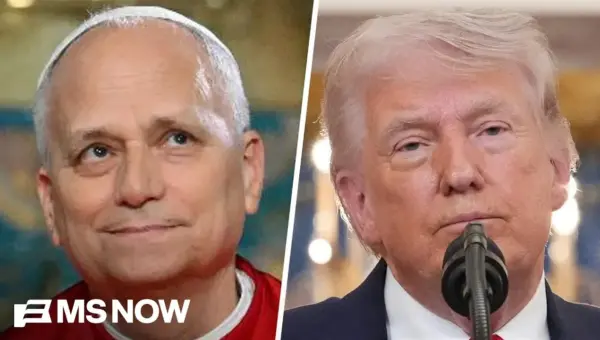
Trump’s Jesus Meme Sparks Outrage Among Religious Supporters
Donald Trump's sharing of a meme depicting him as Jesus Christ has ignited backlash from religious supporters, who also cite his feud with Pope Francis. This has led some to feel "duped," questioning his motives and fitness for leadership.

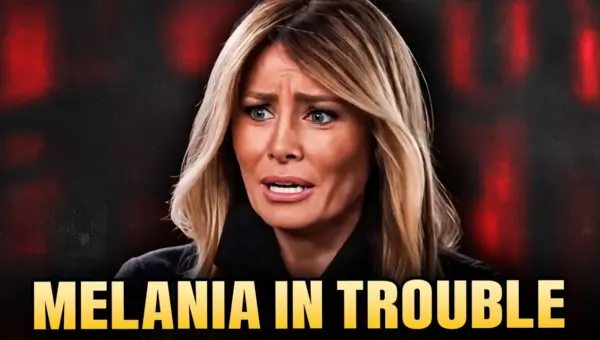
FBI Docs Contradict Melania’s Epstein Introduction Claims
Newly surfaced FBI documents challenge Melania Trump's recent claims about not being introduced to Donald Trump by Jeffrey Epstein. Witness testimony suggests Epstein facilitated the introduction, contradicting Melania's public statements and raising questions about her associations and those of figures like Paulo Zampoli.
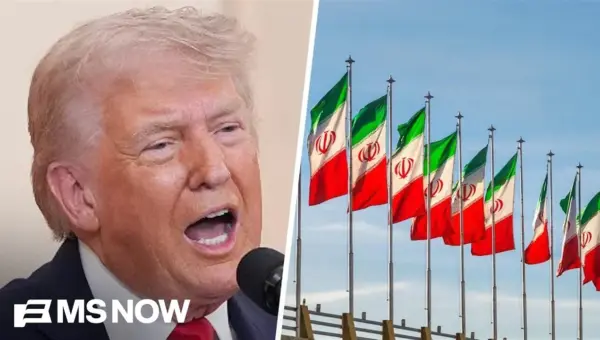
Iran War Disliked, But Public Outrage Muted: Analysts Weigh In
Despite widespread disapproval of the Iran war, public protests remain muted in the US. Analysts cite fear of reprisal, the prolonged nature of anti-war movements, and America's energy independence as key factors. The conflict's economic impact and the lack of clear objectives continue to fuel public skepticism, though widespread suffering is not yet felt domestically.