Iran War Disliked, But Public Outrage Muted: Analysts Weigh In
Despite widespread disapproval of the Iran war, public protests remain muted in the US. Analysts cite fear of reprisal, the prolonged nature of anti-war movements, and America's energy independence as key factors. The conflict's economic impact and the lack of clear objectives continue to fuel public skepticism, though widespread suffering is not yet felt domestically.

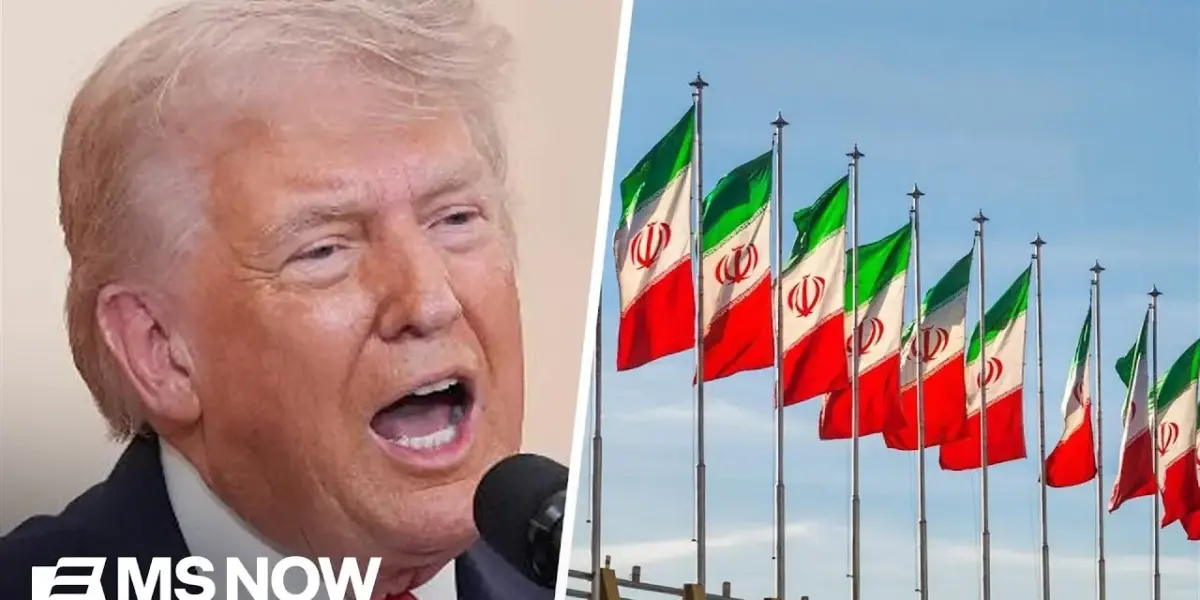
US Public Largely Opposed to Iran War Amidst Muted Outrage
Despite a majority of Americans disapproving of the ongoing conflict with Iran, public outrage remains surprisingly quiet. This lack of widespread protest, particularly among young people, has baffled Democratic officials and analysts alike. The situation stands in stark contrast to the anti-war protests seen during the Biden administration, leading to questions about the reasons behind the subdued public response.
Shifting Protest Landscape and Fear of Reprisal
One key factor cited for the muted response is the changing political climate. Experts suggest that former President Donald Trump’s clear stance against protesters, including threats to withhold federal funding from universities that do not control demonstrations, has raised the stakes for student activism. Universities have also begun adjusting their protest rules, creating structural barriers that make large-scale, visible protests more difficult and risky for students.
Democratic officials express frustration, noting that while activists often push for action when Democrats are in power, the same level of vocal opposition is not directed at Republicans. This is partly attributed to a belief among activists that they have more influence with Democratic leaders than with their Republican counterparts. However, there’s also a hopeful sign for Democrats: young people are still participating in voting, even in special elections, suggesting that engagement is shifting from the streets to the ballot box.
Sustaining Outrage Over a Decade
The prolonged nature of the anti-Trump movement, now over a decade old, presents another challenge. Analysts point out that maintaining sustained outrage and energy for such an extended period is difficult. After Trump’s re-election, there was an internal acknowledgment within the Democratic Party that constant, large-scale protests, like those seen daily during his first term, are not sustainable. This has led to a more strategic approach, asking people to engage and show up only for specific, impactful moments.
This strategic approach, while perhaps necessary for long-term engagement, can also contribute to a sense of apathy. The true measure of public sentiment, many believe, will be seen in upcoming midterm elections, where voter turnout and the demographic of those turning out will offer a clearer picture of the electorate’s priorities and frustrations.
Trump’s Messaging on the Iran Conflict
During the conflict, former President Trump has actively worked to shape public perception. He has repeatedly stated that the war is nearing completion and that the objectives are being met. His messaging often emphasizes the strength of the American military and the ease with which these goals are being achieved. He has described the situation as being “close to over” and has claimed success in pressuring Iran.
“We’re way ahead of schedule. They’re defeated. They can’t make a comeback. Everyone is talking about it and tonight I’m pleased to say that these core strategic objectives are nearing completion. It was easy because we have the greatest military in the world.”
Donald Trump (as quoted in transcript)
However, critics question the reality behind these claims, suggesting that Trump’s rhetoric is aimed at convincing a public that remains unconvinced. His public statements, often made via social media, include strong language and threats. Yet, these actions do not appear to be achieving the desired outcomes with Iran, leading to frustration for the president.
Economic Impact and Public Frustration
A significant factor influencing public opinion on the war is its impact on the U.S. economy, particularly gasoline prices. Analysts note that Iranians understand that the war is unpopular in the United States, partly because it drives up energy costs. This economic pressure is seen as a key leverage point for Iran in negotiations, encouraging them to hold firm and prolong the process.
The lack of a clear end game or a perceived American advantage in the conflict is a major concern for the public. Promises of lower gas prices have not materialized, further fueling public skepticism. This situation draws parallels to the public’s reaction to inflation during the Biden administration, where perceived economic mismanagement led to significant voter backlash.
Diplomatic Efforts and the Role of Force
While diplomatic efforts are reportedly underway, the history of the Trump administration suggests a willingness to use force. The deployment of additional troops or assets has often been followed by military action, as seen in past instances with Iran and Venezuela. This creates a complex dynamic where Iran must consider the serious threat of military escalation.
Negotiations are ongoing, but the fundamental questions remain: Was this war necessary? Could diplomacy have achieved the same results without the global energy disruptions and the loss of life? The high cost of the conflict, both in terms of human lives and economic stability, raises doubts about its overall benefit.
US Energy Independence Shields Public from Suffering
A crucial reason why widespread protests are not occurring in the United States, according to some analyses, is that the American public is not experiencing the severe hardships seen elsewhere. As the world’s largest producer of natural gas and crude oil, the U.S. is an energy superpower. This insulates Americans from the worst effects of global energy shocks.
In contrast, countries in Asia that rely heavily on oil imports are facing significant pain. Nations like Pakistan have had to implement electricity cuts, and countries such as Malaysia, the Philippines, and Laos have reduced school days. This immense suffering in other parts of the world, had it occurred in the U.S., would likely have triggered widespread protests. The U.S.’s fortunate position in energy markets is helping President Trump weather the current political storm.
Looking Ahead: Energy Markets and Public Opinion
The situation remains fluid, and the current relative calm in the U.S. could change. If global energy markets stop responding to optimistic pronouncements and the situation deteriorates, public sentiment could shift dramatically. The coming weeks will be critical in determining whether the current stability holds or if the conflict’s true costs will force a more vocal public reaction.
Source: Majority disapprove of Iran war, yet public outrage seems muted (YouTube)

Related Articles
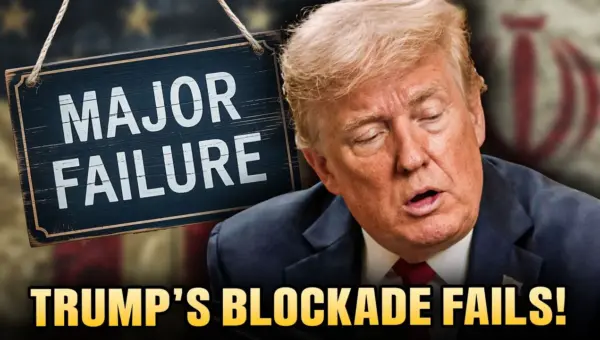
Trump’s Blockade Fails, Allies Shun Mission: A Pattern?
A reported failure of Donald Trump's blockade of the Strait of Hormuz, with ships passing through unimpeded, raises questions about policy effectiveness. This incident, coupled with allies' reluctance to join the mission, suggests a pattern of unintended consequences and strained international relations.
Trump’s Wild Claims Fuel GOP Chaos and Public Doubt
Donald Trump's recent erratic statements and Republican figures' defense strategies are causing political turmoil. Concerns over economic misrepresentation and the handling of the Jeffrey Epstein case are mounting, leading to a public demanding more accountability and truth.


Trump’s Allies Stumble, Exposing MAGA Movement’s Weaknesses
Recent events reveal cracks in the MAGA movement, from JD Vance's failed support for Viktor Orban in Hungary to disappointing Turn Point USA rallies. Trump's attacks on Pope Leo also alienate allies and expose strategic missteps. These challenges suggest a weakening of the movement's influence.