Dems Weigh Embracing MAGA Voters: Omar Says Yes, Data Mixed
Democrats are debating whether to welcome voters who previously supported the MAGA movement. Strategists weigh the potential benefits of appealing to these voters against the risks of association with polarizing figures. Data shows shifts in the electorate, with some voters crossing party lines.

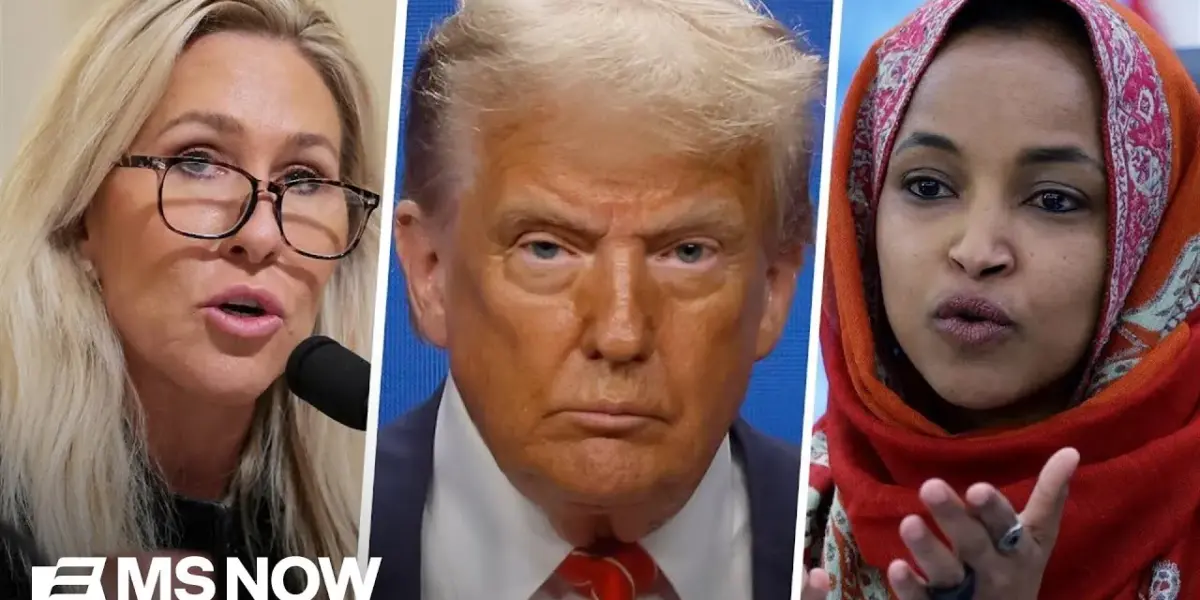
Democrats Divided on Welcoming Former MAGA Supporters
The Democratic Party is facing a complex question: should it actively seek to win over voters who previously supported the MAGA movement, including those aligned with figures like Marjorie Taylor Greene? This debate comes as some Republicans express frustration with Donald Trump’s dominance in the party and a desire for broader appeal, while strategists analyze whether embracing controversial figures can yield electoral benefits.
The Case for Outreach: Finding Common Ground
Chuck Rocha, a senior advisor for Senate campaigns and co-host of the Latino Vote podcast, argues that Democrats should look for common ground with these voters. He points to his own experience joining the Democratic Party over 30 years ago as a factory worker who opposed trade policies leading to factory closures and disliked the wars. Rocha believes these sentiments, which sound similar to today’s Trump supporters, show that there’s a place for such voters within the Democratic Party. He suggests focusing on the 80% of issues where commonality exists, rather than the 20% of differences. This approach involves looking for shared values and holding both parties accountable, a strategy he discusses on his podcast with a Republican counterpart.
Rocha highlights a significant shift in the electorate, citing the Texas primaries where 30% of Democratic primary voters had no prior Democratic voting history. Of these, 12% had previously voted in Republican primaries. This data suggests a changing voter base that doesn’t fit traditional molds. He describes himself as a Mexican, redneck, Christian who enjoys fishing and hunting – characteristics often associated with Republicans, yet he makes his living running Democratic campaigns.
Skepticism on High-Profile Endorsements
Burgess Everett, Bureau Chief for Politico, expresses skepticism about the effectiveness of high-profile endorsements from figures like Marjorie Taylor Greene for Democratic candidates. He contrasts this with the case of Liz Cheney, who, while not a declared Democrat, has gained attention for her opposition to Trump. Everett questions whether embracing someone like Cheney, or by extension Greene, truly helps Democrats, especially in primaries. He notes that Liz Cheney is not running as a Democrat, and Marjorie Taylor Greene is unlikely to do so.
Everett uses the examples of Jeff Duncan, a former Lieutenant Governor running as a Democrat in Georgia, and George Conway, a former Republican lawyer running for Congress in New York, to illustrate the ongoing experiment of incorporating former Republicans into the Democratic fold. He believes it’s too early to determine the impact of these candidacies. When considering if Marjorie Taylor Greene campaigning for a Democrat like James Talarico in Texas would be effective, Everett is doubtful. He argues that Greene’s high profile and attention-seeking behavior since leaving Congress might alienate some potential voters and that many party leaders are annoyed with her. He questions if she could genuinely bring significant new support, suggesting that while a larger tent is desirable, he’s skeptical Greene could deliver a substantial boost to a Democratic campaign.
Republican Frustration and Midterm Focus
Everett also touches upon the mood within the Republican Party, noting a sense of exasperation, particularly with Donald Trump dominating the party’s narrative. Republicans are trying to focus on issues like taxes, especially during tax week, but find their message overshadowed by Trump’s pronouncements. Many Republicans, he observes, are focused on surviving the midterm elections and maintaining their control of the Senate. There’s a perceived desire among some Republicans for more empathy towards the struggles of working people and the economy, but the immediate focus remains on electoral strategy for the upcoming midterms.
The Path Forward: Data and Strategy
The discussion highlights a key strategic challenge for Democrats: how to appeal to a broader range of voters without alienating their base or compromising their values. While some, like Rocha, see potential in engaging with voters who may have previously supported MAGA, others, like Everett, are cautious about the efficacy of associating with polarizing figures. The success of this outreach will likely depend on nuanced strategies that identify common ground and present a compelling alternative, rather than relying on controversial endorsements. As Democratic primaries unfold and the midterms approach, the party’s approach to these disaffected Republican voters will be closely watched.
Source: Should Dems embrace former MAGA supporters? Rep. Omar says yes (YouTube)

Related Articles


Trump’s Allies Stumble, Exposing MAGA Movement’s Weaknesses
Recent events reveal cracks in the MAGA movement, from JD Vance's failed support for Viktor Orban in Hungary to disappointing Turn Point USA rallies. Trump's attacks on Pope Leo also alienate allies and expose strategic missteps. These challenges suggest a weakening of the movement's influence.


US Military Strength: Tactical Wins, Strategic Gaps?
The U.S. military demonstrates incredible tactical skill, capable of executing complex missions. However, this prowess is often undermined by unclear political goals and shifting strategies set by civilian leadership. Experts argue that holding elected officials accountable for these decisions is crucial, as the military cannot compensate for flawed governance.


GOP Faces Voter Discontent Over War, Diminished Support
Republican lawmakers are noticing growing voter discontent, particularly among younger demographics, regarding the ongoing war. This sentiment, coupled with economic pressures, could lead to diminished support and turnout in the upcoming midterm elections. The party faces significant challenges in messaging and addressing voter concerns.