Trump Tax Cuts Boost Refunds, Fueling Campaign Narrative
President Trump's administration is highlighting a surge in tax refunds, claiming over 53 million Americans benefited from the "working families tax cuts." Officials emphasized specific benefits like tax-free tips and overtime, contrasting these with Democratic proposals they say would raise taxes. The campaign uses Tax Day to promote the economic advantages of its policies.

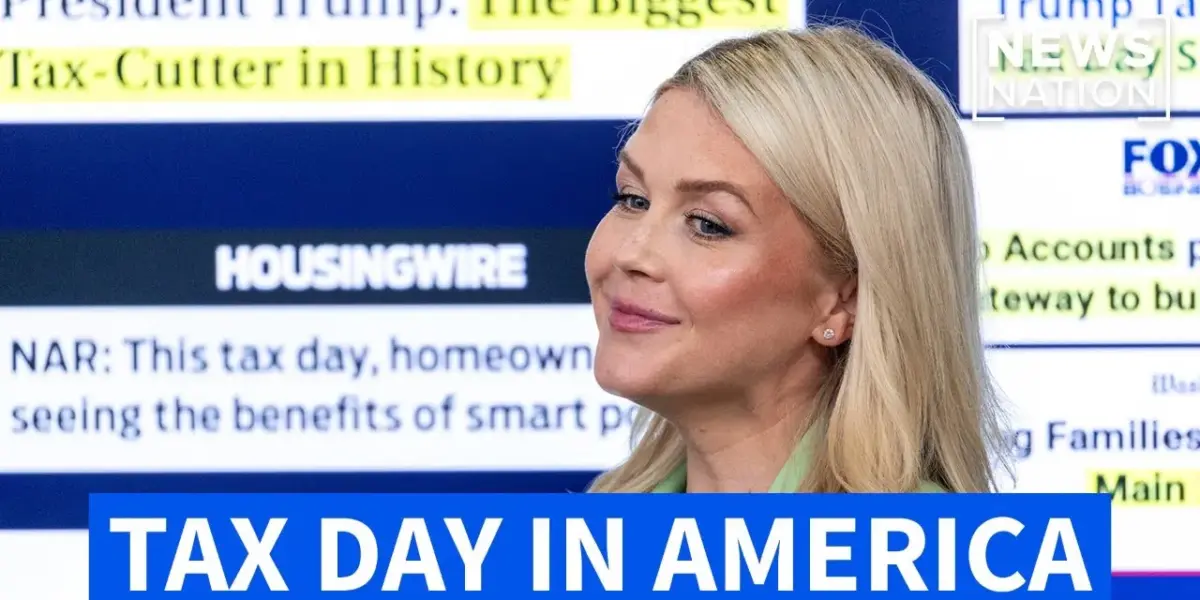
Trump Tax Cuts Boost Refunds, Fueling Campaign Narrative
President Trump’s administration is highlighting a surge in tax refunds as evidence that his 2017 tax cuts are benefiting American families. The campaign is using Tax Day to promote the idea that these cuts have put significant money back into people’s pockets, contrasting this with Democratic proposals that they claim would lead to tax hikes.
Key Tax Cut Benefits Highlighted
During a press event on Tax Day, Treasury Secretary Scott Bessent and Small Business Administrator Kelly Loeffler joined Karoline Leavitt to discuss the impact of the “working families tax cuts.” They stated that over 53 million taxpayers claimed at least one of the new tax cuts. The average refund this filing season is reported to be over $3,400, with the administration claiming these are the largest and most numerous refunds in history.
Specific benefits emphasized include:
- No tax on tips.
- No tax on overtime pay.
- Deductions for seniors.
- Deductibility of interest on auto loans for American-made cars.
The “no tax on overtime” provision was particularly highlighted. Officials encouraged taxpayers to adjust their withholding to see an immediate increase in their take-home pay. They also mentioned the “Trump accounts” initiative, designed to encourage savings and financial literacy, with 5 million families filing for these accounts and 1.2 million eligible for a seed bonus.
Campaign Contrasts with Democratic Policies
The administration’s message frames these tax cuts as a clear win for working and middle-class Americans. They pointed out that every Democrat in Congress voted against the legislation. Leavitt stated that if Democrats had succeeded, Americans would have faced a nearly $4 trillion tax hike, with the average taxpayer seeing a 22% increase in their tax rates. This is presented as evidence that Democrats favor higher government spending and taxation, while President Trump and Republicans believe individuals know best how to spend their own money.
Economic Data and Future Outlook
While the figures presented focus on refunds and claimed deductions, the broader economic impact of the 2017 tax cuts remains a subject of debate among economists. Supporters argue that the cuts stimulate business investment and job growth, leading to higher wages and more disposable income. Critics contend that the cuts primarily benefited corporations and wealthy individuals, increased the national debt, and did not significantly boost economic growth or wages for the majority of workers.
The campaign’s focus on Tax Day aims to solidify a narrative that the tax cuts are working and are essential for continued economic prosperity. President Trump is scheduled to hold events in Las Vegas and Phoenix to further promote these policies and contrast them with his opponents’ economic platforms.
Why This Reshapes the World Order
The emphasis on domestic tax policy and its perceived benefits to the working class is a core element of the Trump campaign’s economic platform. By framing these cuts as a direct financial gain for millions of Americans, the administration seeks to mobilize voters by appealing to their personal economic interests. This strategy underscores a broader trend in global politics where national economic policies are increasingly used as a direct tool for electoral gain and to define a country’s economic identity on the world stage. The success or failure of these tax policies, and how effectively they are communicated to the public, can influence trade relations, investment flows, and a nation’s overall competitive standing.
Historical Context
The Tax Cuts and Jobs Act of 2017 significantly lowered corporate and individual income tax rates. This followed a long history of tax policy debates in the United States, with different administrations advocating for tax reductions to stimulate the economy or for tax increases to fund social programs and reduce deficits. The current focus on the “working families” aspect of the cuts attempts to broaden their appeal beyond traditional Republican base, drawing parallels to past populist economic messaging.
Economic Leverage and Trade
While this specific event focuses on domestic tax refunds, the underlying economic philosophy influences broader U.S. economic policy. Policies aimed at lowering the tax burden on businesses and individuals are often linked to arguments about making American industries more competitive globally. This can impact trade negotiations, foreign investment decisions, and the U.S. government’s approach to international economic agreements. The administration’s focus on “American-made” products, mentioned in relation to auto loan deductions, also signals a preference for domestic production, potentially affecting global supply chains and trade balances.
Future Scenarios
The continued success of this narrative depends on sustained economic performance and the ability of the campaign to effectively communicate these benefits. If the economy continues to grow and inflation remains manageable, the tax cuts may be seen as a positive factor. However, if economic challenges arise, such as increased inflation or a slowdown in growth, the impact of the tax cuts could be re-evaluated, potentially leading to calls for different economic strategies. The political debate over these tax cuts is likely to remain a central theme in future economic policy discussions.
Source: Karoline Leavitt says economic data 'proves' Trump’s tax cuts are working (YouTube)

Related Articles

Trump’s Wild Claims Fuel GOP Chaos and Public Doubt
Donald Trump's recent erratic statements and Republican figures' defense strategies are causing political turmoil. Concerns over economic misrepresentation and the handling of the Jeffrey Epstein case are mounting, leading to a public demanding more accountability and truth.
Trump Tax Cuts Failed Working Americans, Ex-Obama Aide Claims
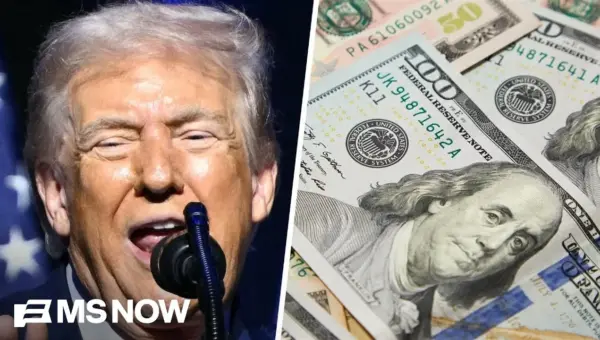
Former Obama official Jim Messina argues that Trump's tax cuts primarily benefited the wealthy, failing to provide relief to average Americans struggling with rising gas and grocery prices. He suggests that while tax-free tips offer some help to specific workers, broader economic issues are more influential for most voters.

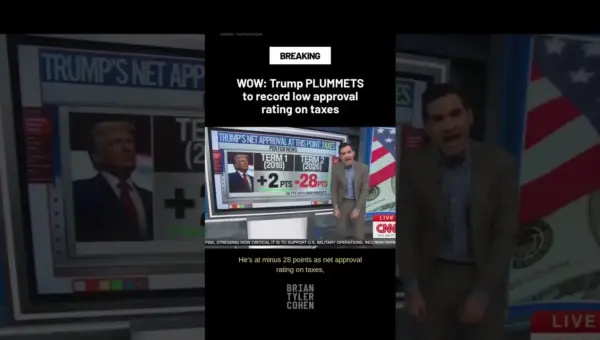
Trump’s Tax Plan Backfires: Approval Rating Plummets
Donald Trump's approval rating on taxes has fallen 30 points since his first term, reaching a new low of minus 28. This sharp decline, particularly among independent voters who are 58 points underwater, suggests the public does not credit him for tax cuts.